Medication Side Effect Checker
This tool helps you determine if your symptoms might be dangerous medication side effects. Based on your selection, it provides guidance on next steps. Always consult your healthcare provider for medical advice.
Select symptoms and click 'Check My Symptoms' to see guidance.
When you take a new medication, you expect it to help-not hurt. But sometimes, the very thing meant to heal can trigger a dangerous reaction. The truth is, most side effects are mild: a dry mouth, a little drowsiness, an upset stomach. But a small percentage of people experience reactions that can turn deadly within hours. Knowing the difference between ordinary discomfort and a life-threatening emergency could save your life-or someone else’s.
What Makes a Side Effect Dangerous?
Not all side effects are created equal. The FDA defines a serious adverse drug reaction as one that causes death, hospitalization, disability, permanent damage, or birth defects. These aren’t rare outliers. In 2022 alone, over 1.3 million people in the U.S. ended up in the emergency room because of medication side effects, and nearly 128,000 died. That’s more than traffic accidents in a single year. The real danger isn’t always obvious. Some reactions show up fast. Others creep in slowly, mimicking the flu or aging. The key is spotting the patterns that don’t belong. If a symptom appeared right after you started a new pill, patch, or injection, it’s not just a coincidence. It’s a signal.Immediate Red Flags: Call 911 Now
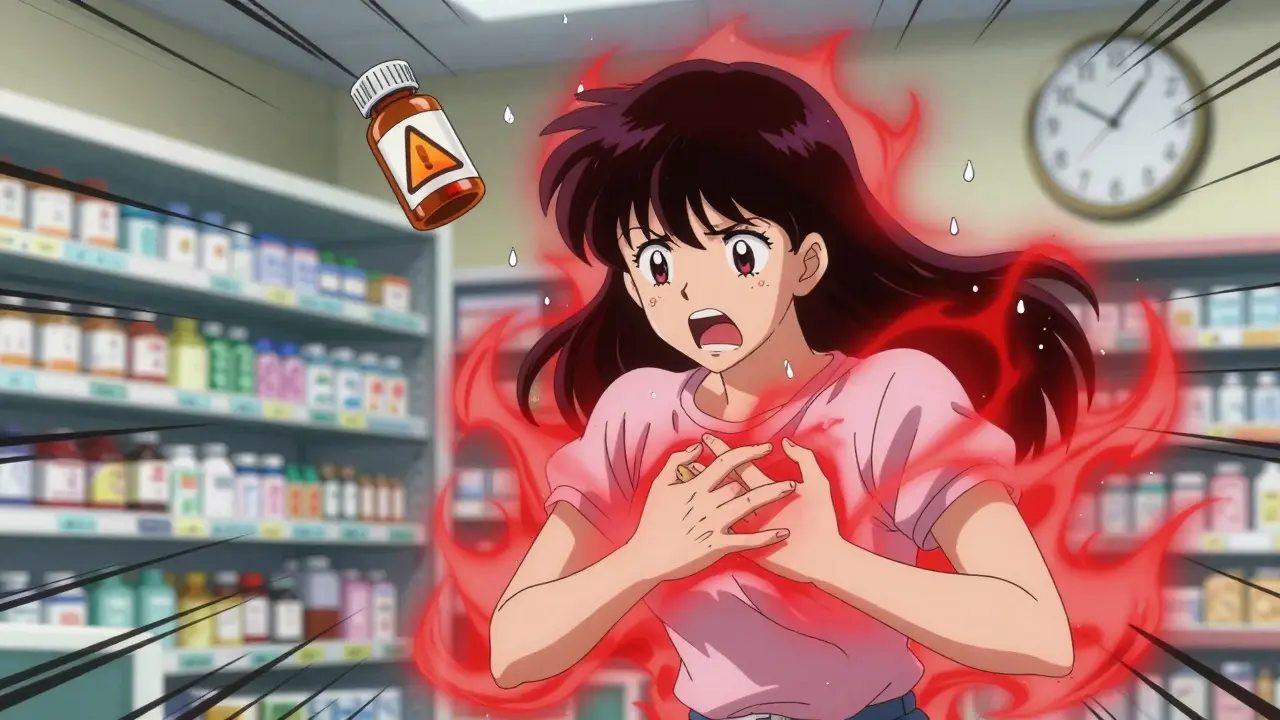
Some reactions demand instant action. If you or someone else experiences any of these after taking medication, don’t wait. Don’t call your doctor. Don’t check online. Call 911.- Difficulty breathing or tightness in the throat-This isn’t just a stuffy nose. If you feel like your airway is closing, it’s likely anaphylaxis, a severe allergic reaction. It can happen within minutes of taking the drug.
- Swelling of the face, lips, tongue, or throat-This often comes with hives or a red, itchy rash. Swelling in the throat can block breathing before you even realize how bad it is.
- Chest pain or irregular heartbeat-A heart rate over 100 beats per minute, especially if you’re not exercising, could mean your heart is struggling. If you feel like your heart is fluttering, pounding, or skipping, get help immediately. Untreated, this can lead to cardiac arrest.
- Seizures or loss of consciousness-Even if you’ve never had a seizure before, certain medications can trigger them. If you pass out or start convulsing after taking a pill, it’s not a coincidence.
- Weak, fast pulse and low blood pressure-If you feel dizzy, lightheaded, or like you’re about to faint, and your pulse is over 120, your body may be going into shock. Systolic blood pressure below 90 is a red flag.
These symptoms often happen within an hour of taking the drug. But don’t assume you’re safe if it’s been longer. Some reactions, like DRESS syndrome or serum sickness, can take days to show up. Still, if any of the above happen, treat them like emergencies-because they are.
Warning Signs That Can Wait Hours, But Not Days
Not every dangerous reaction screams for help right away. But waiting too long can still be deadly. If you notice any of these, contact your doctor within 24 hours-or go to urgent care if you can’t reach them.- Unusual bleeding or bruising-If you’re getting black-and-blue marks from light bumps, or your gums bleed when you brush, or you’re seeing blood in your urine or stool, your blood may not be clotting properly. Medications like blood thinners, NSAIDs, or even some antibiotics can cause this.
- Severe, persistent vomiting or diarrhea-A little nausea is common. But if you can’t keep anything down for more than 24 hours, or your stool is bloody or tar-like, it could be internal bleeding or pancreatitis. Drugs like semaglutide (Ozempic, Wegovy) and tirzepatide (Mounjaro) have been linked to this.
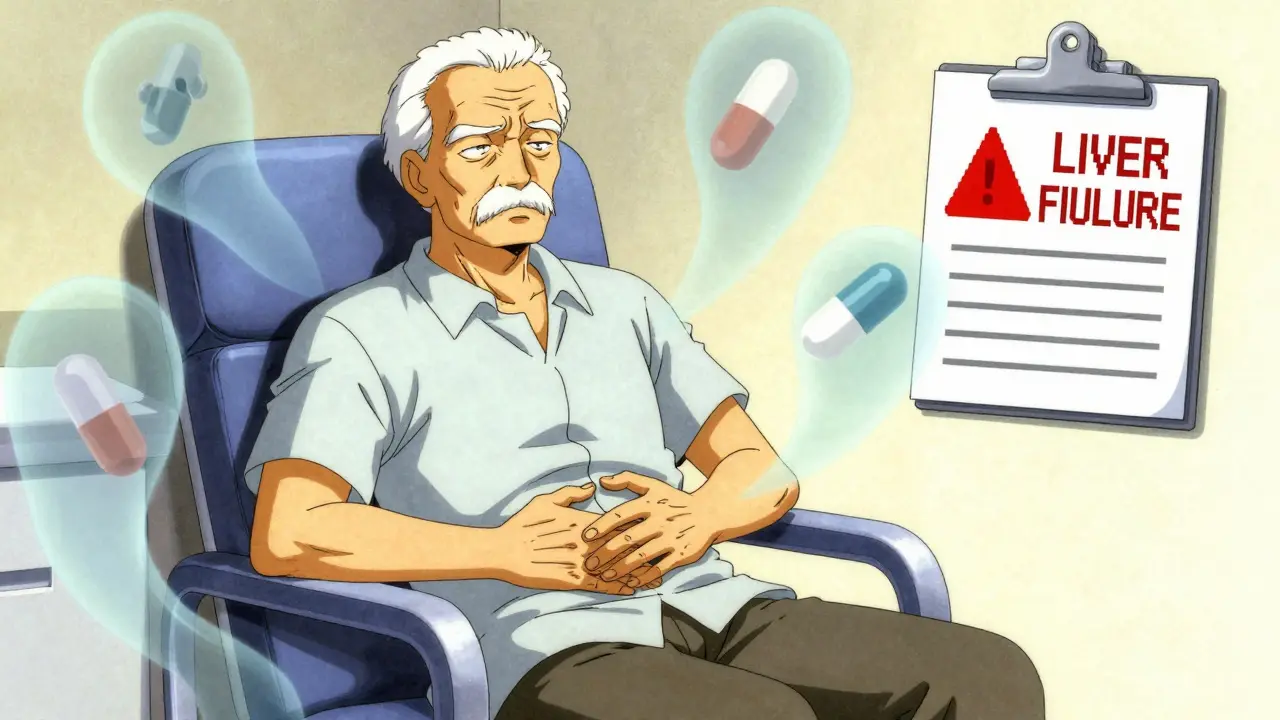
- Yellowing of the skin or eyes-Jaundice isn’t just a sign of being sick. It can mean your liver is failing. When paired with severe stomach pain, it’s a sign of organ damage from drugs like methotrexate or statins.
- Extreme fatigue, confusion, or trouble waking up-If you’re sleeping more than usual, or you’re hard to rouse, it could mean your central nervous system is being depressed. This is especially risky with opioids, benzodiazepines, or sleep aids.
- Decreased urine output or swelling in the legs and abdomen-Your kidneys are filtering your blood. If you’re peeing less than normal, or your ankles are puffy and your belly feels tight, your kidneys may be failing. This is common with NSAIDs, certain antibiotics, and diabetes meds.
These symptoms can be subtle. You might think, “I’m just tired,” or “I ate something bad.” But if they started after you began a new medication, they’re likely connected.
Hidden Dangers: Reactions That Look Like Something Else
Some dangerous side effects masquerade as other illnesses. That’s why they’re so easy to miss.DRESS syndrome (Drug Rash with Eosinophilia and Systemic Symptoms) looks like a bad virus. You get a rash, fever, swollen lymph nodes, and liver inflammation. It often starts 2-6 weeks after starting the drug. Common culprits include anticonvulsants, allopurinol, and some antibiotics. Left untreated, it can cause permanent organ damage.
Serum sickness feels like the flu: fever, joint pain, rash, nausea. It’s your immune system overreacting to the drug. It can happen days or weeks after exposure. Medications like penicillin, cefaclor, and even some vaccines can trigger it.
Drug-induced anemia means your body isn’t making enough red blood cells. You’ll feel weak, short of breath, and your heart might race even when you’re sitting still. Iron deficiency isn’t the only cause-some antibiotics, chemotherapy drugs, and even proton pump inhibitors can trigger it.
These conditions don’t always show up on a quick checkup. But if you’ve been feeling off for weeks after starting a new med, ask your doctor to test for these.
Who’s at Highest Risk?
Not everyone is equally vulnerable. Certain groups are far more likely to have dangerous reactions.- Adults 65 and older-Your body processes drugs slower. You’re 2.7 times more likely to have a bad reaction than someone under 50. And if you’re taking five or more medications (polypharmacy), your risk triples.
- People with kidney or liver disease-Your liver breaks down drugs. Your kidneys flush them out. If either is damaged, the drugs build up in your system. A normal dose can become toxic.
- Those taking multiple prescriptions-Drug interactions are the #1 cause of preventable hospitalizations. One pill might be fine. Two might be okay. But add a third, fourth, or fifth-and especially if you’re also taking over-the-counter meds or supplements-and the risk skyrockets.
- People with known allergies-If you’ve had a reaction to one drug, you’re more likely to react to others in the same class. Penicillin allergies, for example, can mean avoiding similar antibiotics.
And here’s something many don’t realize: look-alike, sound-alike drugs cause 12% of dangerous errors. Insulin and heparin are the most commonly confused. One wrong dose can kill.
What to Do Right Now
You don’t need to live in fear of your meds. But you do need to be smart.- Keep a medication list-Write down every pill, patch, vitamin, and supplement you take. Include the dose and why you’re taking it. Update it every time your doctor changes something.
- Use the Brown Bag Method-Every few months, bring all your meds to your doctor or pharmacist. They’ll spot interactions you didn’t know existed.
- Know your triggers-If you’ve had a reaction before, tell every provider you see. Don’t assume they’ll check your history.
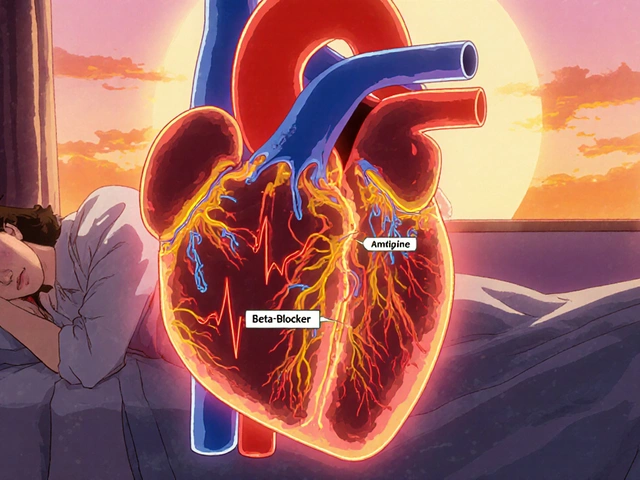
- Don’t stop cold turkey-Stopping some meds suddenly-like beta-blockers, antidepressants, or steroids-can cause dangerous withdrawal. Always talk to your doctor first.
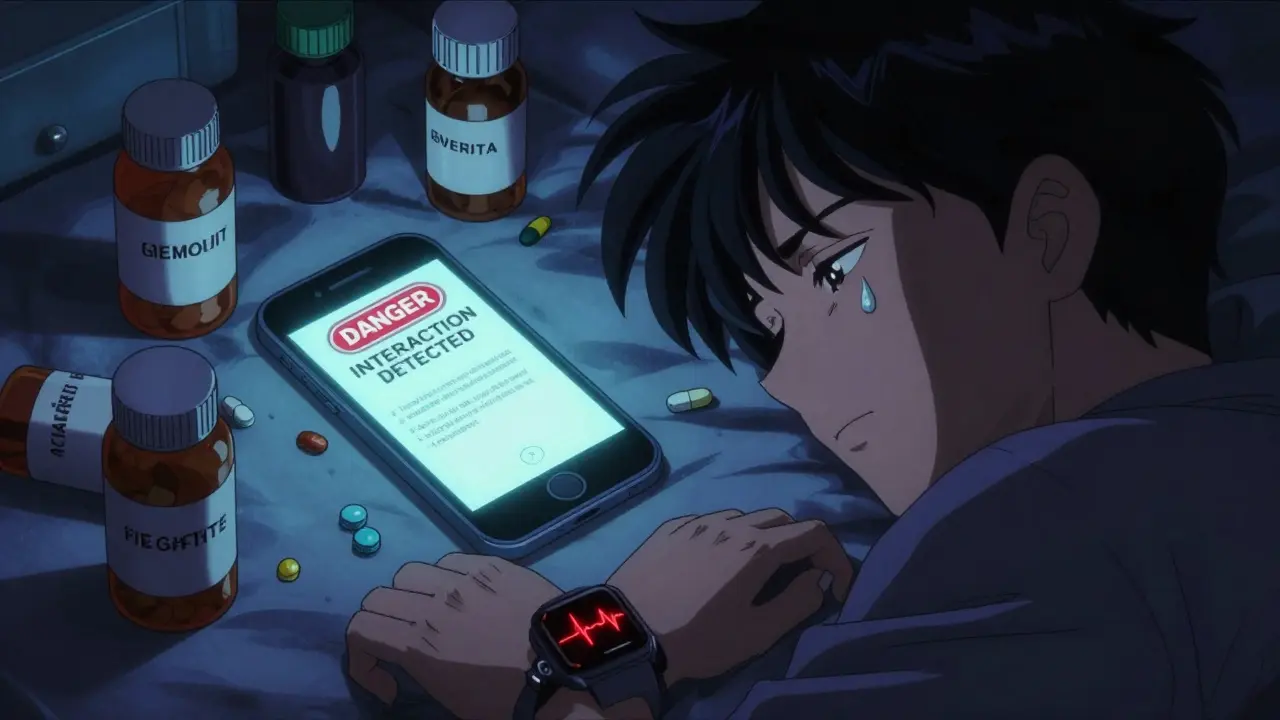
- Use tech to help-New AI tools can now scan your meds and flag risks based on your age, weight, kidney function, and other drugs. Ask your doctor if your clinic uses one.
And if you ever feel something’s wrong-trust that feeling. Your body knows before your brain catches up.
What’s Changing in Medication Safety
The system is catching up. In 2024, the FDA started requiring real-time safety monitoring for high-risk drugs using electronic health records. This means dangerous patterns will be spotted months faster than before. The NIH launched a $285 million program to test your genes before prescribing certain drugs. For example, if you carry a specific gene variant, taking carbamazepine could cause a deadly skin reaction. Genetic testing cuts that risk by nearly half. Wearable tech is getting smarter too. Apple’s ECG watches now detect irregular heart rhythms caused by medications. Some smart pill bottles are being tested to track when you take your meds-and alert your doctor if you miss doses or take too much. These tools help. But they don’t replace your awareness. The most powerful safety device you have is still your own body-and your willingness to listen to it.What are the most common dangerous side effects of prescription drugs?
The most frequently reported dangerous side effects include gastrointestinal bleeding (from NSAIDs or blood thinners), severe allergic reactions like anaphylaxis (from antibiotics, painkillers, or chemotherapy), and cardiac events like irregular heartbeat or chest pain (from stimulants, antidepressants, or heart meds). Liver damage, kidney failure, and drug-induced anemia are also common but often overlooked.
How soon after taking a medication do dangerous side effects appear?
Life-threatening reactions like anaphylaxis usually happen within minutes to an hour. Other serious reactions-like DRESS syndrome, serum sickness, or liver damage-can take days or even weeks to develop. If you notice a new symptom after starting a new drug, treat it as potentially related until proven otherwise.
Can over-the-counter drugs cause dangerous side effects?
Absolutely. Common OTC meds like ibuprofen, naproxen, and even antacids can cause internal bleeding, kidney damage, or dangerous interactions with prescription drugs. Many people assume "natural" or "non-prescription" means safe, but that’s not true. Always check with your pharmacist before combining OTC and prescription meds.
Should I stop taking my medication if I suspect a side effect?
Never stop a prescribed medication without talking to your doctor. Stopping suddenly can cause withdrawal symptoms that are just as dangerous as the side effect you’re worried about. For example, quitting beta-blockers abruptly can trigger a heart attack. Call your provider first-they can help you taper safely or switch to another drug.
Are older adults more at risk for dangerous medication side effects?
Yes. Adults over 65 metabolize drugs more slowly and are more likely to be taking multiple medications. They’re 2.7 times more likely to have a serious reaction than younger adults. About 44% of older adults take five or more drugs daily, which triples their risk of dangerous interactions. Regular medication reviews are critical for this group.
What should I do if I think I’m having a drug reaction?
If you have trouble breathing, swelling, chest pain, seizures, or loss of consciousness, call 911 immediately. For less urgent but still serious symptoms-like unusual bleeding, jaundice, or extreme fatigue-contact your doctor within 24 hours. Keep a record of when you took the drug and when symptoms started. Bring your medication list to your appointment.
Medications are powerful tools. But like any tool, they can hurt if used carelessly. The best defense isn’t fear-it’s awareness. Know your meds. Know your body. And never ignore a symptom that doesn’t belong.



Jodi Harding
18 January, 2026 19:01 PMMy aunt took that one blood pressure med and woke up with her face swollen like a balloon. Called 911. Turned out it was anaphylaxis. They said if she’d waited another 10 minutes, she wouldn’t have made it. Don’t ignore the signs. Your body screams before it breaks.
And no, ‘it’s probably just allergies’ isn’t a diagnosis.
Robert Davis
20 January, 2026 18:00 PMInteresting article. Though I must point out, the FDA’s data is skewed because ER visits are overreported due to liability fears. Most ‘serious’ reactions are just people being dramatic about mild GI upset. Also, statins don’t cause liver failure in healthy people unless they’re drinking heavily. Which, let’s be honest, most of them are.
Still, I appreciate the effort. Just… tone it down a bit.
Eric Gebeke
21 January, 2026 07:00 AMOf course the system is broken. Big Pharma doesn’t want you to know how many of these drugs are just repackaged poison with a fancy label. They pay doctors to ignore the red flags. And now they’re pushing ‘AI monitoring’ like that’s going to fix the fact that your pharmacist doesn’t even know what you’re taking?
I’ve seen people die from a simple antibiotic because no one connected the dots. The real danger isn’t the drug-it’s the people who profit from you getting sick.
And yes, I’ve read the studies. The ones they don’t want you to see.
Joni O
22 January, 2026 02:48 AMThank you for writing this. I was terrified after my mom started on that new diabetes med and stopped peeing for two days. We thought it was dehydration-turns out her kidneys were shutting down. I wish I’d known the signs sooner.
Keep sharing this stuff. It saves lives. And yes, brown bag your meds. I do it every quarter. My pharmacist remembers me now. She’s my hero.
You’re not being paranoid. You’re being smart.
P.S. I typo’d ‘peeing’ as ‘peeing’ in my notes. You know what I meant.
Ryan Otto
22 January, 2026 03:16 AMOne must observe with clinical detachment that the author’s narrative relies heavily on anecdotal extrapolation and emotionally charged language designed to induce fear rather than inform. The statistical claims, while ostensibly sourced from the FDA, lack peer-reviewed citation and are presented without context regarding confounding variables such as polypharmacy compliance, socioeconomic access to care, or pre-existing comorbidities.
Furthermore, the implication that wearable ECG devices constitute meaningful preventive medicine is a technocratic fallacy. Surveillance does not equate to safety. The real issue lies in the commodification of pharmaceuticals within a profit-driven healthcare infrastructure.
One might ask: who benefits from the perpetuation of this alarmist paradigm?
Max Sinclair
22 January, 2026 07:26 AMLove this breakdown. So many people think ‘if it’s prescribed, it’s safe’-but nope. I had a friend pass out after a new migraine med. Turned out it was a rare heart rhythm thing. She’s fine now, but only because her roommate knew to call 911.
Also, the brown bag method? Game changer. My grandma’s pharmacist found three duplicates and a dangerous combo with her fish oil. She’s been on the same meds for 15 years. No one ever checked.
Thanks for reminding us to be our own advocates. Not every doctor has time to dig deep-but we can.
Andrew McLarren
22 January, 2026 14:20 PMIt is my considered opinion that the article presents a commendable and methodical elucidation of the potential hazards associated with pharmacological intervention. The delineation between acute, subacute, and insidious adverse reactions is both clinically accurate and pedagogically valuable. Furthermore, the emphasis on patient agency-particularly through the maintenance of a comprehensive medication inventory-constitutes a vital component of harm reduction in contemporary medical practice.
I would respectfully suggest, however, that the inclusion of a reference to the Beers Criteria for potentially inappropriate medication use in older adults would further strengthen the scholarly rigor of this exposition.
Andrew Short
24 January, 2026 03:43 AMYou people are sheep. You take whatever the doctor hands you without asking why. You don’t research. You don’t read the inserts. You just swallow it like it’s candy.
And now you’re surprised when you get sick?
It’s not the drug. It’s you. You’re lazy. You’re ignorant. You think medicine is magic. It’s chemistry. And chemistry doesn’t care how nice you are.
Stop blaming Big Pharma. Start taking responsibility.
Also, if you’re over 65 and on five meds? You’re asking for trouble. Stop being a burden on the system.