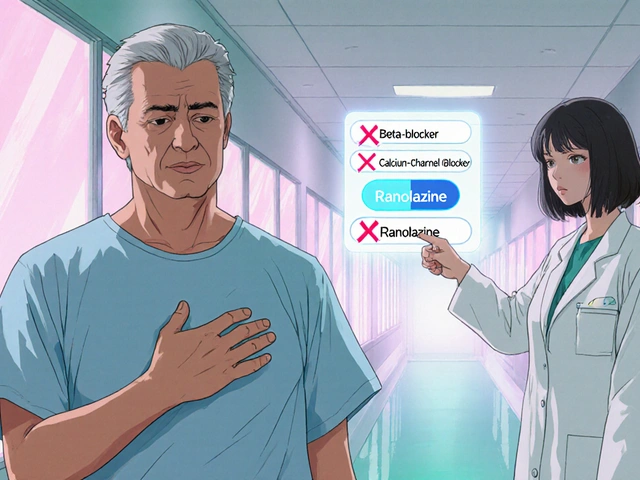
You’ve just left the clinic with a prescription in hand. The doctor explained what it was for, but your mind is racing. Do you take it with food? What if it makes you dizzy? Will it clash with that vitamin supplement you buy every month? It’s a common scenario, and frankly, it’s risky.
Medication errors are not just rare accidents; they are a systemic issue. Research from the Institute of Medicine revealed that these errors contribute to thousands of deaths annually in hospitals alone. Even outside the hospital, nearly half of all patients stop taking their prescriptions as directed. Why? Often because they didn’t fully understand how the drug works, what side effects were normal, or when to expect results. Asking the right questions before you start isn't just polite-it’s a critical safety strategy endorsed by major health organizations like the Agency for Healthcare Research and Quality (AHRQ).
Know Exactly What You Are Taking
It sounds obvious, but confusion over drug names is surprisingly common. A report from the Institute for Safe Medication Practices (ISMP) found that nearly a quarter of medication errors involve name confusion. Brand names and generic names can sound similar, look similar, or even be prescribed for different conditions entirely.
Generic vs. Brand Names Understanding the difference between brand-name drugs and their generic equivalents is crucial for cost savings and avoiding accidental double-dosing.
Ask your doctor: "What is the exact generic name of this medication, and does it have a brand name?" Write both down. If you’re switching pharmacies or insurance plans, having the generic name ensures you get the same active ingredient. Also, clarify the specific condition it treats. Is it managing your blood pressure long-term, or treating an acute infection? Knowing the goal helps you measure success later.
Mastering Dosage and Timing
How you take a pill matters almost as much as the pill itself. Some medications require an empty stomach to absorb properly, while others need food to prevent nausea. A study by AHRQ showed that over a third of patients misunderstand dosage instructions simply because the explanation wasn't clear enough during the rushed appointment.
Don’t just nod along. Ask specifically:
- "Exactly how many milligrams should I take?"
- "Should I take this with food or on an empty stomach?"
- "What time of day is best for this dose?"
- "If I miss a dose, what should I do?"
For example, statins often work better at night, while certain antibiotics must be spaced evenly throughout the day. If the label says "take with meals," clarify if that means a full lunch or just a few crackers. Ambiguity here leads to inconsistent blood levels of the drug, which can reduce effectiveness or increase side effects.
Setting Realistic Expectations for Results
One of the biggest reasons people quit medications early is impatience. You take a pill for depression or high blood pressure, don’t feel better immediately, and assume it’s not working. But most chronic condition medications take weeks-or even months-to show full benefits. A 2022 study in the *Journal of General Internal Medicine* found that nearly 70% of patients discontinue meds prematurely due to unclear efficacy expectations.
Ask your doctor: "When should I start feeling improvement?" and "How will we know if this is working?" Get specific timelines. If it’s an antibiotic, you might expect fever reduction in 48 hours. If it’s an antidepressant, mood stabilization might take four to six weeks. Knowing this timeline prevents panic and premature discontinuation.
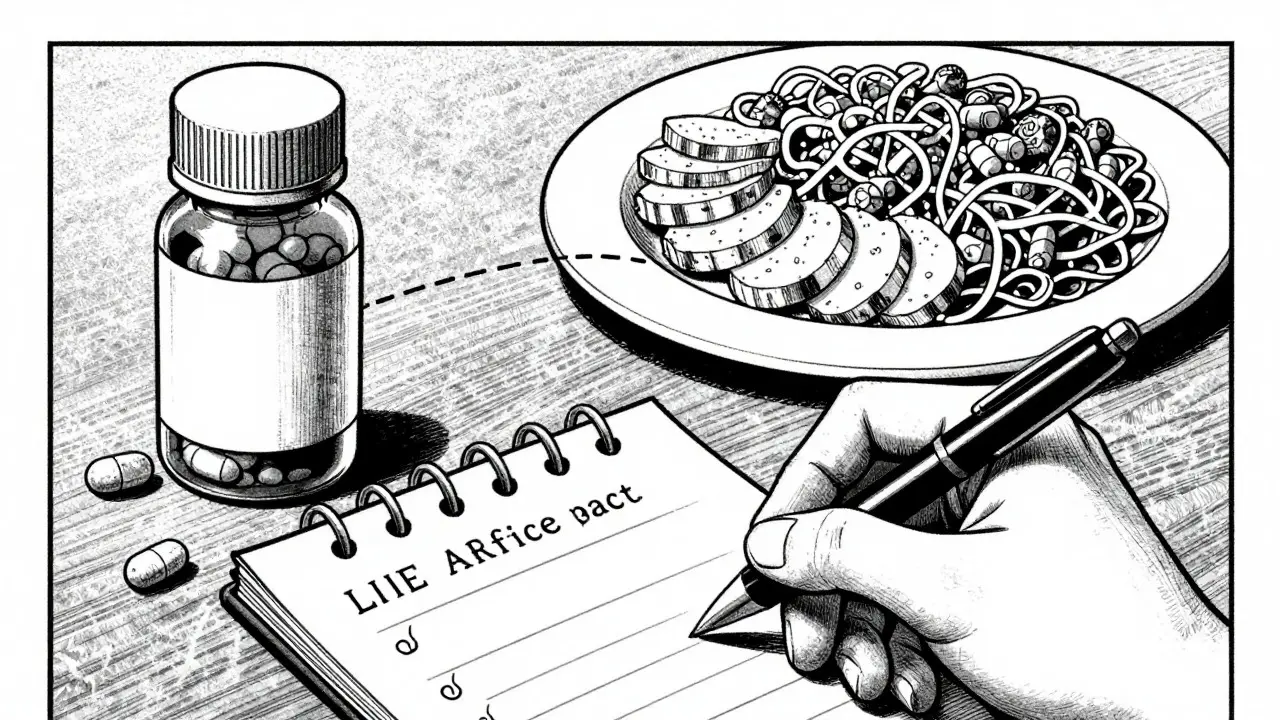
Navigating Side Effects Without Fear
Side effects are inevitable with many drugs, but not all side effects are created equal. Some are mild and temporary, like slight drowsiness or dry mouth. Others are red flags requiring immediate medical attention. The BMJ reported that adverse drug reactions cause a significant portion of hospital admissions, often because patients didn’t know which symptoms were dangerous.
Break this down into two parts:
- "What common side effects should I expect, and how long do they usually last?"
- "Which symptoms mean I should call you immediately or go to the ER?"
For instance, with blood thinners, minor bruising might be normal, but black stools indicate internal bleeding. With painkillers, constipation is common, but severe abdominal pain could signal a more serious issue. Having a clear list of "watch and wait" versus "act now" symptoms empowers you to manage your health confidently.
Checking for Dangerous Interactions
This is perhaps the most critical category. You might be taking other prescriptions, over-the-counter (OTC) drugs, herbal supplements, or vitamins without realizing they clash with your new medication. The FDA notes that adults who take five or more medications face an 85% higher risk of interactions.
Bring a complete list of everything you ingest to your appointment. Ask: "Will this interact with my current medications, supplements, or foods?" Be honest about alcohol consumption, grapefruit juice intake, or herbal remedies like St. John’s Wort. For example, grapefruit juice can dangerously amplify the effects of some statins and blood pressure meds. Similarly, combining certain antidepressants with OTC cold medicines can lead to serotonin syndrome, a potentially life-threatening condition.
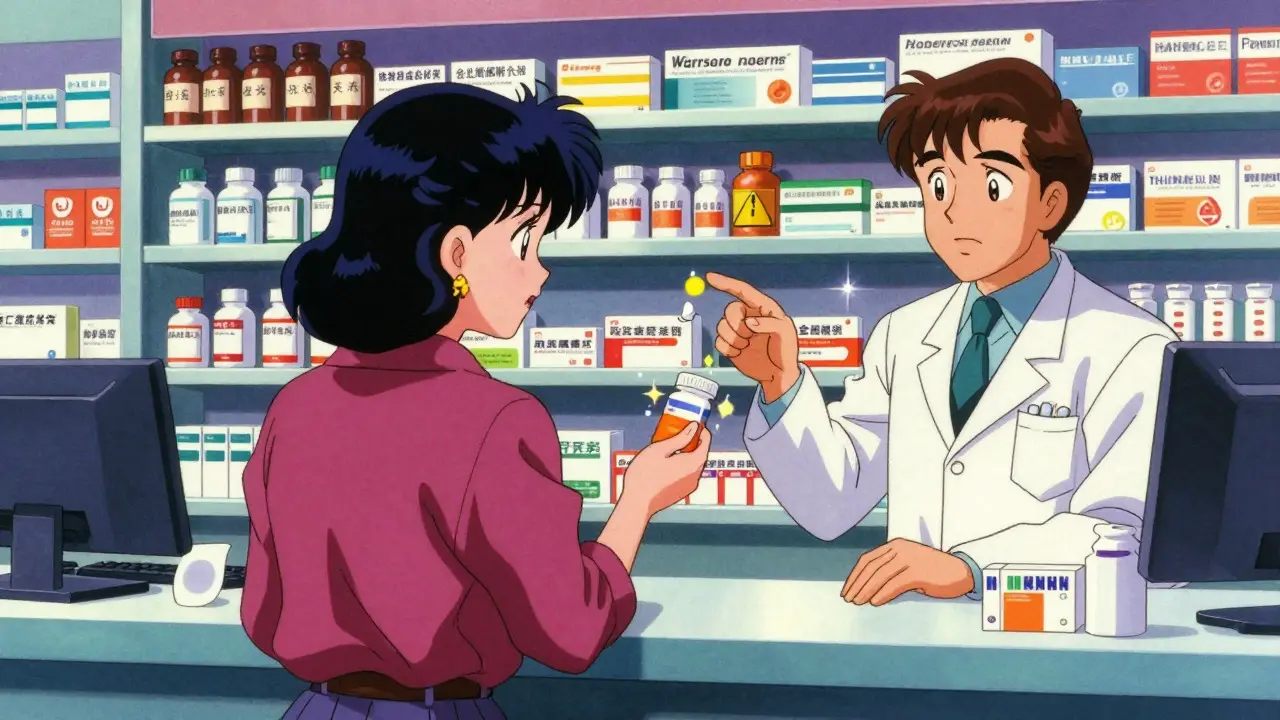
Exploring Alternatives and Personalized Care
Medicine is rarely one-size-fits-all. Sometimes, the first choice isn’t the best fit for your unique biology or lifestyle. Pharmacogenetics-the study of how your genes affect your response to drugs-is becoming more accessible. Tests can predict whether you’ll metabolize a drug too quickly (making it ineffective) or too slowly (causing toxicity).
Ask: "Why this specific medication over others?" and "Is pharmacogenetic testing appropriate for me?" If you have a history of poor responses to certain drugs, genetic insights might save you months of trial and error. Additionally, discuss cost. With rising healthcare expenses, asking about generic alternatives or manufacturer coupons can make a huge difference in whether you stick to the regimen.
Planning for Follow-Up and Contingencies
Starting a medication isn’t a one-time event; it’s the beginning of a process. Many patients leave the office without a clear plan for what happens next. According to AMA data, nearly half of patients fail to schedule necessary follow-ups, leaving them unsure if the treatment is still on track.
Establish a feedback loop. Ask: "When should we check in to review progress?" and "What is the backup plan if this doesn’t work or causes too many side effects?" Having a scheduled re-evaluation date-whether it’s a phone call or an in-person visit-ensures you aren’t left guessing. It also holds the provider accountable for monitoring your response.
| Category | Key Question to Ask | Why It Matters |
|---|---|---|
| Identification | What is the generic name? | Avoids name confusion and ensures correct refills. |
| Administration | With food or empty stomach? | Maximizes absorption and minimizes nausea. |
| Effectiveness | When will I see results? | Prevents premature discontinuation. |
| Side Effects | Which symptoms are emergencies? | Reduces unnecessary ER visits and anxiety. |
| Interactions | Does it clash with my supplements? | Prevents dangerous drug-drug reactions. |
| Follow-up | When is our next check-in? | Ensures ongoing monitoring and adjustment. |
Tips for Making the Most of Your Appointment
Doctors are busy, and appointments are short. To ensure you get answers, prepare strategically. Bring a written list of your questions, prioritizing the top three. Write down the answers immediately; research shows that writing increases retention by 70% compared to listening alone. If possible, bring a trusted friend or family member to act as a second pair of ears and note-taker.
If you feel rushed, say so. Politely request a moment to clarify complex points. Remember, you are the expert on your body, and the doctor is the expert on medicine. Effective communication bridges the gap between the two. By asking these questions, you transform from a passive recipient of care into an active partner in your health journey.
Is it okay to ask many questions during a short appointment?
Absolutely. While appointments are brief, your safety depends on clarity. Prioritize your top three concerns and write down the rest. If time runs out, ask if you can follow up via a patient portal or phone call. Providers appreciate engaged patients who seek understanding.
What should I do if I forget to ask a question after leaving the office?
Use the patient portal if available, or call the nurse’s line. Most clinics have staff dedicated to answering non-urgent medication queries. Don’t wait until your next appointment if you’re confused about dosage or side effects.
Do over-the-counter drugs really interact with prescriptions?
Yes, frequently. Common OTC meds like ibuprofen, antacids, or sleep aids can interfere with prescription absorption or increase side effects. Always disclose all OTC products and supplements to your doctor.
How can I tell if a side effect is serious?
Your doctor should provide a list of "red flag" symptoms. Generally, difficulty breathing, swelling of the face/throat, severe rash, chest pain, or sudden confusion require immediate emergency care. Mild nausea or drowsiness may resolve within a few days.
Should I ask about generic versions to save money?
Definitely. Generics contain the same active ingredients as brand-name drugs but cost significantly less. Unless there’s a specific medical reason to stay on the brand, generics are equally effective and safe.