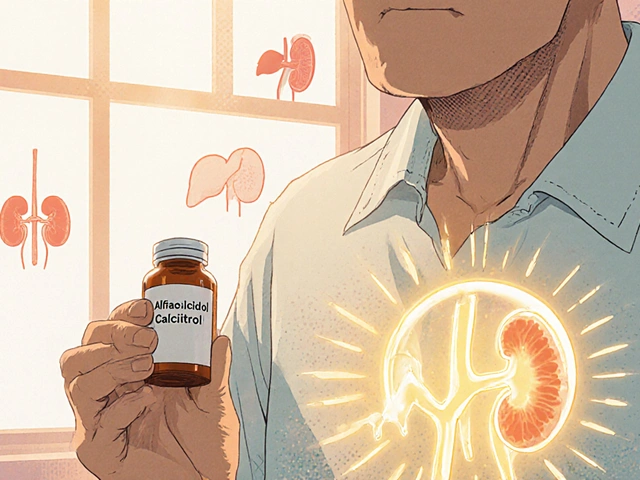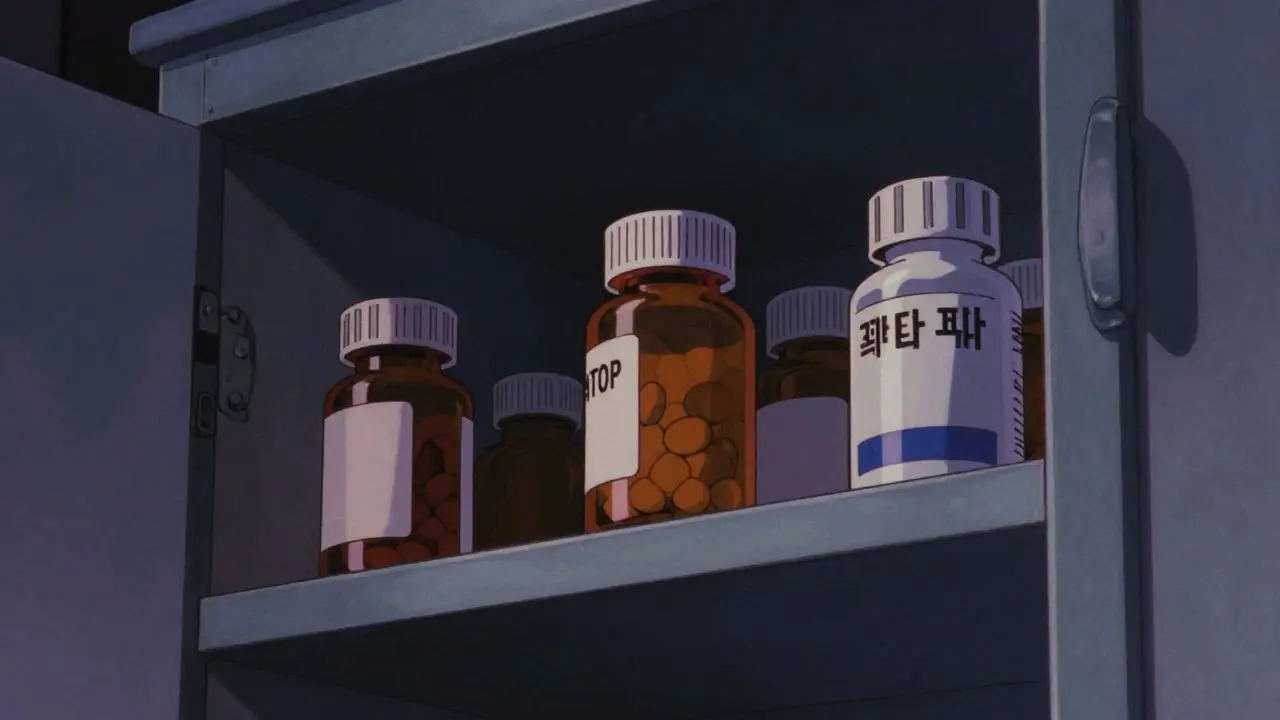
Having a few leftover painkillers in the cabinet might seem harmless, but those small plastic bottles are often the starting point for a tragedy. About 70% of people who misuse prescription opioids get them from the medicine cabinets of friends or family. When we leave unused pills around, we aren't just tidying up; we're leaving a door open for accidental poisoning, youth experimentation, or a fatal overdose. Learning how to dispose of unused opioids properly is one of the fastest ways to make your home and community safer.
Quick Summary: Safe Disposal Options
- Drug Take-Back Programs: The gold standard. Use DEA-registered kiosks at pharmacies or police stations.
- Deactivation Pouches: Chemical pouches that neutralize drugs in minutes. Great for home use.
- Household Trash: A last resort. Mix meds with coffee grounds or cat litter in a sealed container.
- The FDA Flush List: Only for a specific list of 15 high-risk opioids when no other option exists.
Why Leaving Old Pills in the Cabinet is a Risk
It is easy to think, "I'll keep these just in case I need them later," but the reality is that unused opioids are a liability. According to the Centers for Disease Control and Prevention is the national public health agency of the United States providing health information and preventative strategies (CDC), over 100,000 people died from drug overdoses in a single year recently. A huge portion of these cases start with a legal prescription that was diverted to someone else.
When medications sit in a home, they are susceptible to "diversion." This happens when a teenager finds a pill during a dare or a visiting relative takes a few for "extra help" with pain. By clearing out your supply, you effectively remove the temptation and the risk of a pediatric accident, where a child might mistake a colorful pill for candy.
The Best Method: Drug Take-Back Programs
If you have the choice, always go with a professional take-back program. These are the most secure methods because they utilize a strict chain of custody. The Drug Enforcement Administration is a United States federal law enforcement agency tasked with combating drug trafficking and distribution (DEA) manages thousands of these sites. You can typically find them at pharmacies like Walgreens or Walmart, as well as local police stations.
What happens to the drugs? They aren't just thrown in a bigger trash can. They are sent to EPA-permitted facilities and incinerated at temperatures over 1,800°F. This process destroys 100% of the active pharmaceutical ingredients, ensuring that the drugs can never be recovered or leach into the groundwater. While these are the safest, keep in mind that if you live in a rural area, you might have to drive further to find one.
Convenient Home Solutions: Deactivation Pouches
If you can't make it to a pharmacy, Deactivation Pouches are chemical-based disposal systems that use activated carbon to neutralize pharmaceutical ingredients are a fantastic alternative. Products like the Deterra system use activated carbon and biodegradable materials to make the drug unrecoverable.
Here is how they work: you put your pills in the pouch, add warm water, and within 30 minutes, the medication is chemically neutralized. It's a high-efficiency method-University of Pittsburgh tests showed 99.9% effectiveness. Just a pro tip: make sure you actually add the water. A common mistake users make is putting the pills in the bag but forgetting the liquid, which means the drugs stay active and dangerous.
| Method | Effectiveness | Convenience | Env. Impact |
|---|---|---|---|
| Take-Back Kiosks | Very High (98%) | Moderate | Low (Incinerated) |
| Deactivation Pouches | High (95%) | Very High | Low (Biodegradable) |
| Household Trash | Moderate (68%) | High | Moderate (Landfill) |
| Flushing | High (Immediate) | Very High | High (Waterways) |
How to Use the Trash Can Safely
If you live in a "medication desert" and have no access to kiosks or pouches, you can use your household trash, but you can't just throw the bottle in the bin. Scavengers sometimes dig through trash to find medications to sell or use. To stop this, you need to make the drugs unappealing and unidentifiable.
- Mix it up: Take the pills out of the bottle and mix them with an absorbent material. Used coffee grounds or kitty litter work best.
- Seal it tight: Put the mixture into a sealable plastic bag or a container that won't leak.
- Hide your identity: Use a permanent marker to black out your name, address, and prescription number on the original bottle before throwing it away.
This process significantly reduces the risk of someone finding your medication. In one study by the Lake County Health Department, this specific method reduced the risk of medication diversion by 82%.
The Last Resort: The FDA Flush List
You've probably heard that you should never flush medicine because it pollutes the water. Generally, that's true. However, the Food and Drug Administration is the federal agency responsible for protecting public health by ensuring the safety of drugs and food (FDA) has a specific "Flush List."
This list contains about 15 high-risk opioids, including fentanyl patches and morphine sulfate. For these specific drugs, the risk of a child or pet accidentally ingesting them is considered more dangerous than the environmental harm of flushing. If you have a drug on this list and absolutely no other way to get rid of it immediately, flush it. If it's not on that list, keep it out of the toilet.
Common Mistakes to Avoid
Even well-meaning people make errors that compromise safety. One common mistake is trying to deactivate pills while they are still in their child-proof bottles. This doesn't work because the chemicals in a pouch can't penetrate the plastic. Always remove the medication from the container first.
Another issue is the "I'll do it later" mentality. People often store unused meds in a "junk drawer" for months. The safest time to dispose of a medication is the moment you realize you no longer need it. If you're being discharged from a hospital, ask the nurse for disposal options before you even leave the building. Programs that implement "dispose at discharge" have seen compliance rates jump from 32% to nearly 90%.
Can I just crush the pills and throw them in the trash?
Crushing them helps, but it doesn't make them disappear. The best way to use the trash is to mix them with something like coffee grounds or cat litter so they are physically hidden and harder to extract, then seal them in a bag.
Where can I find the nearest take-back location?
The DEA provides a public disposal locator tool online where you can enter your ZIP code to find registered collection sites, including pharmacies and law enforcement facilities.
Are all opioids on the FDA flush list?
No. Only about 15 specific, high-risk opioids are on the list. Most medications should be taken to a take-back site or put in a deactivation pouch to prevent water pollution.
Do deactivation pouches work for all types of pills?
Most pouches are designed for a wide range of pharmaceuticals, but always check the packaging. They are highly effective for opioids when used with the required amount of warm water.
Why shouldn't I just give my unused meds to a friend who needs them?
This is illegal and dangerous. Medications are prescribed based on a specific person's health history, weight, and tolerance. Giving them to someone else can lead to an accidental overdose or a severe adverse reaction.
Next Steps for Your Home
If you're not sure where to start, take ten minutes this weekend to audit your medicine cabinet. Separate the current medications from the expired or unused ones. If you have a pharmacy nearby, put them in a bag and drop them off at a kiosk tomorrow. If you're in a remote area, order a few deactivation pouches online or gather some old coffee grounds and start the household disposal process today. Every single pill you remove from your home is one less opportunity for a tragedy to happen.