
Understanding the Diagnosis
Huntington’s Disease is a progressive, fatal neurodegenerative disorder that affects the brain and nervous system. You might think you know what this means after hearing the name, but few people grasp the specific mechanics until they face a diagnosis. This isn't just a medical term; it changes every day of life for patients and their families. First described by George Huntington in 1872, we now know it has a clear genetic cause discovered in 1993. Despite decades of research, there is no cure as of 2026, meaning treatment focuses entirely on managing symptoms and planning for the future.
The condition affects approximately 5 to 10 people per 100,000 of European descent, making it less common in Asian and African populations. When symptoms appear, usually between ages 30 and 50, they typically involve three main areas: movement problems, cognitive decline, and psychiatric disturbances. Some cases start earlier, known as the Westphal variant or juvenile form, affecting 5 to 10 percent of patients before age 20. Understanding this baseline helps set realistic expectations for anyone navigating a new diagnosis.
The Genetics Behind the Condition
To understand why this happens, you need to look at the DNA level. Specifically, a mutation exists within the HTT Gene is located on chromosome 4p16.3. Normal copies of this gene contain 10 to 26 repeats of a specific sequence called CAG. If a person has more than 40 repeats, the condition is fully penetrant, meaning the disease will develop. Those with 36 to 39 repeats may or may not show symptoms, creating a grey area often referred to as reduced penetrance.
Inheritance follows an autosomal dominant pattern. Each child of an affected parent faces a precise 50 percent chance of inheriting the mutant allele, regardless of gender. There is also something called genetic anticipation. About 60 to 70 percent of times the father passes on the gene, the CAG repeats expand further. On average, paternal transmission adds 5 to 10 repeats compared to only 1 to 3 in maternal transmission. This explains why 85 to 90 percent of juvenile cases come from the father side. Knowing these numbers matters because longer repeat lengths often mean earlier onset and faster progression.

Recognizing Motor Symptoms and Chorea
Movement issues are often the first visible sign. Chorea is the hallmark motor symptom characterized by involuntary, irregular, purposeless movements. These jerky motions can look like dancing, flowing from one body part to another. Stress tends to make them worse, while sleep makes them disappear. In early stages, they might just affect hands or feet. Later, the whole body becomes involved, often accompanied by stiffness or slowness.
Doctors measure severity using the Unified Huntington's Disease Rating Scale (UHDRS), a standardized tool assessing movement control from 0 (none) to 4 (severe, continuous). A score of 1 or 2 indicates mild chorea affecting distal limbs. Scores of 3 or 4 signal advanced disease requiring significant support. These ratings help specialists track progression objectively rather than relying only on patient description. The damage occurs because GABAergic medium spiny neurons in the striatum begin to degenerate, disrupting communication pathways in the brain.
Treatment Options and Management
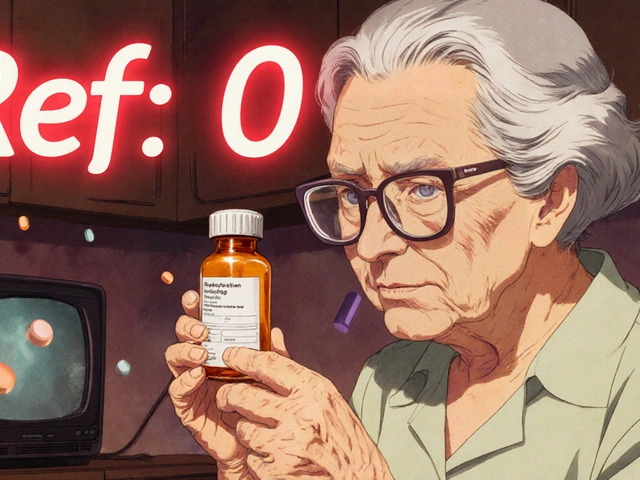
While no therapy stops the disease itself, managing symptoms improves quality of life significantly. For controlling chorea, the FDA approved Tetrabenazine (Xenazine) back in 2008. It reduces chorea by about 25 to 30 percent at daily doses between 25 and 100 milligrams. However, side effects like depression happen in 22 percent of patients, which limits its use for everyone. Another option is deutetrabenazine (Austedo), which captured 65 percent of the market share after its approval.
| Medication | Approval Year | Primary Benefit | Common Side Effect |
|---|---|---|---|
| Tetrabenazine (Xenazine) | 2008 | Reduces chorea by 25-30% | Depression (22%) |
| Deutetrabenazine (Austedo) | 2017 | Similar chorea reduction, improved safety | Sedation (18%) |
| Valbenazine (Ingrezza) | May 2023 | Second-line treatment option | Neurotransmitter imbalance |
Future treatments include antisense oligonucleotides. Roche's tominersen trial was paused in March 2021 due to unfavorable risks but resumed with modified dosing in January 2023. Wave Life Sciences' SELECT-HD trial showed a 38 percent reduction in mutant huntingtin protein at 135 weeks. Even with these potential breakthroughs, experts agree comprehensive care remains essential through 2040.

Stages of Care Planning
Planning needs to evolve as the disease progresses. Early-stage care involves the first five years after diagnosis. During this time, completing advance directives and living wills is critical, with 78 percent of patients doing so within two years. Employment planning and legal documents protect your wishes before cognitive decline sets in. Mid-stage care spans five to 15 years. By year 10, 65 percent of patients require occupational therapy for daily activities, and nearly half need speech therapy for swallowing difficulties.
Late-stage care requires full-time supervision. Statistics show 89 percent of patients need residential care facilities by the 20-year mark. The financial reality is stark, with annual care costs averaging $125,000 USD. Access to structured care through specialized Huntington's Disease Centers of Excellence extends survival by 2.3 years compared to general neurology. These centers reduce hospitalizations for aspiration pneumonia by 32 percent and suicide rates by 58 percent. Coordination between neurology, psychiatry, physical therapy, and social work is non-negotiable for maintaining dignity and safety.
Navigating Resources and Support
You do not have to manage this alone. The Huntington's Disease Society of America (HDSA) certifies 53 Centers of Excellence across the United States alone. As of January 2023, these centers provide access to multidisciplinary teams. Specialized training programs certified 287 new clinicians in 2022 specifically for HD care. Despite this, rural patients still face delays, waiting an average of 22.7 months for comprehensive team assembly compared to 14.3 months for urban residents.
Financial barriers remain a significant hurdle. A 2023 report indicated 42 percent of U.S. patients spend over $5,000 annually out-of-pocket on services not covered by insurance. Many turn to community forums, such as the Reddit r/huntington community with over 12,000 members, to share experiences regarding genetic testing decisions. Patient feedback consistently highlights that care coordination, not just medication, defines the quality of life. Physical therapy, particularly aquatic therapy, shows 35 percent greater effectiveness for balance improvement than land-based exercises.
Can genetic testing predict if I will get Huntington's Disease?
Yes, predictive testing can confirm the presence of the expanded CAG repeat before symptoms appear. However, 95 percent of at-risk individuals receive pre-test counseling because the decision carries heavy emotional and psychological implications.
What is the life expectancy after diagnosis?
On average, patients live about 15 to 20 years after symptom onset. Survival depends heavily on the specific care model used; structured specialty clinic care extends this by roughly 2.3 years compared to general neurology.
Is there a cure available in 2026?
As of 2026, there is no cure for Huntington's Disease. While clinical trials for gene-silencing therapies like tominersen are active, current treatment focuses strictly on symptom management and supportive care.
How much does specialized care cost?
Average annual care costs reach $125,000 USD by late stages. Total healthcare spending for the U.S. population totals about $1.5 billion yearly, with many patients paying extra for un-covered therapies like specific physical interventions.
Do children of a diagnosed parent definitely inherit the disease?
No, there is a precise 50 percent chance for each child to inherit the mutant allele. Gender does not influence this probability, though paternal transmission often leads to earlier onset due to genetic anticipation.





Ace Kalagui
2 April, 2026 09:32 AMIt is truly heartbreaking to see families struggle with something that feels inevitable from the start. When we think about care planning we often forget the emotional toll involved in these situations. Many people do not realize how much legal work needs to happen before symptoms show up visibly. You have to talk about advance directives while your mind is still clear enough to decide things properly. Without those documents early decisions become a burden for siblings later on who might feel guilty. Financial stability also takes a massive hit during these years because costs rise quickly without warning. We need to remember that specialized centers actually improve life expectancy significantly compared to normal clinics. It makes sense to find one of those certified locations as soon as possible after diagnosis occurs. The staff there understands the specific nuances better than general practitioners ever could possibly know. They reduce hospital visits by focusing on home safety and nutrition primarily throughout the day. Physical therapy helps maintain balance even when the disease progresses steadily over many long months. Aquatic options seem to offer better benefits than exercises done on dry land for patients specifically. Keeping communication open with social workers prevents isolation from the community which is vital. Isolation tends to accelerate cognitive decline faster than medication alone would predict in most scenarios. Ultimately every family deserves access to resources that respect their dignity fully regardless of cost.
Beth LeCours
3 April, 2026 11:46 AMThis sounds like way too much trouble for regular folks.
I mean why bother with all the lawyers and doctors.
Just take pills and hope for the best I guess.
angel sharma
5 April, 2026 06:35 AMWe have to keep pushing forward because science is always finding new ways to help us survive this challenge.
The research data shows promising signs even if it feels slow sometimes.
Every trial brings us closer to a solution that can change the outcome for everyone affected.
You never know what tomorrow holds if you stay hopeful and engaged in the process today.
Joey Petelle
6 April, 2026 05:56 AMAmerican medicine is the gold standard yet we pretend we are falling behind constantly.
Other countries copy our methods while we complain about insurance costs being high.
If the FDA approved the drugs then they work despite the internet noise.
Stop whining about the system when it saves lives better than anywhere else on earth.
Rob Newton
7 April, 2026 10:40 AMThe statistics provided here ignore the variability seen in real world cases completely.
Aysha Hind
8 April, 2026 09:57 AMBig Pharma controls the narrative to sell you expensive treatments that barely work anyway.
Why are they pushing trials now when nothing changed decades ago in the labs?
Their profit margins depend on chronic management rather than actual cures for this condition.
We need to look at holistic alternatives before trusting another corporate sponsored study blindly.
Lawrence Rimmer
9 April, 2026 21:48 PMDestiny writes its own script whether we choose to read it or burn the book entirely.
Fate dictates the gene expression and humans merely react to the unfolding drama of biology.
Understanding the mechanism changes nothing about the ultimate conclusion of the story.
Dipankar Das
11 April, 2026 15:22 PMAdherence to strict therapeutic regimens remains the cornerstone of survival strategy.
Patients must prioritize scheduled interventions above casual social activities for maximum efficacy.
Compliance ensures that quality of life metrics remain stable longer during progression phases.
Discipline is required daily to maintain function and prevent unnecessary complications from arising.
Branden Prunica
12 April, 2026 01:42 AMI watched my entire world crumble when the diagnosis finally came down for my older brother.
He was the strongest guy I knew until the shakes started happening everywhere he looked.
We fought for every single inch of comfort but eventually the house felt too small for him.
Nursing homes became the only place where he could eat safely without choking on thin air.
It destroyed me to see him lose the ability to sign his own name with steady hands.
No amount of planning prepares you for the silence in the room when words stop coming clearly.
People tell you there are centers of excellence but the reality is much colder than brochures say.
You spend thousands just to keep the machine running inside his body during bad weeks.
I scream sometimes when I think about how fast everything went away from us.
Maybe someone reading this finds a way sooner so less families have to live through that.
It is the hardest thing any human soul has to endure in modern times without fail.
Please believe me when I say this pain never really leaves your heart completely gone.
We just learn to carry the weight differently as the days march on past us slowly.
Divine Manna
12 April, 2026 10:08 AMTechnically the CAG repeat expansion occurs in the IT15 gene coding region of the huntingtin protein.
Misconceptions regarding reduced penetrance thresholds persist frequently in public forums unfortunately.
Paternal transmission bias correlates strongly with methylation patterns observed during spermatogenesis cycles.
Accurate understanding requires knowledge beyond basic layman descriptions of genetic inheritance patterns.
Furthermore the distinction between juvenile onset and adult presentation hinges on repeat count variance.
The Charlotte Moms Blog
12 April, 2026 16:09 PMYou all sound far too optimistic about managing such a tragic fate!!!
Some people lack faith in divine intervention when facing biological odds!!!
God tests us through illness so we may grow spiritually stronger during hard times!!!
Prayer should be part of the treatment plan alongside medication strictly speaking!!!
Never forget that true healing comes from above not below in this world!!!