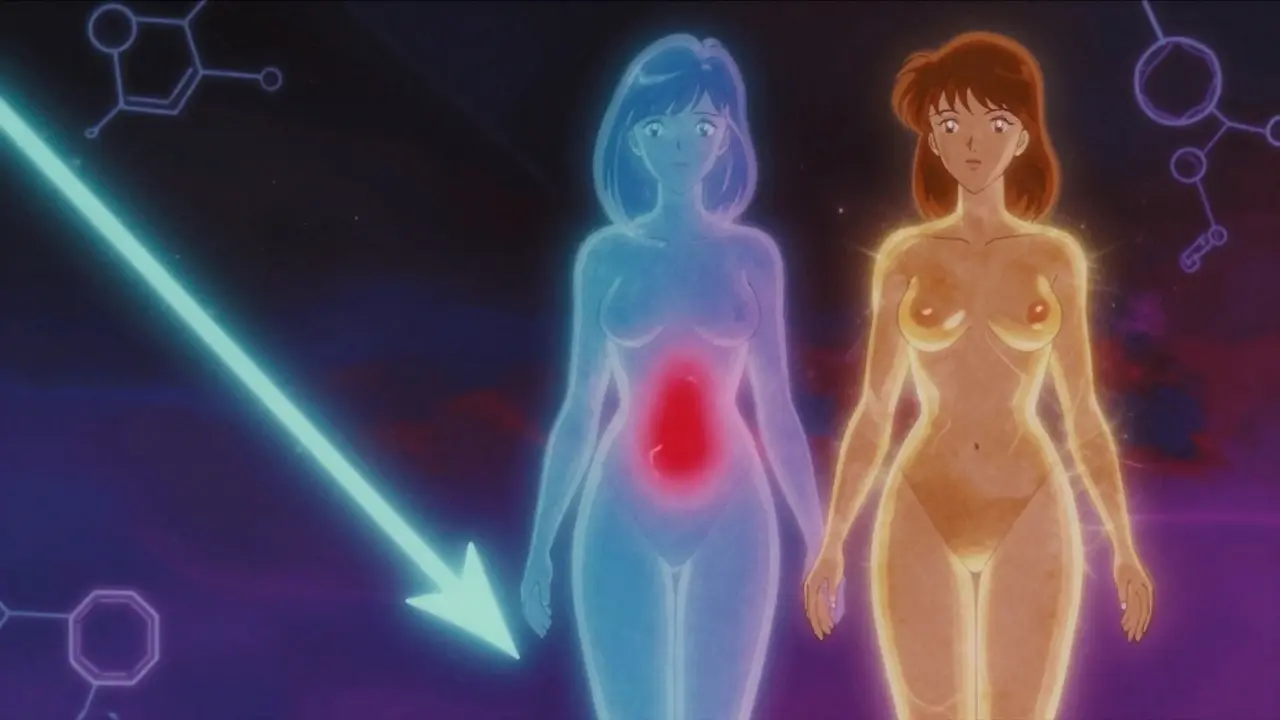
The core problem isn't a lack of willpower; it's a shift in your internal chemistry. During the menopausal transition, the body doesn't just gain weight-it redistributes it. We see a move away from the "pear shape" (hips and thighs) toward an "apple shape" (the abdomen). This isn't just an aesthetic issue; it's a clinical one. Menopause weight gain is the physiological accumulation of body fat, particularly in the visceral abdominal region, driven by declining estrogen levels and age-related muscle loss. While it can feel overwhelming, understanding the specific levers-hormones, muscle mass, and metabolic rate-allows you to build a strategy that actually works with your biology instead of against it.
The Hormonal Trigger: Why the Belly Fat Happens
The primary driver behind this shift is the dramatic drop in Estradiol, the most potent form of estrogen. In premenopausal years, estradiol levels typically hover between 70 and 150 pg/mL. During menopause, these can plummet to as low as 10-20 pg/mL. When this happens, your body loses its ability to effectively store fat in the subcutaneous regions of the hips and thighs.
As estrogen fades, the relative influence of Testosterone increases. This hormonal imbalance signals the body to store new fat in the abdominal area. This is why you might see a 25-35% shift toward abdominal storage. This "visceral fat" is far more active and dangerous than the fat under your skin; it produces inflammatory cytokines at three to five times the rate of subcutaneous fat, which can lead to increased insulin resistance by up to 40%.
It's not just about where the fat goes, but how hungry you feel. Lower estrogen levels lead to a 20-30% reduction in Leptin, the hormone that tells your brain you're full. At the same time, the sleep disruptions caused by night sweats spike Ghrelin, the hunger hormone, by 15-25%. You are essentially fighting a biological urge to overeat while your body is simultaneously becoming more efficient at storing fat in your gut.
The Muscle Connection and Metabolic Slowdown
If hormones are the trigger, Sarcopenia-the age-related loss of skeletal muscle-is the fuel for weight gain. Most women lose about 3-8% of their lean muscle mass per decade after age 30. However, menopause accelerates this process, adding another 1-2% loss annually. Since muscle is metabolically active tissue, losing it means your resting metabolic rate drops by roughly 2-3% every ten years.
This creates a dangerous cycle: you lose muscle, your metabolism slows down, and you gain fat. This is why women in the SWAN study found they gained weight even when keeping their calories and exercise levels exactly the same. Your "maintenance calories" are effectively shrinking, meaning the amount of food that kept you lean at 35 is now a surplus at 52.
| Attribute | Premenopausal | Postmenopausal |
|---|---|---|
| Primary Fat Storage | Hips, Thighs, Buttocks (Subcutaneous) | Abdomen (Visceral) |
| Estradiol Levels | 70-150 pg/mL | 10-20 pg/mL |
| Muscle Mass Trend | Gradual decline (3-8% per decade) | Accelerated loss (additional 1-2% yearly) |
| Metabolic Rate | Baseline | 2-5% annual decline in BMR |
A Strategy for Weight Management in 2026
Because the biological landscape has changed, your strategy must change. You cannot out-cardio a hormonal shift. The most effective approach focuses on protecting muscle and managing insulin sensitivity.
Prioritize Resistance Training
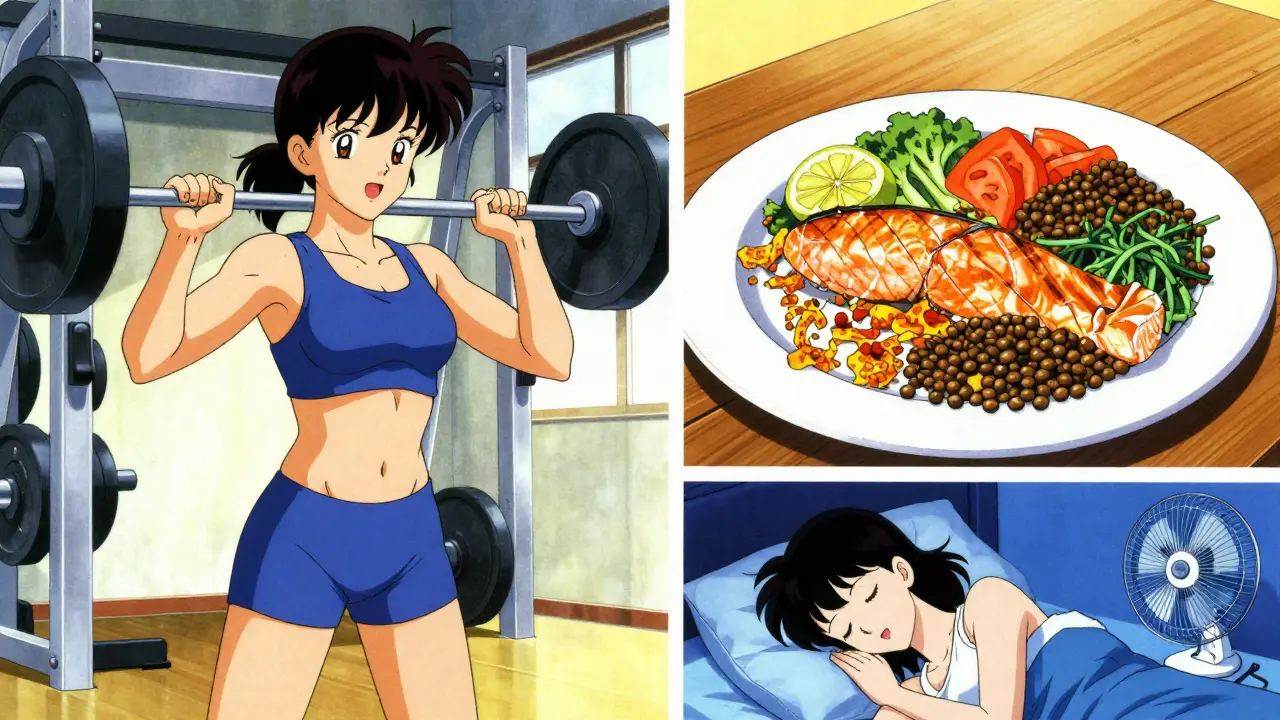
Walking is great for the heart, but it won't stop sarcopenia. To counteract muscle loss, you need progressive resistance training. A 2022 trial published in the journal Menopause found that combining weight lifting 2-3 times a week with High-Intensity Interval Training (HIIT) 1-2 times a week increased lean muscle mass by nearly 2kg and reduced abdominal fat by 8-12% over six months. Focus on compound movements-squats, presses, and rows-that engage multiple muscle groups.
The Protein Pivot
As you age, your muscles become less responsive to protein, a condition known as anabolic resistance. To overcome this, you need more protein than you did in your 20s. The British Menopause Society suggests aiming for 1.2 to 1.6 grams of protein per kilogram of body weight. In practical terms, this means aiming for 25-30 grams of protein at every single meal. Think Greek yogurt with berries for breakfast, grilled chicken or tofu for lunch, and salmon or lentils for dinner.
Sleep as a Metabolic Tool
If you are waking up four times a night with hot flashes, your metabolism will suffer. Poor sleep isn't just tiring; it's a metabolic disruptor that keeps ghrelin high and leptin low. Prioritizing 7-8 hours of quality sleep can improve leptin sensitivity by up to 30%. This might mean using cooling sheets, maintaining a bedroom temperature of 65°F (18°C), or discussing Hormone Replacement Therapy (HRT) with your doctor to mitigate the night sweats that ruin your sleep cycle.
Dealing with the Learning Curve
One of the hardest parts of this journey is the slow pace of progress. Research in Obesity Reviews shows that postmenopausal women often lose weight 20-30% slower than premenopausal women, even with the same caloric deficit. This is where most women give up, thinking the plan isn't working.
You have to adjust your expectations. The goal is no longer a rapid drop on the scale, but a shift in body composition. You might stay the same weight but lose two inches off your waist because you've replaced fat with muscle. Focus on non-scale victories: how your clothes fit, your strength in the gym, and your energy levels throughout the day. Most experts, including those at the Mayo Clinic, suggest giving a new lifestyle plan 3 to 6 months before expecting significant visible changes.
When to Seek Medical Intervention
While lifestyle is the foundation, some women require medical support. If your abdominal circumference is greater than 88 cm (35 inches), you are at a significantly higher risk for metabolic syndrome. This includes hypertension, high blood sugar, and abnormal cholesterol levels.
Modern medicine is moving toward precision care. New metabolic testing protocols now analyze 17 different markers to see exactly how your body is responding to the estrogen drop. Additionally, new developments like myostatin inhibitors are being tested in Phase 3 trials, which aim to increase muscle mass while decreasing fat. If your current efforts aren't moving the needle, it's time to move beyond general advice and get a personalized hormonal profile from an endocrinologist or OB-GYN.
Why am I gaining weight even though I haven't changed my diet?
This happens because of a decline in your Basal Metabolic Rate (BMR). The loss of estradiol and the onset of sarcopenia (muscle loss) mean your body requires fewer calories to function than it used to. Additionally, the redistribution of fat to the abdominal area occurs due to a shift in the ratio of estrogen to testosterone, meaning you can gain visceral fat even while maintaining a caloric balance.
Is cardio the best way to lose menopause belly fat?
Not exclusively. While walking and swimming are great for cardiovascular health, they don't effectively combat the muscle loss associated with menopause. Strength training and resistance exercises are more effective for long-term weight management because they build lean muscle, which increases your resting metabolic rate and improves insulin sensitivity.
How much protein do I actually need?
To fight anabolic resistance, aim for 1.2 to 1.6 grams of protein per kilogram of body weight. For a woman weighing 70kg, that's roughly 84-112 grams of protein per day. It is most effective to split this into 25-30 gram servings across 3-4 meals to keep muscle protein synthesis active throughout the day.
Do hot flashes actually affect my weight?
Yes, indirectly but significantly. Hot flashes and night sweats disrupt sleep, which triggers a spike in ghrelin (the hunger hormone) and a drop in leptin (the satiety hormone). This combination increases cravings for sugar and carbs the next day and makes it harder for your body to regulate appetite.
Will hormone therapy help with weight gain?
Hormone Replacement Therapy (HRT) can help by stabilizing the hormonal environment, reducing night sweats (improving sleep), and potentially slowing the shift toward abdominal fat storage. However, it is not a magic pill for weight loss; it works best when combined with strength training and a high-protein diet.