
Imagine this: you walk into the kitchen and see your toddler standing on a chair, reaching for a bottle of painkillers. Or maybe you accidentally took an extra dose of your blood pressure medication because the label was smudged. Your heart races. Do you drive to the ER? Do you induce vomiting? Do you wait and see?
Panic is natural, but it can also lead to bad decisions. That is exactly why the Poison Control Hotline exists. It is not just a phone number; it is a lifeline staffed by medical experts who can tell you in minutes whether you need an ambulance or just some ice chips.
Many people think they know what to do in a poisoning emergency, but most don’t. In fact, specialists handle over 2.1 million human exposure cases every year across the United States. For medication-related issues alone, which make up about 45% of all calls, these experts prevent unnecessary hospital visits while ensuring that serious cases get the care they need immediately. Let’s break down how this system works, what information you actually need to have ready, and why calling first is often the smartest move you can make.
Who Answers the Phone?
When you dial 1-800-222-1222, you are not talking to a general customer service rep. You are connected to one of 53 accredited poison control centers operated under America's Poison Centers (formerly the American Association of Poison Control Centers). The person on the other end is likely a Specialist in Poison Information (SPI) or a Poison Information Provider (PIP).
These professionals are typically registered nurses, pharmacists, or physicians with specialized training in toxicology. About 70% hold advanced degrees in health sciences. They use evidence-based algorithms-over 1,540 of them-to assess risk instantly. Think of them as doctors who specialize exclusively in poisons and medications. Their job is to triage your situation using data, not guesswork.
The service is free, confidential, and available 24/7. You do not need insurance, identification, or even a reason to call. If you are worried, you call. The average consultation for a medication exposure takes only 8 to 12 minutes. In 60% of those cases, the specialist resolves the issue without sending you to a healthcare facility. This saves time, money, and stress.
How to Access Help Beyond the Phone
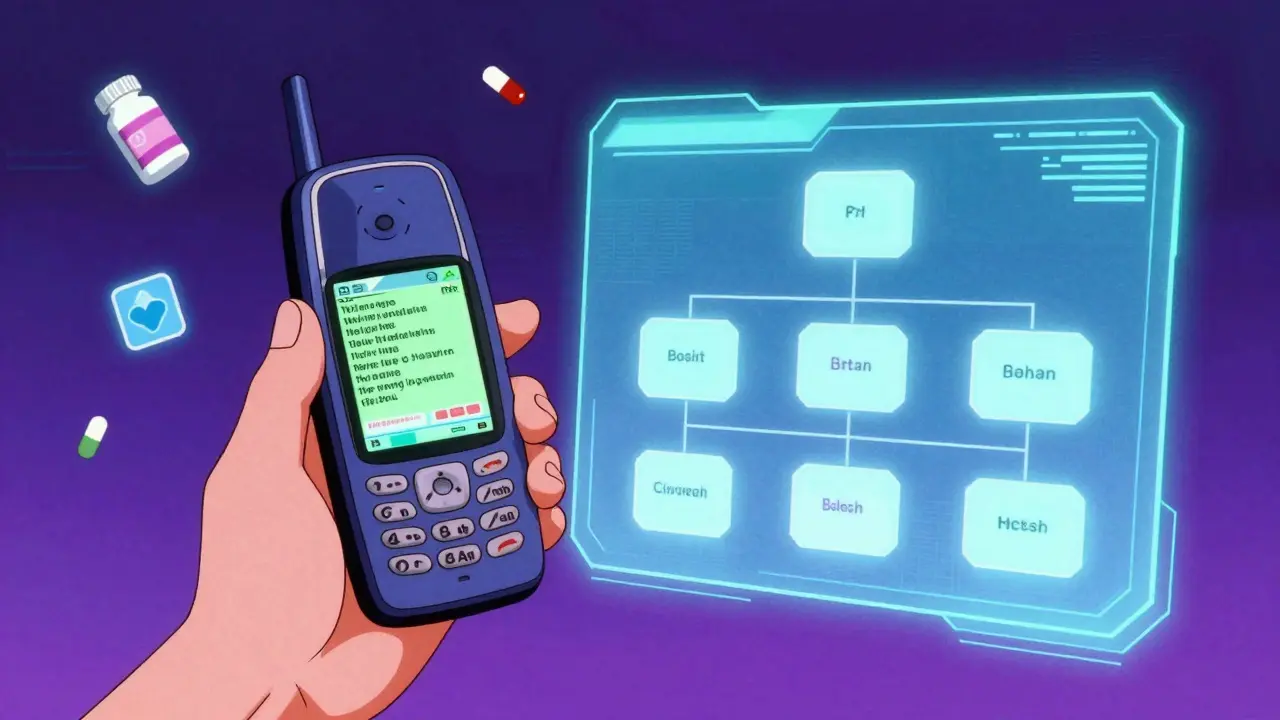
While the phone line is the most common way to get help, technology has expanded access. You can now text 'poison' to 797979 for immediate assistance. This is particularly useful if you are unable to speak clearly due to symptoms or if you are in a noisy environment.
There is also the webPOISONCONTROL online tool at poisonhelp.org. Launched in 2014, this platform uses an algorithmic decision tree similar to what the specialists use. It asks for six specific data points: substance identification, amount ingested, patient age, weight, time since exposure, and zip code. The system generates recommendations in an average of 2.6 minutes.
This digital tool has processed over 1.2 million cases with a 97.3% accuracy rate compared to human specialist recommendations. However, it has limits. It does not handle intentional overdoses or exposures involving more than two substances. In those complex scenarios, you must speak to a human specialist via phone. Always keep the phone number handy, as it remains the gold standard for critical assessments.
What Information You Must Report About Medications
If you are calling about a medication, preparation is key. Specialists cannot give accurate advice if they are guessing about the drug or the dose. Here is exactly what you need to gather before or during the call:
- Exact Medication Name: Provide both the brand name (e.g., Tylenol Extra Strength) and the generic name (acetaminophen) if known. Don't just say "pain pills."
- Strength and Dosage: Check the bottle for the milligram amount per tablet or liquid concentration (e.g., 500mg per tablet).
- Precise Amount Ingested: Estimate the number of tablets or volume in milliliters. If unsure, bring the container to count remaining pills.
- Patient Details: Age and weight in kilograms are crucial. Toxicity depends heavily on body mass. A dose that harms a child may be harmless to an adult.
- Time of Exposure: Be specific. "Around 3 PM" is better than "this afternoon." For acetaminophen, for example, treatment windows are tight.
- Current Symptoms: Note any nausea, vomiting, dizziness, or changes in behavior. Include when symptoms started.
Specialists pay close attention to polypharmacy situations-when multiple drugs are involved. Thirty-two percent of serious medication outcomes involve interactions between two or more drugs. If the patient took different medications, list them all. Even vitamins and herbal supplements matter.

Why Calling First Saves Money and Lives
You might wonder if it is worth the effort to call instead of just going to the emergency room. The data says yes. A 2019 study published in Clinical Toxicology found that poison control center recommendations saved the U.S. healthcare system approximately $1.8 billion annually by preventing unnecessary healthcare utilization.
For every dollar invested in poison control centers, society gains $7.67 in medical cost savings and productivity preservation, according to Dr. Robert G. Hendrickson, Professor of Emergency Medicine at Oregon Health & Science University. This isn't just about saving cash; it is about reducing strain on hospitals so they can focus on true emergencies.
Consider pediatric ingestions, which account for 47% of cases. Specialists prevent emergency department visits in 83% of these situations through home management instructions. Instead of a stressful night in the ER waiting room, parents get clear, expert guidance on what to watch for at home. This reduces anxiety and avoids exposing children to hospital-acquired infections.
| Method | Average Time to Advice | Cost to User | Best For |
|---|---|---|---|
| Phone Hotline (1-800-222-1222) | 8-12 minutes | Free | Complex cases, multi-drug exposures, intentional overdoses |
| Text Line (797979) | Varies | Free | Situations where speaking is difficult or unsafe |
| webPOISONCONTROL Online Tool | 2.6 minutes | Free | Single-substance accidental exposures, quick checks |
| Emergency Department Visit | Hours | High (co-pays, bills) | Severe symptoms, loss of consciousness, confirmed toxicity |
Follow-Up and Monitoring
Calling poison control is not always a one-time interaction. Depending on the substance, specialists may schedule follow-up callbacks. For example, after an acetaminophen exposure, they might check in at 4, 8, and 24 hours to monitor for potential liver toxicity. Data from the New Mexico Poison & Drug Information Center shows that 92% of these follow-up attempts are successfully completed.
This proactive monitoring is vital because some toxins have delayed effects. You might feel fine initially, but damage could be brewing internally. The specialists track these timelines based on pharmacokinetics-how the body processes the drug. They provide email summaries with exact product identification, risk assessment, and management instructions. Seventy-eight percent of users report keeping these summaries for reference, which is helpful if symptoms develop later and you visit a doctor.
Common Misconceptions and Pitfalls
One major misconception is that you should always induce vomiting. Unless specifically instructed by a poison control specialist, do not make someone vomit. It can cause aspiration (inhaling vomit into the lungs), which is dangerous. It can also re-expose the esophagus to corrosive substances.
Another pitfall is assuming that "natural" means safe. Herbal supplements and essential oils can be toxic, especially in high doses or for children. The hotline handles these cases too. Be honest about everything the person consumed. Privacy laws protect you; HIPAA-compliant systems ensure your information stays confidential.
Some people worry about being judged, especially in cases of accidental self-harm or confusion. Specialists are trained to be non-judgmental. Their primary goal is safety, not moralizing. They deal with thousands of cases and understand that mistakes happen. Honesty helps them save lives.
Emerging Challenges and Future Trends
The landscape of poisoning is changing. Pharmaceutical exposures rose 18.7% from 2018 to 2022, with significant increases in opioids (up 22.3%), sedatives (up 19.8%), and cardiovascular medications (up 15.6%). Novel psychoactive substances pose new challenges, requiring frequent updates to the algorithms specialists use.
To address this, the Centers for Disease Control and Prevention (CDC) allocated $4.7 million in 2023 for AI-enhanced algorithm development. Thirty-one centers now offer video consultations for complex cases, integrating telehealth into traditional toxicology support. The National Poison Data System (NPDS) continues to serve as the nation’s near real-time surveillance database, identifying emerging threats like synthetic cannabinoid-induced coagulopathy.
Funding remains a concern. While the 2022 Bipartisan Budget Act secured $50 million in annual funding through 2027, inflationary pressures could reduce service capacity by 12-15% without additional support. Despite these challenges, the system remains robust, with 99% of Americans living within 200 miles of a center.
Is the Poison Control Hotline really free?
Yes, the service is completely free for callers. It is funded through a combination of government appropriations, hospital subsidies, and state grants. There are no hidden fees, and you do not need insurance to use it.
Can I use the hotline for pet poisonings?
The national hotline primarily focuses on human exposures. For pets, you should contact the ASPCA Animal Poison Control Center (888-426-4435) or Pet Poison Helpline (855-764-7661). These services may charge a fee, but they are specialized for veterinary cases.
What if I don't know what medication was taken?
Call anyway. Describe the pill’s appearance (color, shape, markings) or bring the empty bottle/container. Specialists can often identify medications based on physical descriptions or imprint codes. If you are unsure, it is safer to seek professional guidance than to guess.
Does calling poison control notify the police?
No. Poison control centers operate under strict privacy protocols and do not report calls to law enforcement unless there is an imminent threat to public safety or mandatory reporting laws apply (such as child abuse). Their priority is medical triage, not legal investigation.
How long does it take to get through on the phone?
Wait times vary by region and time of day, but most callers connect within minutes. During peak hours or mass exposure events, waits may be longer. If you are experiencing severe symptoms like difficulty breathing or unconsciousness, call 911 immediately rather than waiting for poison control.
Is the webPOISONCONTROL tool as reliable as calling?
It is highly reliable for simple, single-substance accidental exposures, with a 97.3% accuracy rate compared to human specialists. However, it cannot handle intentional overdoses, multi-drug interactions, or complex medical histories. For anything beyond basic ingestion, speaking to a specialist is recommended.





Hassan Bukhari
4 June, 2026 08:25 AMIt is genuinely amusing how people still treat this hotline like a novelty service rather than the critical infrastructure it is. The data presented here is elementary for anyone with a basic understanding of public health systems, yet I suspect most readers will skim past the actual mechanics to look for some sensational headline. The fact that 60% of cases are resolved without hospital visits should be obvious to any rational person who understands triage protocols. It is not magic, it is efficient resource allocation.
Lenny Cruz
6 June, 2026 06:33 AMI have to disagree with the premise that calling first is always the smartest move. There is a significant portion of the population that relies on ERs because they distrust remote advice or simply want immediate physical intervention regardless of cost. The article paints too rosy a picture of the hotline's accessibility and effectiveness. Not everyone has the cognitive clarity to provide the six specific data points required by the webPOISONCONTROL tool during a crisis. Human error in reporting can lead to dangerous delays if the algorithm fails to account for nuanced symptoms that a human specialist might catch but a rigid decision tree misses.
Dave Villeneue
7 June, 2026 22:39 PMYour analysis lacks depth. The reliance on algorithms for medical triage is a precarious foundation for public safety. While the statistics cited are accurate, they ignore the systemic failures that occur when these centers are understaffed or underfunded. The mention of inflationary pressures reducing service capacity by 12-15% is a minor detail compared to the potential catastrophic failure modes of such a centralized system. You fail to address the liability issues inherent in providing medical advice over a phone line or text message. This is a superficial overview of a complex logistical network.
Rachel Harrypersad
8 June, 2026 17:51 PMi feel so drained just reading about all the panic involved in these situations why do we make everything so complicated cant we just trust our instincts more the idea that we need to weigh every pill and check every label feels oppressive its like we are constantly being told we are one mistake away from disaster and honestly that anxiety is toxic in itself i think people need to breathe more and worry less about the hypothetical worst case scenarios that rarely happen
Brian Irwin
10 June, 2026 03:39 AMhey guys let's take a breath here this post is actually really helpful for those of us who get scared easily i know accidents happen and having that number saved in your phone gives me peace of mind knowing someone is there to help without judgment its great to see that experts are available 24/7 and free which removes a huge barrier for families struggling financially please keep sharing this info it could save someone's life or at least their sanity
Rosy Centire
11 June, 2026 08:39 AMThe distinction between brand name and generic medication is crucial and often overlooked by laypeople. In my experience working in community health education, patients frequently confuse dosage strengths even within the same brand family. The emphasis on precise weight and age metrics is scientifically sound; pediatric toxicity thresholds are notoriously narrow. Furthermore, the clarification regarding pet poisonings is vital, as many individuals mistakenly attempt to use human resources for veterinary emergencies, leading to delayed treatment for animals. This article serves as an excellent primer for household safety preparedness.
Aswin Ashokan
11 June, 2026 09:44 AMthis seems like a very western problem in india we manage with home remedies and common sense without needing a dedicated hotline for every little thing the dependency on external services weakens individual resilience perhaps focusing on better parental supervision would be more effective than creating another bureaucratic layer to handle negligence
William Storm
12 June, 2026 02:15 AMOne must consider the philosophical implications of outsourcing moral responsibility to an algorithmic decision tree. When we rely on webPOISONCONTROL, are we abdicating our duty to understand the nature of risk? The 97.3% accuracy rate is impressive, certainly, but what constitutes the remaining 2.7%? Is it error? Or is it the irreducible complexity of human biology that defies quantification? We live in an age where convenience trumps comprehension, and this service epitomizes that trend. It is efficient, yes, but is it wise?
Wendy Engelmann
13 June, 2026 16:50 PMIt is interesting to observe how technology has evolved to meet urgent needs. The shift from phone-only assistance to integrated digital tools reflects broader societal changes in communication preferences. I appreciate the clarity provided in the comparison table; it simplifies a potentially overwhelming amount of information into actionable choices. The note about follow-up callbacks is particularly reassuring, as it demonstrates a commitment to long-term patient safety rather than just immediate triage.
Lisa Thomas
14 June, 2026 23:16 PMOMG this is so important!! 😱 I had no idea you could text them too! That is literally a lifesaver for people who freeze up or can't speak clearly. Everyone needs to save this number right now!! Please share this with your friends and family!! 🙏✨
Nicholas Bowling
15 June, 2026 17:31 PMeveryone is acting like this hotline solves everything but what about the underlying issue of why people are taking wrong meds in the first place is it laziness is it stupidity or is it just bad packaging design i feel like we are putting a bandaid on a bullet hole and pretending the wound is healed meanwhile the real drama is the lack of accountability in pharmaceutical labeling laws
Jay Foreman
17 June, 2026 09:49 AMThis is exactly the kind of information that responsible citizens should pay attention to. It is disgraceful that more people do not know about these resources. We have a moral obligation to protect our children and ourselves from preventable harm. Ignorance is not bliss; it is dangerous. If you are not saving this number, you are complicit in potential tragedy. Let us stop making excuses and start taking action. Safety is not optional.
Cathy N
19 June, 2026 04:47 AMi found the section on polypharmacy particularly informative it highlights how complex medication management can be especially for older adults who may be on multiple prescriptions it is good to know that specialists are trained to handle these interactions and that honesty about all substances including supplements is encouraged without fear of judgment
Adelaide Motata
20 June, 2026 12:26 PMtypical american obsession with rules and hotlines for everything back home we just deal with it ourselves without all this fuss its ridiculous that people need to call a number to tell them not to eat paint or whatever the next thing you know theyll have a hotline for breathing properly its just so unnecessary and wastes time