REMS Prescription Delay Calculator
This calculator estimates how long it might take to get your prescription filled due to REMS program requirements. Based on FDA data and real-world pharmacy reports.
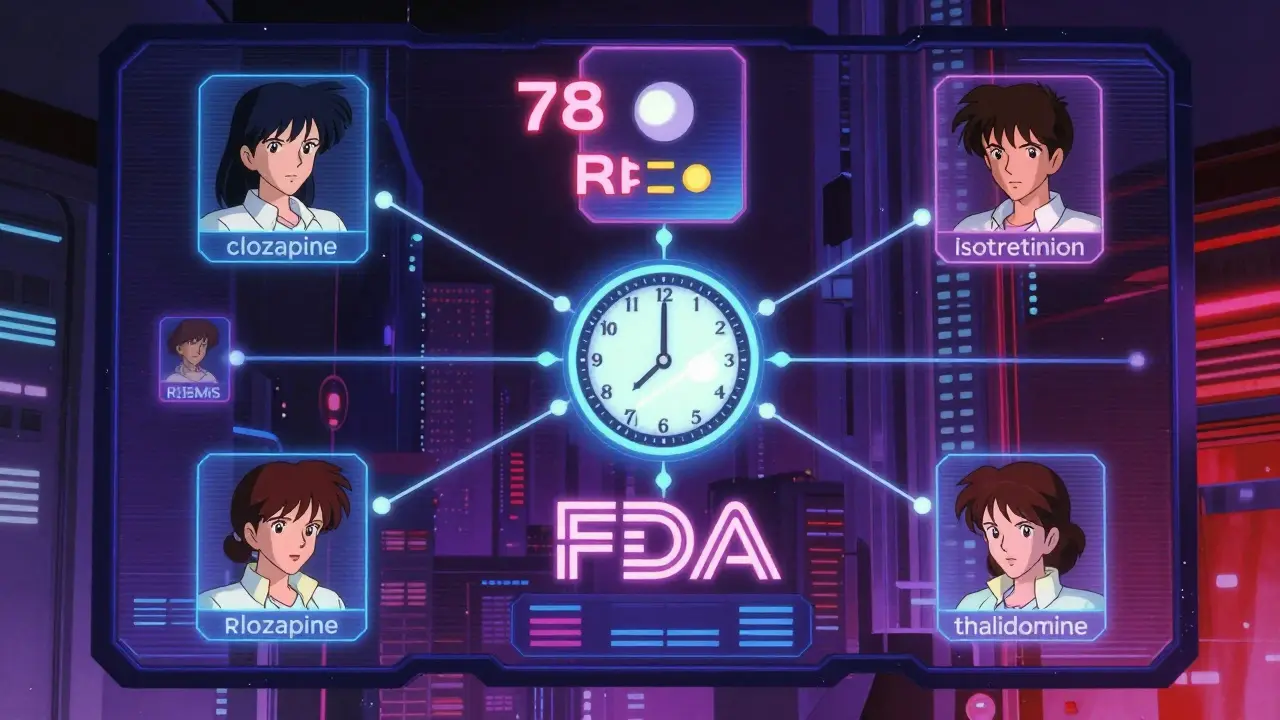
When a drug can save lives but also carry serious, even deadly, risks, how do you make sure it’s used safely? That’s the exact problem the U.S. Food and Drug Administration (FDA) set out to solve with REMS programs-Risk Evaluation and Mitigation Strategies. These aren’t just extra warnings on a label. They’re structured, legally required systems designed to manage the most dangerous medications on the market. Think of them as a safety net that keeps high-risk drugs available while minimizing harm. Today, 78 active REMS programs cover about 150 medications, from life-saving cancer treatments to drugs that can cause irreversible birth defects.
What Exactly Is a REMS Program?
A REMS program is a formal plan approved by the FDA to manage specific, serious risks tied to certain prescription drugs. It’s not for every medication. In fact, about 95% of approved drugs don’t need one. REMS kicks in only when the potential harm is severe enough that standard prescribing guidelines and warning labels aren’t enough. The legal foundation for REMS came from the 2007 Food and Drug Administration Amendments Act (FDAAA), which gave the FDA the power to require these programs either during a drug’s initial approval or later, if new safety data emerges.
REMS isn’t about removing risk entirely-it’s about balancing risk and benefit. For example, a drug might cause severe liver damage in 1 out of 500 patients, but it’s the only treatment that can save someone with a rare, fatal disease. The FDA doesn’t pull the drug. Instead, it builds a system around it to make sure only the right patients get it, under the right conditions.
How REMS Programs Work: The Three Main Elements
Every REMS is custom-built for the specific drug and its risks. But they all include at least one of three core elements:
- Medication Guides: These are printed handouts given to patients. They explain the risks in plain language. For example, isotretinoin (Accutane), a powerful acne drug, comes with a guide that clearly states it can cause severe birth defects if taken during pregnancy.
- Communication Plans: These are targeted messages sent to doctors, pharmacists, and sometimes hospitals. They might include training materials, emails, or alerts about new safety data. For drugs like clozapine, which can wipe out white blood cells and leave patients vulnerable to infection, these plans remind providers to order weekly blood tests during the first six months.
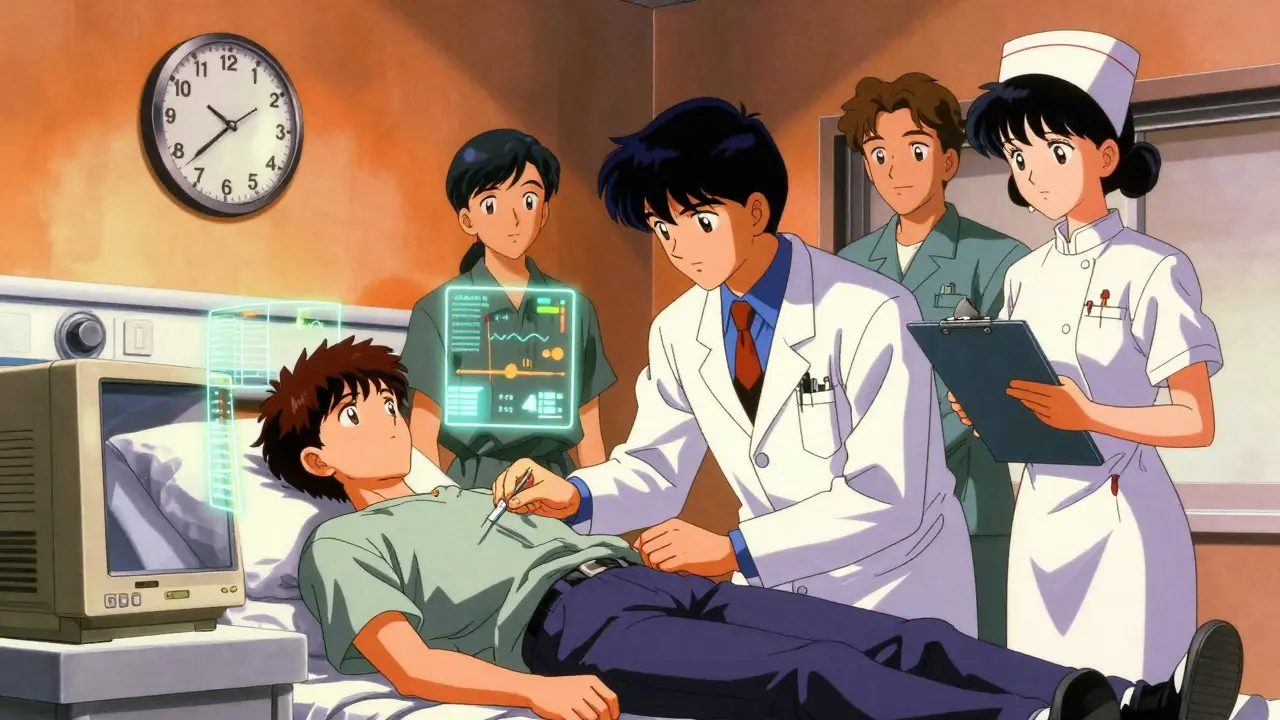
- Elements to Assure Safe Use (ETASU): This is the strictest layer. ETASU can require prescribers to get certified, patients to enroll in a registry, or medications to be dispensed only in certain settings. Take Zyprexa Relprevv, a long-acting shot for schizophrenia. Because it can cause sudden, life-threatening sedation after injection, it must be given in a certified clinic where staff can monitor the patient for at least three hours.
These elements aren’t optional. They’re enforced. If a pharmacy dispenses a REMS drug without verifying the prescriber’s certification or the patient’s enrollment, they’re breaking federal rules.
Why REMS Programs Exist: Real-World Examples
Some of the most famous drugs in medical history led to the creation of REMS. Thalidomide, once used to treat morning sickness in the 1950s and 60s, caused thousands of babies to be born with missing limbs. When it was revived decades later to treat leprosy and multiple myeloma, the FDA didn’t just slap on a warning. They created iPLEDGE-the most complex REMS ever built. It requires women of childbearing age to take two negative pregnancy tests, use two forms of birth control, and complete monthly counseling before getting a refill. Men must also register and avoid donating sperm.
Clozapine, used for treatment-resistant schizophrenia, can cause agranulocytosis-a dangerous drop in white blood cells. Without monitoring, it can be fatal. The REMS for clozapine requires weekly blood draws for the first six months, then every two weeks. Pharmacists must verify the lab results before filling the prescription. One hospital pharmacist told Pharmacy Times they spend up to five extra hours a week just managing clozapine checks.
Even newer drugs like the long-acting opioid Zohydro ER were put under REMS after concerns about misuse. The program requires prescribers to complete training on opioid safety and document patient risk assessments. But critics say the training doesn’t actually reduce abuse-it just adds paperwork.
Who Pays for REMS? And Who Bears the Burden?
The pharmaceutical company that makes the drug is legally responsible for designing, funding, and running the REMS program. That means they pay for training, registries, patient outreach, and technology systems. The cost varies wildly. A simple medication guide might cost $500,000 a year. A full ETASU program with patient registries, certified prescribers, and pharmacy verification systems can cost over $15 million annually.
But the real cost isn’t just financial-it’s time. A 2022 survey of 1,250 U.S. doctors found that 68% had delayed starting a REMS drug because of paperwork. For patients with rare diseases, that delay can mean worsening symptoms or hospitalization. One mother in Ohio described how her daughter’s rare epilepsy drug took 11 days to start because of REMS verification delays.
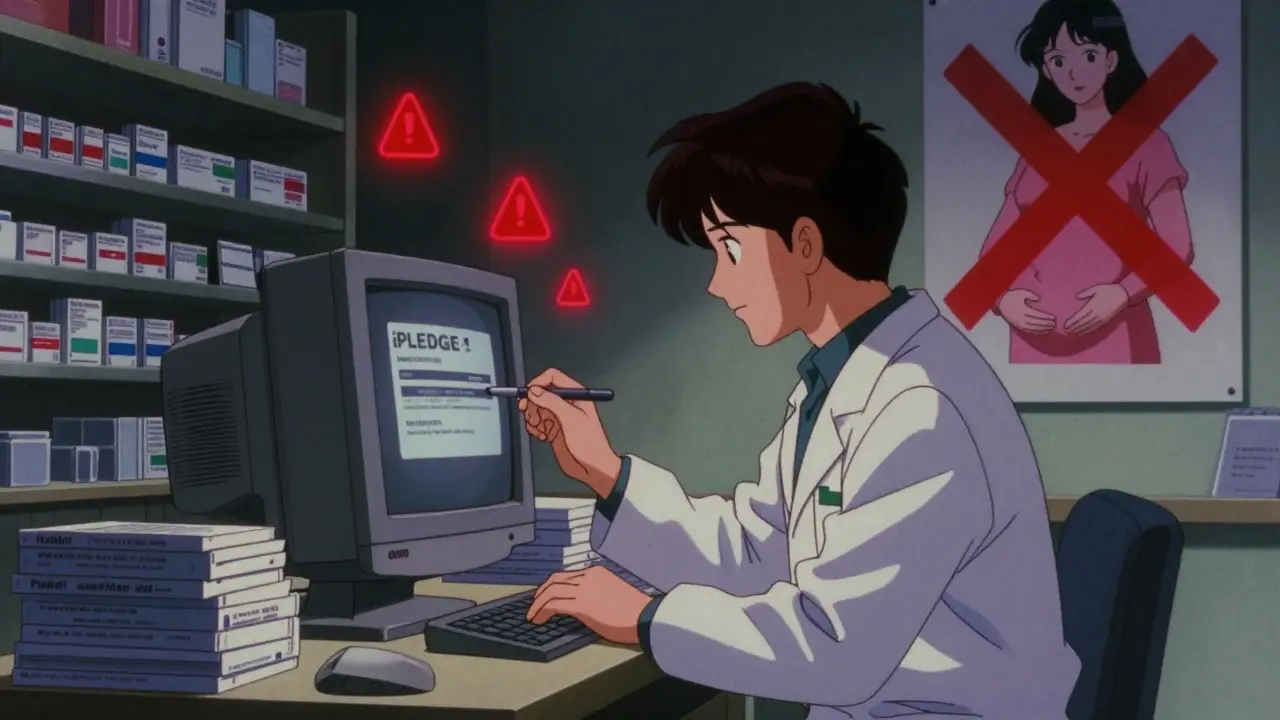
Pharmacists are hit hard too. Community pharmacies report spending 15-20 minutes per REMS prescription just to verify eligibility. In hospitals, that time adds up. One pharmacist on Reddit wrote: “I’ve had patients cry because their isotretinoin was delayed a week because the iPLEDGE portal was down.”
Is REMS Working? The Debate
Supporters say REMS has made the drug supply safer. Dr. Robert Temple, former FDA deputy director, called REMS “essential” for bringing critical therapies to patients who would otherwise have no options. He points to drugs like thalidomide and clozapine-both of which are now used safely because of REMS.
But critics argue that many REMS programs create more harm than good. Dr. Aaron Kesselheim of Harvard testified in 2021 that some REMS, like the one for extended-release opioids, added bureaucracy without reducing abuse. A 2019 study in JAMA Internal Medicine found REMS drugs took an average of 5.4 days longer to be prescribed than non-REMS drugs. For patients in rural areas or with limited mobility, that delay can be dangerous.
The FDA admits the system isn’t perfect. In 2022, former Acting Commissioner Dr. Janet Woodcock said, “Not all REMS programs have been equally effective.” Since then, the agency has started sunsetting programs. In August 2023, the FDA ended the REMS for thalidomide after 20 years-because better education and alternative controls made it unnecessary.
What’s Changing in REMS? The Future
The FDA is trying to fix the system. In 2023, they launched the REMS Integration Initiative, pushing 22 of the 78 active programs onto one shared digital platform. The goal? Cut down on the chaos of logging into 20 different systems just to prescribe one drug.
They’re also testing digital tools. Pilot programs are now using smartphone apps to monitor patients on anticoagulants, replacing in-person visits with real-time data from wearable devices. If it works, it could cut REMS delays by half.
But challenges remain. A joint FDA-PhRMA report from September 2023 found that 63% of REMS programs have no way to measure whether they actually improve safety. Without data, there’s no way to know if the delays, costs, and frustrations are worth it.
Looking ahead, Evaluate Pharma predicts that by 2027, nearly half of all new cancer drugs will need REMS. As drugs get more targeted-and more dangerous-REMS will only grow. The real question isn’t whether we need it. It’s whether we can make it smarter.
Are REMS programs only for brand-name drugs?
No. REMS applies to both brand-name and generic versions of the same drug. If a brand-name drug has a REMS, the generic version must follow the same rules. For example, if clozapine’s REMS requires weekly blood tests, every generic clozapine must also have that requirement.
Can a REMS program be removed?
Yes. The FDA can remove or modify a REMS if new evidence shows the risks are better managed without it. In August 2023, the FDA ended the REMS for thalidomide after 20 years, because education and alternative controls proved sufficient. The agency now requires sponsors to prove REMS is still necessary every few years.
Do patients have to pay extra for REMS drugs?
No, patients don’t pay directly for REMS. The cost is absorbed by the drug manufacturer. But delays caused by REMS-like waiting for lab results or prescriber certification-can lead to extra doctor visits or hospital stays, which may increase out-of-pocket costs.
Why do some REMS programs take so long to approve?
REMS proposals must be detailed, with evidence showing the risk is serious enough to justify the restrictions. The FDA reviews each one carefully, often asking for more data. For complex programs like iPLEDGE, the review can take over a year. The goal is to avoid overreach-making sure the program doesn’t block access more than it protects.
How do I know if a drug I’m prescribed has a REMS?
Your prescriber or pharmacist will tell you. The drug’s label will say “REMS Required,” and you’ll be given a Medication Guide. If you’re being asked to sign forms, enroll in a registry, or get lab tests beyond what’s normal, it’s likely a REMS drug. You can also check the FDA’s REMS website for a full list of active programs.




Milad Jawabra
4 March, 2026 16:39 PMThis is exactly why I hate how broken our healthcare system is. REMS sounds noble on paper, but in real life? It's a bureaucratic nightmare. I had a friend wait 18 days for her epilepsy med because some portal was down. Eighteen days. Her seizures got worse. The drug company gets paid millions, the FDA gets to pat themselves on the back, and the patient suffers. This isn't safety. This is performance art.
And don't even get me started on how pharmacists are drowning in paperwork. They're not just pharmacists anymore-they're compliance officers with stethoscopes.
Shivam Pawa
5 March, 2026 03:05 AMREMS programs are necessary but poorly implemented. The intention is good but execution is chaotic. Many doctors avoid prescribing REMS drugs because the system is fragmented. Digital integration is the only way forward. Without unified platforms, we're just adding friction to life-saving care.
Diane Croft
6 March, 2026 21:08 PMI work in oncology and I see this every day. REMS saves lives. No question. But the delays? They kill too. A week can mean the difference between remission and progression. We need smarter systems-not more forms.
Donna Zurick
7 March, 2026 18:31 PMI’ve been on a REMS drug for years. The first time it took 3 weeks to start. Now it’s 2 days. Progress is slow but real. The system is flawed but not broken. We can fix this without throwing it out.
Tobias Mösl
9 March, 2026 01:58 AMLet’s be real-REMS isn’t about safety. It’s about liability. Big Pharma knows if a patient dies on their drug, they get sued. So they build these insane hoops to say ‘we warned them.’ Meanwhile, patients get stuck in bureaucratic quicksand. The FDA is complicit. This isn’t regulation. It’s corporate insurance with a medical label.
tatiana verdesoto
9 March, 2026 19:29 PMI’m a nurse and I’ve seen both sides. I’ve had patients cry because their medication was delayed. I’ve also seen patients who would’ve died without the REMS controls. It’s messy. It’s frustrating. But I don’t think we can throw it out. We need to fix it-not cancel it.
Ethan Zeeb
10 March, 2026 08:43 AMThe real issue isn’t REMS. It’s that we let corporations design safety protocols. Who the hell lets the drug makers build the very system meant to regulate them? That’s like letting foxes design the chicken coop. The FDA should be running this-not Merck or Pfizer.
Darren Torpey
11 March, 2026 16:56 PMREMS is the medical equivalent of a 10-step IKEA manual for a spaceship. We’re over-engineering safety to the point where access becomes a luxury. Imagine if your life-saving insulin required you to pass a quiz, enroll in a registry, and get your doctor certified before you could fill it. Welcome to 2024. We need innovation-not red tape.
Lebogang kekana
13 March, 2026 08:26 AMIn South Africa we don’t even have REMS. We just rely on clinical judgment. Maybe the problem isn’t the drugs-it’s that we’ve lost trust in doctors. We’re outsourcing safety to paperwork because we don’t believe providers can make good calls anymore.
Jessica Chaloux
14 March, 2026 12:08 PMI just want to say… I cried when my mom finally got her clozapine after 11 days. She was so scared. I’m so tired of being a paperwork warrior for my family’s health. Someone needs to fix this.
Mariah Carle
16 March, 2026 05:22 AMREMS is the modern manifestation of our collective fear. We don’t trust nature, we don’t trust science, we don’t trust doctors… so we trust forms. A signature on a digital checkbox is our new talisman against death. How tragic. How absurd. How human.
Justin Rodriguez
17 March, 2026 00:21 AMI’ve reviewed REMS data for a research project. The data shows that for high-risk drugs like clozapine and thalidomide, adverse events dropped by over 80% after REMS implementation. The delays are real-but so is the saved life. We need better tech, not less oversight.
Megan Nayak
17 March, 2026 21:24 PMYou know what’s funny? The same people who scream about REMS delays are the ones who don’t want mandatory vaccination records or drug testing. You want safety when it’s convenient. But when it’s inconvenient? Suddenly it’s ‘authoritarian.’ Pick a side.
Tildi Fletes
19 March, 2026 13:06 PMThe structural inefficiencies inherent in the current REMS framework necessitate a paradigmatic reevaluation. The regulatory burden imposed upon healthcare professionals is disproportionate to the demonstrable risk mitigation achieved. A systems-based redesign, informed by human factors engineering and data analytics, is imperative.
Siri Elena
20 March, 2026 21:42 PMOh honey, you think this is bad? Wait till you see the REMS for the new Alzheimer’s drug coming out next year. You’ll need a PhD, a notarized letter from your priest, and a signed affidavit from your goldfish to get it. And don’t even think about using generics. They’re not even allowed to use the same portal. It’s like a Disney ride for bureaucracy.