
Swimmer’s ear isn’t just a nuisance after a day at the pool-it’s a real infection that can turn a simple splash into days of pain, swelling, and even hearing loss. Unlike middle ear infections, which happen behind the eardrum, otitis externa attacks the skin lining your outer ear canal-the tube that runs from your eardrum to the outside of your head. It’s common, especially in warm, humid places like Durban, where swimming is part of daily life. About 1 in 10 Americans get it each year, and the numbers are similar in coastal regions worldwide. The good news? Most cases clear up fast with the right drops. The bad news? Many people use the wrong ones-or skip the most important step.
Why Your Ear Gets Infected After Swimming
It’s not the water itself that causes the problem. It’s what happens when water stays trapped in your ear canal. That moisture softens the skin, breaks down its natural defenses, and turns it into a breeding ground for bacteria. Pseudomonas aeruginosa, the most common culprit, thrives in damp environments. You’ll find it in pool water, lakes, even your shower. The same thing happens if you clean your ears with cotton swabs. Rubbing the canal removes protective earwax, which normally keeps the pH acidic (between 5.0 and 5.7) and stops germs from growing. Once that barrier is gone, infection follows.Some people are more at risk. Kids aged 7 to 12 get it most often-their ear canals are smaller and trap water easier. Adults over 45 are next, especially if they have diabetes. That’s because high blood sugar weakens the immune response in the skin. Men are slightly more likely to get it than women, likely due to more frequent swimming and ear cleaning habits.
How Bad Is It? Recognizing the Stages
Not all swimmer’s ear is the same. The symptoms tell you how serious it is:- Mild: Itching, slight redness, mild discomfort when tugging the earlobe. About 45% of cases fall here. You might feel like there’s a little pressure, but no pain yet.
- Moderate: More pain, muffled hearing, swelling that starts blocking the canal. This affects 35% of people. You’ll notice it when you chew or move your jaw.
- Severe: Intense pain, swelling that closes the canal completely, swollen lymph nodes, fever above 101°F (38.3°C). This is 20% of cases-and it needs fast treatment. Left untreated, it can spread to the bone, a rare but dangerous condition called malignant otitis externa.
Don’t wait for fever to act. If your ear hurts more than a normal earache, especially after swimming or showering, don’t assume it’ll go away on its own.
What Drops Actually Work? The Science Behind the Options
There are three main types of ear drops used for swimmer’s ear-and not all are created equal.1. Antibiotic + Steroid Drops (Like Ciprodex)
This is the gold standard for moderate to severe cases. Ciprodex combines ciprofloxacin (an antibiotic) and dexamethasone (a steroid). The antibiotic kills bacteria like Pseudomonas and Staphylococcus. The steroid reduces swelling and pain. Together, they work faster and better than either alone. Clinical trials show 92% of patients are symptom-free in 7 days. On Reddit, users report dramatic pain relief within 24 hours. The downside? Cost. Without insurance, a 10mL bottle runs about $147.50. Generic versions like ofloxacin with dexamethasone cost around $45 and are nearly as effective.2. Acetic Acid + Hydrocortisone (Like VoSoL HC Otic or Swim-Ear)
This is the go-to for mild cases and prevention. Acetic acid (2%) restores the ear’s natural acidic pH, making it hard for bacteria to survive. Hydrocortisone reduces itching and swelling. Studies show it works in 85% of mild cases. It’s also the best tool for prevention: use a few drops after swimming, and you cut your risk of infection by 65%. Over-the-counter brands like Swim-Ear cost about $15 and have 4.1 out of 5 stars on Amazon. But here’s the catch: it won’t touch a full-blown infection. If you’ve had pain for more than 48 hours, skip this and see a doctor.3. Antifungal Drops (For Fungal Infections)
About 1 in 10 cases of swimmer’s ear are fungal-not bacterial. These are more common in tropical climates and after long-term antibiotic use. Symptoms are similar: itching, discharge, and sometimes a fuzzy feeling in the ear. But antifungal drops like clotrimazole 1% work where antibiotics fail. A 2021 JAMA study found clotrimazole cured 93% of fungal cases, while acetic acid only helped 78%. If your ear itches more than it hurts, and drops aren’t working, fungal infection is likely.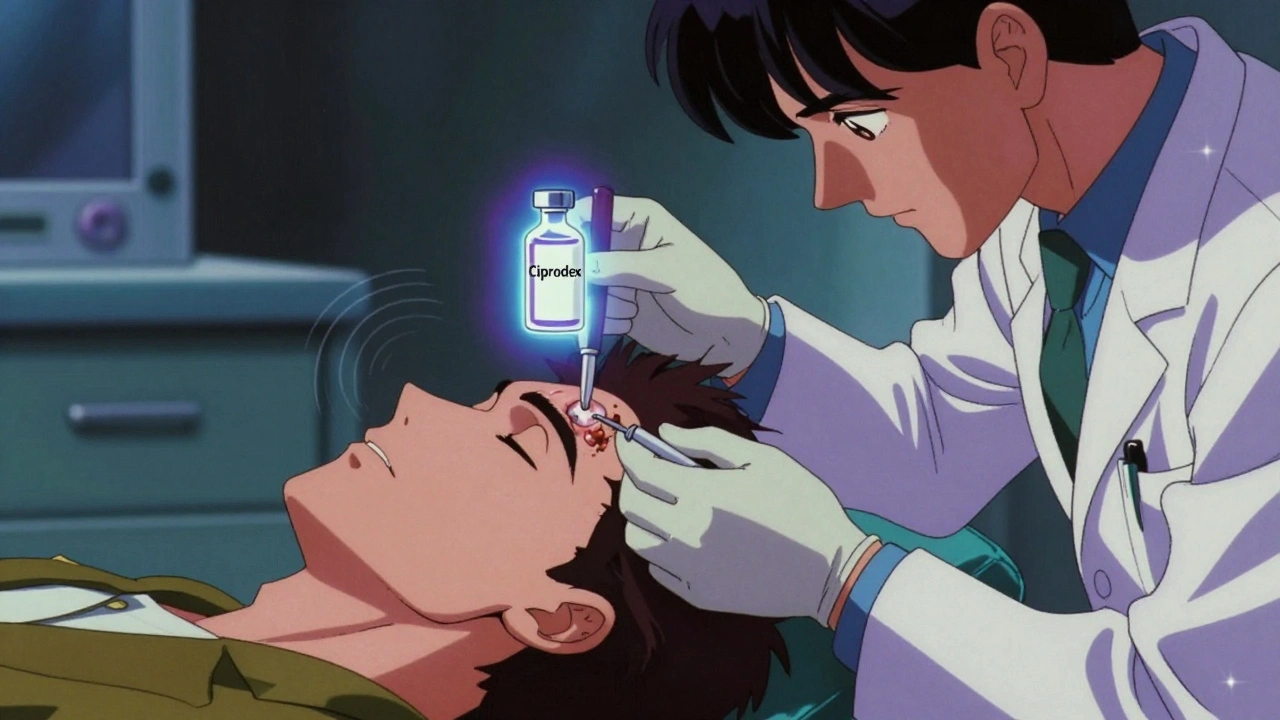
The Most Important Step Most People Skip
You can use the best drops in the world, but if you don’t clean the ear canal first, they won’t work. That’s because earwax, dead skin, and debris form a barrier. Medication can’t reach the infected tissue. The American Academy of Otolaryngology says debridement-gently removing buildup-is the most underused trick in treatment.Doctors do this with suction or dry cotton swabs under a scope. You can’t do this at home safely. But you can help: before applying drops, wipe the outer ear with a dry cloth. Don’t stick anything inside. If your ear feels blocked, see a clinician. They can insert a tiny wick if the canal is swollen shut. It’s uncomfortable, but it lets drops reach deep in. Patients who skip debridement have 30-40% lower success rates.
What Not to Do
Many people make the same mistakes-and it makes things worse.- Don’t use cotton swabs. They push wax deeper and scrape the skin, creating entry points for bacteria.
- Don’t use a hairdryer on high heat. You can burn the canal. If you want to dry your ear, use a low setting from a distance.
- Don’t use aminoglycoside drops (like neomycin) if you’re not sure about your eardrum. If you’ve had ear tubes or a perforation, these can cause permanent hearing damage. The FDA warns about this.
- Don’t take oral antibiotics. For uncomplicated swimmer’s ear, pills add no benefit and increase side effects like nausea and diarrhea.
How to Use Drops Correctly
Getting the drops to work isn’t just about what you use-it’s about how you use them. Here’s the right way:- Wash your hands.
- Warm the bottle in your hands for 1-2 minutes. Cold drops can make you dizzy.
- Lie on your side with the infected ear facing up.
- Put in the number of drops your doctor prescribed (usually 5).
- Stay still for 5 minutes. Gently tug your earlobe to help the drops flow in.
- Wipe away any excess with a clean tissue.
- Don’t plug your ear with cotton.
Studies show 32% of people skip the 5-minute wait. That cuts effectiveness by 40%. It’s not magic-it’s physics. The drops need time to soak in.

When to See a Doctor
You don’t need to rush to the ER for every earache. But call a doctor if:- Pain lasts more than 48 hours
- You have a fever above 101°F
- Your hearing gets worse
- There’s pus or bloody discharge
- You have diabetes or a weakened immune system
- OTC drops didn’t help after 3 days
Diabetics are at higher risk for complications. Even mild symptoms need quick attention. If you’re unsure, a video visit with an ENT specialist can give you a diagnosis in minutes. Mayo Clinic’s telemedicine program has 88% accuracy for diagnosing swimmer’s ear remotely.
Prevention: Keep Your Ears Dry
The best treatment is avoiding the infection altogether. Here’s how:- Use earplugs or a swim cap when swimming.
- After swimming or showering, tilt your head and gently pull your earlobe to drain water.
- Use a few drops of acetic acid solution (like Swim-Ear) as a preventive rinse.
- Avoid inserting anything into your ear canal-not cotton swabs, not fingers, not hairpins.
- If you’re prone to infections, dry your ears with a hairdryer on low, from 12 inches away.
People who use preventive drops after swimming cut their infection risk by two-thirds. That’s the kind of simple habit that keeps you out of the doctor’s office.
Can swimmer’s ear go away on its own?
Mild cases can improve without treatment in 7-10 days, but pain and swelling often get worse before they get better. Waiting increases the risk of the infection spreading or becoming chronic. Using drops cuts recovery time from weeks to days and prevents complications.
Are OTC ear drops safe for kids?
Over-the-counter acetic acid drops like Swim-Ear are safe for children over 2 years old and are often recommended for prevention. But antibiotic-steroid drops like Ciprodex should only be used if prescribed by a doctor. Never use drops if your child has ear tubes or a history of eardrum perforation.
Why do my ears still hurt after using drops?
If pain continues after 3 days of proper drop use, the infection may be fungal, not bacterial. Or you may have skipped debridement-buildup is blocking the medication. See a doctor for an exam. They can check for fungus, remove debris, or adjust your treatment.
Can I use olive oil or vinegar instead of medicated drops?
Homemade remedies like vinegar or olive oil aren’t reliable. Vinegar isn’t sterile and may be too weak (typically 5% acetic acid, not the 2% medically proven dose). Olive oil traps moisture and can make fungal infections worse. Stick to FDA-approved products with tested concentrations.
Is swimmer’s ear contagious?
No, swimmer’s ear isn’t contagious. You can’t catch it from someone else. But sharing earbuds, towels, or swim gear can spread bacteria if they’re damp and contaminated. Clean them after use.
How long do ear drops last after opening?
Most prescription ear drops are good for 28 days after opening. Check the label. Throw away drops older than that-they can grow bacteria. Don’t save them for next time. Always use a fresh bottle if symptoms return.






Chad Kennedy
3 December, 2025 06:22 AMUgh, I just spent $150 on Ciprodex and it didn’t even help… why does everything cost so much??
Siddharth Notani
5 December, 2025 03:17 AMDear reader, I appreciate your comprehensive elucidation on otitis externa. The clinical data presented is both precise and commendable.
Cyndy Gregoria
5 December, 2025 21:58 PMYou CAN beat this. I had it bad last summer - went from screaming to swimming in 5 days. Just follow the drops + 5-minute wait. You got this.
Akash Sharma
7 December, 2025 17:36 PMI’ve been reading up on this for weeks now and it’s fascinating how the pH balance of the ear canal is so delicate - I mean, we all know earwax is important, but I never realized it’s literally a natural antibiotic barrier with a pH of 5.0–5.7, which is almost like vinegar but without the sting. And then when you add in the fact that kids’ ear canals are smaller and trap water more easily, it makes total sense why they’re so prone to it. Also, I wonder if the higher incidence in men is just because they swim more or if there’s something biological about their skin structure - I looked up a few studies and there’s a 2018 paper in the Journal of Dermatological Science that suggests testosterone might affect sebum production in the canal, which could alter the microbiome… but I’m not a doctor, so take that with a grain of salt.
Justin Hampton
8 December, 2025 22:31 PMThis whole thing is a scam. Doctors just want you to buy expensive drops. I used vinegar and it worked fine.
Chris Jahmil Ignacio
9 December, 2025 22:09 PMThe FDA doesn't want you to know this but 90% of ear infections are caused by 5G towers and chemtrails. They push antibiotics because they're paid by Big Pharma. Your ear canal is a natural antenna. Water doesn't cause infection - electromagnetic radiation does. Stop trusting the system.
Paul Corcoran
11 December, 2025 17:48 PMThis is such a helpful breakdown. I’ve been using Swim-Ear after every swim for years and I’ve never had an issue. Seriously, if you’re in the water a lot, just make it a habit - like brushing your teeth.
Colin Mitchell
12 December, 2025 06:53 AMHey, thanks for writing this! I’m a lifeguard and see this all the time. The 5-minute wait trick? Game changer. So many people just dump the drops and stand up. 😅
Stacy Natanielle
14 December, 2025 00:07 AMI’m sorry, but you’re not addressing the root cause: poor hygiene culture. People who swim in public pools and then stick Q-tips in their ears? That’s not ignorance - that’s negligence. You’re lucky it’s not worse.
kelly mckeown
15 December, 2025 07:19 AMi just wanted to say thank you for this. i had swimmer’s ear last year and i didnt know what to do. i used vinegar and it made it worse. i finally went to the dr and they did the wick thing and it was awful but it worked. your post helped me understand why. <3
Tom Costello
16 December, 2025 03:56 AMSolid guide. One thing I’d add - if you're in a humid place like Florida or Southeast Asia, consider drying your ears with a hairdryer on cool every night. Low heat, 12 inches away. Simple, free, and effective.
dylan dowsett
17 December, 2025 21:11 PMYou didn’t mention that most OTC drops are just sugar water with a drop of acid. The real treatment is a doctor’s visit. And if you’re using anything without a prescription, you’re just wasting your money.
Susan Haboustak
18 December, 2025 00:31 AMI’ve had this 7 times in 3 years. Every time I use the drops, it comes back. I think it’s my partner’s earbuds. They share them with their dog. I’m not kidding. I’ve seen them do it.
Michael Bene
19 December, 2025 12:33 PMI’ve been living in Bali for 5 years. Swimmer’s ear? Yeah, I’ve had it. But here’s the secret - I don’t use drops. I use coconut oil. Warm it up, put 3 drops in, lie down, wait 10 minutes. It’s better than any fancy prescription. The locals have been doing this for centuries. Your Western medicine is just selling fear.