Imagine you have a sore throat. You see a doctor, and they prescribe amoxicillin, the standard, cheap, and effective antibiotic for strep throat. But then you mention that you are "allergic" to penicillin because you got a rash as a child. The doctor immediately changes the prescription to clindamycin or azithromycin-drugs that are more expensive, harder on your gut, and contribute to antibiotic resistance. This scenario happens millions of times a year. Here is the surprising truth: most people who believe they are allergic to penicillin actually aren't.
According to data from the Centers for Disease Control and Prevention (CDC), up to 90% of patients labeled with a penicillin allergy can safely take the drug if properly evaluated. Mislabeling doesn't just mean missing out on better drugs; it costs the healthcare system billions and puts patients at higher risk for dangerous infections like Clostridium difficile. Managing medication allergies isn't about avoiding every drug that ever made you feel sick-it's about distinguishing between true immune reactions and common side effects so you can get the best possible care.
Distinguishing True Allergies from Side Effects
The first step in managing any medication reaction is understanding what actually happened. In medical terms, a drug allergy is an immune system response where the body mistakenly identifies a harmless medication as a threat, triggering symptoms like hives, swelling, or breathing difficulties. This is different from a side effect, which is a predictable, non-immune reaction to a drug.
Think of it this way: if you take an antihistamine and feel drowsy, that is a side effect. Your body is reacting to the chemical properties of the drug, not attacking it. If you take a beta-blocker and develop a rash, that could be a mild allergic reaction or just irritation. However, if you take a penicillin derivative and your throat swells shut within minutes, that is a severe IgE-mediated allergic reaction. Understanding this difference is critical because only true allergies require strict avoidance and specialized testing.
- Side Effects: Nausea, diarrhea, drowsiness, headache, or dry mouth. These do not indicate an allergy and usually do not require changing medications permanently.
- Mild Allergic Reactions: Hives (raised, itchy welts), mild rash, or itching without difficulty breathing. These suggest an immune response but are rarely life-threatening.
- Severe Allergic Reactions (Anaphylaxis): Difficulty breathing, swelling of the lips/tongue/throat, drop in blood pressure, rapid pulse, or loss of consciousness. This is a medical emergency.
Many childhood rashes attributed to penicillin were actually viral exanthems-rashes caused by viruses like Epstein-Barr or measles that coincidentally appeared while the child was taking antibiotics. Because these rashes look similar to drug rashes, they often get mislabeled as allergies in permanent medical records. If your only history is a vague rash from decades ago, you likely do not have a true allergy.
The Penicillin Problem and Cross-Reactivity Myths
Penicillin is the most commonly reported drug allergy, affecting approximately 10% of the population. However, recent studies indicate that fewer than 1% of adults have a confirmed, true IgE-mediated penicillin allergy. The rest are either mislabeled or have developed tolerance over time. This mislabeling creates a cascade of problems. When doctors avoid penicillin, they often turn to broader-spectrum antibiotics like fluoroquinolones or macrolides. These alternatives are not only more expensive-azithromycin averages nearly $26 for a course compared to $4 for penicillin-but they also kill beneficial bacteria in your gut, increasing the risk of resistant superbugs.
A major source of confusion is cross-reactivity. For years, doctors believed that if you were allergic to penicillin, you should avoid all cephalosporins (like ceftriaxone) due to structural similarities. Modern research has debunked this blanket rule. The CDC notes that the cross-reactivity risk between penicillins and third-generation cephalosporins is extremely low-less than 1%. Unless you had a severe anaphylactic reaction to penicillin, you can often safely take certain cephalosporins. This nuance is why self-diagnosis is dangerous and professional evaluation is necessary.
| Antibiotic Class | Common Examples | Cross-Reactivity Risk | Typical Cost (5-day course) | Best Used For |
|---|---|---|---|---|
| Penicillins | Amoxicillin, Ampicillin | N/A (Primary allergen) | $4 - $10 | Strep throat, ear infections, syphilis |
| Cephalosporins (3rd Gen) | Ceftriaxone, Cefdinir | Very Low (<1%) | $15 - $30 | Respiratory infections, UTIs |
| Macrolides | Azithromycin, Clarithromycin | None | $25 - $40 | Pneumonia, skin infections |
| Fluoroquinolones | Levofloxacin, Moxifloxacin | None | $30 - $50 | Complex UTIs, sinusitis |
| Tetracyclines | Doxycycline | None | $10 - $20 | Lyme disease, acne, chlamydia |
Diagnostic Methods: Skin Testing and Oral Challenges
If you suspect a drug allergy, the gold standard for verification is seeing an allergist. They don't just guess; they use precise diagnostic tools. The two main methods are skin testing and oral drug challenges.
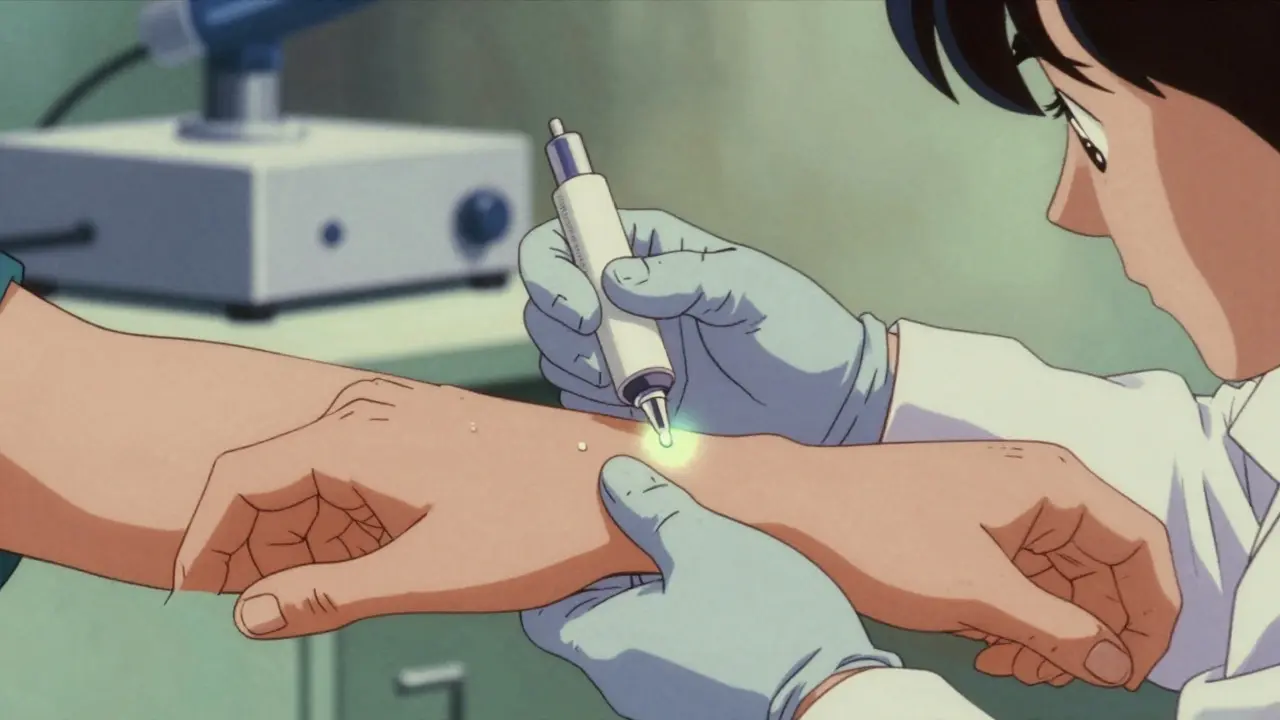
Skin Testing: Similar to allergy tests for pollen or peanuts, this involves introducing tiny amounts of the drug into the skin. For penicillin, allergists test for both major determinants (benzylpenicilloyl polylysine) and minor determinants (benzylpenicillin G). A negative skin test is highly predictive-meaning if the test is negative, you have a less than 1% chance of having a true allergy. This test takes about 30-45 minutes and provides immediate answers.
Oral Drug Challenge: If skin tests are negative but the history is unclear, or if skin testing isn't available, doctors may perform a supervised oral challenge. You take small, increasing doses of the medication under medical observation. If you tolerate the full therapeutic dose without reaction, the allergy label is removed from your record. Studies show that over 95% of patients who undergo this process tolerate the drug safely.
It is crucial to note that these tests should only be performed in settings equipped to handle anaphylaxis. Do not attempt to "test" yourself at home by taking a small pill. Anaphylaxis can occur rapidly and requires epinephrine and emergency care.
Treatment Protocols for Acute Reactions
If you experience a reaction after taking a medication, your actions depend entirely on the severity. Knowing the difference can save your life.
- Mild Symptoms (Rash, Itching): Stop the medication immediately. Contact your doctor. They may prescribe antihistamines like diphenhydramine (Benadryl) to reduce itching and swelling. Monitor closely for any worsening symptoms.
- Moderate Symptoms (Widespread Hives, Mild Swelling): Seek urgent medical care. Doctors may administer corticosteroids (oral or injected) to calm the immune response and prevent progression.
- Severe Symptoms (Anaphylaxis): This includes trouble breathing, throat tightness, dizziness, or vomiting. Call emergency services immediately. If you have an epinephrine auto-injector (EpiPen), use it right away. Epinephrine is the first-line treatment for anaphylaxis because it reverses airway swelling and supports blood pressure. Go to the hospital even if you feel better after the shot, as symptoms can rebound.
After any reaction, proper documentation is vital. According to National Institute for Health and Care Excellence (NICE) guidelines, your record should include the specific drug name, the reaction description, the date, and the number of doses taken before the reaction. Vague labels like "penicillin allergy" without context are dangerous because they force future doctors to make conservative, suboptimal choices.

Drug Desensitization: When There Is No Alternative
What if you have a confirmed severe allergy, but the only drug that will cure your condition is the one you are allergic to? This happens frequently in cases of neurosyphilis, pregnant women with syphilis, or certain types of cancer chemotherapy. In these scenarios, doctors use a technique called drug desensitization is a controlled medical procedure where a patient is gradually exposed to increasing doses of an allergenic drug until they can tolerate the full therapeutic dose.
Desensitization does not cure the allergy; it temporarily tricks the immune system into accepting the drug. The process starts with microscopic doses and increases every 15-30 minutes over several hours. Success rates exceed 80% for penicillin when performed by experienced allergists in monitored environments. Once the treatment course is finished, the tolerance wears off, and the patient becomes allergic again. This is a high-risk procedure reserved for situations where no safe alternative exists.
Practical Steps for Patients
You play a huge role in managing your own medication safety. Here is how to take control:
- Carry a Wallet Card: List your confirmed allergies, the specific reaction you had, and the date. Include your allergist's contact information.
- Update Your Records: If you have been tested and cleared of an allergy, ensure this is updated in your primary care provider's electronic health record (EHR). Unfortunately, EHR systems often fail to transfer allergy updates between hospitals, so you must advocate for yourself.
- Question Old Labels: If your allergy was diagnosed more than 10 years ago, especially in childhood, ask your doctor about re-evaluation. Many allergies fade over time.
- Use Reliable Resources: The American Academy of Allergy, Asthma & Immunology offers a "Find an Allergist" tool to locate board-certified specialists near you.
By moving beyond vague fear and embracing precise diagnosis, you protect your health and help combat the global crisis of antibiotic resistance. Don't let an outdated label limit your treatment options today.
How long does a drug allergy last?
Most drug allergies, particularly IgE-mediated ones like penicillin, tend to fade over time. Approximately 80% of people lose their penicillin allergy within 10 years. However, T-cell mediated reactions (like delayed rashes) may persist longer. This is why re-evaluation through skin testing is recommended for anyone with an allergy label older than 10 years.
Can I take cephalosporins if I am allergic to penicillin?
In many cases, yes. The cross-reactivity between penicillins and third-generation cephalosporins (like ceftriaxone) is very low, estimated at less than 1%. Unless you have a history of severe anaphylaxis to penicillin, an allergist may determine it is safe to take certain cephalosporins. Always consult an expert before trying this.
What is the difference between a side effect and an allergy?
A side effect is a predictable, non-immune response to a drug, such as nausea from opioids or drowsiness from antihistamines. An allergy is an unpredictable immune system reaction where your body attacks the drug, causing symptoms like hives, swelling, or breathing difficulties. Side effects do not indicate an allergy and usually do not require avoiding the entire drug class.
Is drug desensitization permanent?
No, drug desensitization is temporary. It allows you to receive a necessary medication during a specific treatment course by gradually exposing your immune system to the drug. Once the treatment stops and the drug leaves your system, your allergy returns. You would need to undergo desensitization again if you require the same drug in the future.
Why is accurate allergy documentation important?
Accurate documentation ensures you receive the most effective and least toxic treatments. Mislabeling leads to the use of broader-spectrum antibiotics, which are more expensive, have more side effects, and contribute to antibiotic resistance. It also increases the risk of serious infections like Clostridium difficile. Clear records help doctors make safer, faster decisions in emergencies.