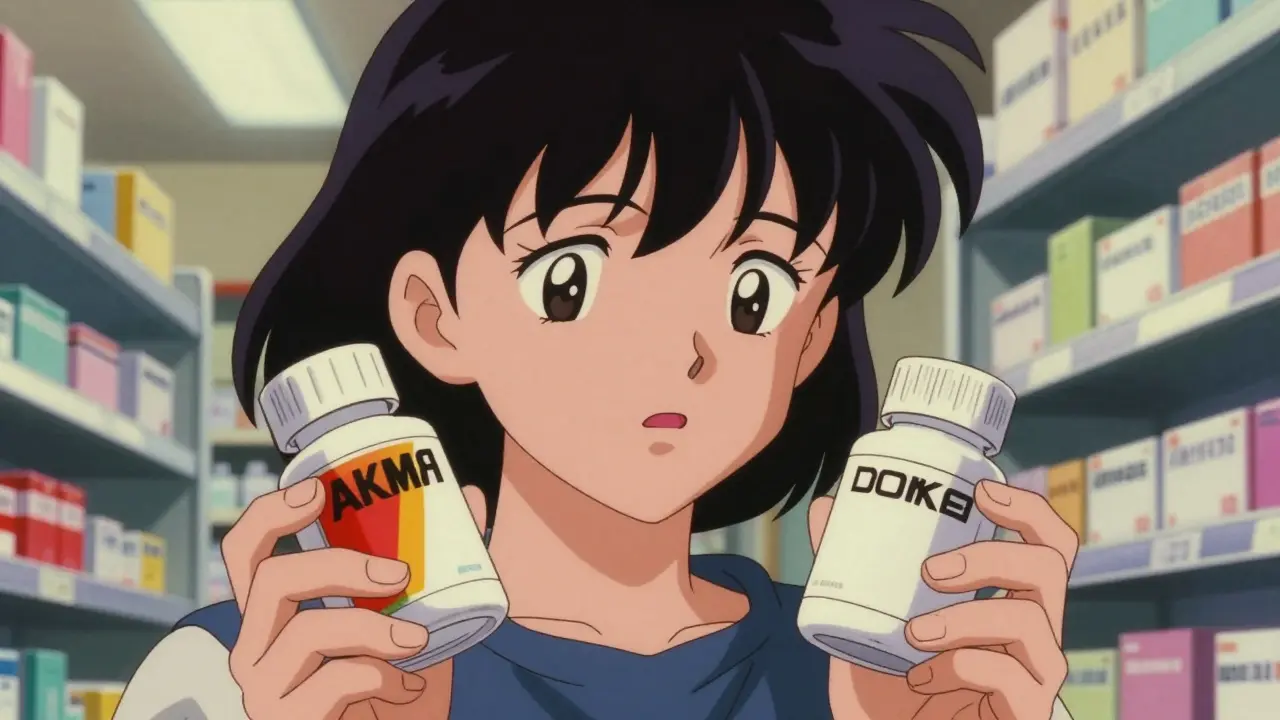
Imagine walking into your pharmacy and finding that the exact same medicine you’ve been taking for years is suddenly available for $20 less. You pick it up, check the label, and notice the familiar brand name is gone. The pill looks identical. The ingredients are identical. But something feels off. Is this a cheaper copy? A risky shortcut? Or just a different label on the same reliable drug?
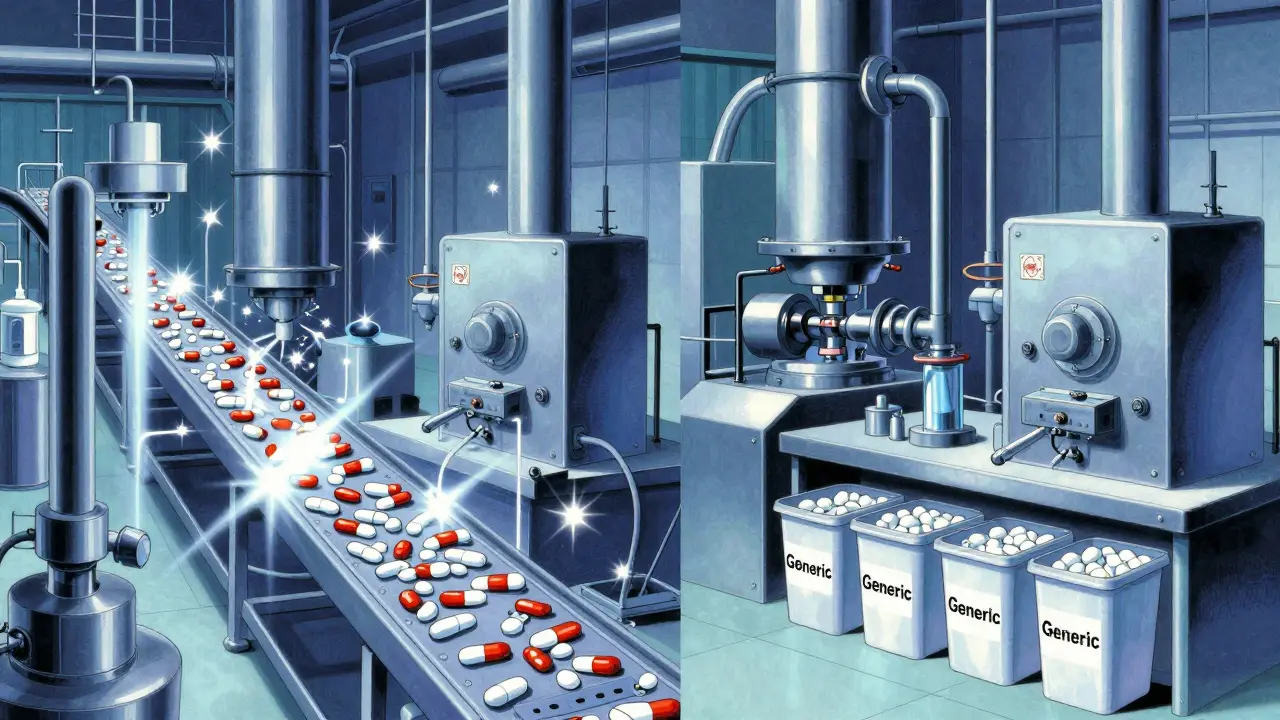
This scenario plays out for thousands of patients every month when they switch from a brand-name drug to an authorized generic (AG), which is a pharmaceutical product identical in formulation to its brand-name counterpart but marketed without the brand name label, typically at a lower price point. Unlike traditional generics made by third-party manufacturers, authorized generics come directly from the original brand manufacturer. They use the same factory, the same recipe, and the same quality controls. The only thing missing is the expensive marketing logo on the box.
What Exactly Is an Authorized Generic?
To understand why these drugs exist, you have to look at how pharmaceutical patents work. When a company develops a new drug, they get exclusive rights to sell it for a set period-usually around 20 years. During this time, no one else can make or sell that specific medication. This protects their investment in research and development, but it also keeps prices high.
Once the patent expires, other companies can step in. Under the Hatch-Waxman Act, formally known as Drug Price Competition and Patent Term Restoration Act of 1984, which is U.S. legislation that streamlined the approval process for generic drugs while providing patent term restoration for innovator drugs. passed in 1984, the first generic competitor gets a 180-day head start called "marketing exclusivity." During those six months, they are often the only generic option on the shelf.
Here’s where the brand company finds a loophole. Instead of waiting for the exclusivity period to end, the brand manufacturer can choose to sell their own drug under a generic label. Because they already hold the New Drug Application (NDA)-the FDA approval document for the brand-they don’t need to go through the lengthy Abbreviated New Drug Application (ANDA) process required for traditional generics. They simply repackage their existing product, strip the brand name, and drop the price. This creates immediate competition during that protected 180-day window, forcing prices down faster than the market would naturally allow.
Authorized Generic vs. Traditional Generic: What’s the Difference?
If you’re standing in the pharmacy aisle, the difference might seem invisible. Both options cost significantly less than the brand name. However, the manufacturing story behind them is quite different.
| Feature | Brand-Name Drug | Authorized Generic (AG) | Traditional Generic |
|---|---|---|---|
| Manufacturer | Original Brand Company | Original Brand Company | Third-Party Manufacturer |
| Active Ingredients | Proprietary Formula | Identical to Brand | Must be Bioequivalent to Brand |
| Inactive Ingredients | Proprietary Formula | Identical to Brand | May Differ (fillers, dyes) |
| FDA Approval Path | New Drug Application (NDA) | Covers under Original NDA | Abbreviated New Drug Application (ANDA) |
| Pill Appearance | Unique Shape/Color | Often Identical to Brand | Usually Different Shape/Color |
| Price Impact | Highest Cost | Lower Cost (8-18% reduction) | Lowest Cost (after full competition) |
The key takeaway here is consistency. If you have sensitive allergies to certain fillers or dyes used in the brand-name version, an authorized generic is safer because it uses the exact same inactive ingredients. A traditional generic must prove it works the same way in the body (bioequivalence), but it doesn’t have to use the same excipients. For most people, this doesn’t matter. But if you’ve ever had a reaction to a specific generic pill, sticking with the authorized version eliminates that variable entirely.
Why Switch? The Financial Reality
Let’s talk numbers. Why do insurance companies and pharmacists push these switches so aggressively? It comes down to simple economics. According to data analyzed by the Federal Trade Commission (FTC), the introduction of an authorized generic typically drives retail prices down by 4% to 8% immediately. Wholesale prices drop even harder, between 7% and 14%.
For a patient paying out-of-pocket, this isn’t just pennies on the dollar. In Medicare Part D plans, switching to an authorized generic can save an average of $15 to $30 per prescription. Over a year, that’s nearly $400 back in your pocket for the exact same therapeutic effect. Insurance plans love this because it lowers their overall costs, allowing them to keep premiums stable. When you see a notification that your medication has been substituted, it’s usually because your insurer has flagged the authorized generic as a preferred tier.
But there’s a strategic side to this too. Brand companies aren’t doing this out of pure charity. By launching an authorized generic during the 180-day exclusivity period, they capture a significant chunk of the market share before traditional generics flood the scene. Studies show that authorized generics can capture 30% to 40% of the generic market share for a given drug. It’s a smart business move that happens to benefit the consumer in the short term.
Practical Steps for Making the Switch
Deciding to switch is easy; executing it smoothly requires a bit of homework. Here is how to navigate the transition without confusion or anxiety.
- Verify the Source: Not all generics are created equal. Before accepting a substitution, confirm the drug is indeed an authorized generic. You can check the FDA’s quarterly updated list of authorized generics online. If your pharmacist says it’s an AG, ask them to confirm the manufacturer matches the original brand company.
- Check Your Insurance Formulary: Most health plans automatically substitute authorized generics when available. However, some specialty medications require prior authorization. Call your insurer’s member services line and ask: "Does my plan cover the authorized generic version of [Drug Name] at the same copay level as the brand?" Usually, the answer is yes, but it’s worth confirming to avoid surprise bills.
- Prepare for Visual Changes: While the chemical composition is identical, the packaging will look different. The box won’t have the big, bold brand logo. It might look plainer. Some authorized generics even change the color or shape of the pill slightly to distinguish them from the brand version, though many remain visually identical. Don’t panic if the pill looks different; the active ingredient is unchanged.
- Monitor Your Body: Even though the formulation is identical, your body can sometimes react to subtle changes in absorption rates due to minor differences in manufacturing batches. Keep a simple log for the first two weeks after switching. Note any changes in efficacy or side effects. If you feel worse, contact your doctor immediately. In rare cases, a patient may need to stay on the brand version for medical reasons, and your doctor can override the automatic substitution.
- Communicate with Your Pharmacist: Pharmacists are your best allies here. If you’re confused about why your prescription changed, ask them to explain the difference between the authorized generic and a traditional generic. A good pharmacist will spend 15-20 minutes counseling you on what to expect, ensuring you understand that the safety profile remains intact.
Common Concerns and Myths Debunked
Despite the evidence, skepticism lingers. Let’s address the most common worries patients bring to the counter.
"Is it really the same drug?" Yes. An authorized generic is manufactured in the same facility using the same processes as the brand-name drug. It falls under the same New Drug Application (NDA). There is no separate bioequivalence testing required because it *is* the reference standard. Think of it like buying store-brand soda that is actually brewed by the same company that makes the famous cola-it’s the same liquid, just in a different bottle.
"Will my insurance deny coverage?" Unlikely. In fact, the opposite is true. Insurance companies prefer authorized generics because they are cheaper. About 80% to 90% of prescriptions are automatically switched to the authorized generic when available. If your plan denies coverage, it’s likely due to a formulary restriction rather than the nature of the drug itself. Appeal the decision by citing the therapeutic equivalence.
"Are authorized generics anti-competitive?" This is a valid debate among regulators. Critics argue that brand companies use authorized generics to block traditional competitors during the 180-day exclusivity period, potentially slowing down the entry of cheaper traditional generics later. The FTC noted in 2011 that while AGs lower initial prices, their long-term impact on generic competition is complex. However, for the individual patient standing in the pharmacy today, the immediate benefit is clear: lower prices and identical quality. The broader market dynamics don’t change the fact that you’re getting a safe, effective, and cheaper medication right now.
When to Stick with the Brand
While authorized generics are excellent options for most, there are exceptions. Narrow therapeutic index (NTI) drugs-medications where small changes in blood concentration can lead to serious side effects or loss of efficacy-require extra caution. Examples include warfarin (blood thinner), levothyroxine (thyroid hormone), and certain anti-seizure medications like phenytoin.
For NTI drugs, even tiny variations in inactive ingredients or manufacturing processes can matter. Although authorized generics are chemically identical to the brand, some doctors prefer patients stay on the exact same manufacturer and batch source to minimize any theoretical risk. If you are on an NTI drug, discuss the switch with your specialist before agreeing to the substitution. They may write "Dispense As Written" (DAW) on your prescription to ensure you receive the brand or a specific trusted generic.
The Future of Authorized Generics
The landscape is shifting. With more biologic drugs losing patent protection, we are seeing the rise of authorized versions of complex biologics, similar to how small-molecule drugs evolved. The FDA has updated its notification requirements to increase transparency, making it easier for patients and providers to identify these products. Pharmacy management systems now automatically flag authorized generics, alerting pharmacists and patients during the dispensing process.
As healthcare costs continue to rise, authorized generics offer a pragmatic middle ground. They provide the reliability of the brand manufacturer with the affordability of the generic market. For savvy consumers, understanding this category empowers you to make informed decisions about your health and your wallet.
Can I request an authorized generic instead of a traditional generic?
Yes, you can request an authorized generic, but it depends on your insurance plan and pharmacy stock. Since authorized generics are supplied by the brand manufacturer, they may not always be available in every pharmacy. If you specifically want the authorized version due to sensitivity concerns, ask your doctor to specify the manufacturer on the prescription. However, be aware that your insurance may charge a higher copay for a specific manufacturer preference.
Do authorized generics expire sooner than brand-name drugs?
No. Authorized generics have the same expiration dates and stability profiles as the brand-name drugs because they are produced in the same facilities using the same materials. The expiration date is determined by the manufacturing batch and storage conditions, not by the label type.
How do I know if my current medication has an authorized generic version?
You can check the FDA’s official list of authorized generics, which is updated quarterly. Additionally, your pharmacist can tell you if an authorized generic is available for your prescription. Many pharmacy apps and insurance portals also indicate when a substitution to an authorized generic is possible.
Are authorized generics covered by Medicare Part D?
Yes, authorized generics are widely covered by Medicare Part D plans. In fact, many plans encourage the switch to authorized generics to reduce costs for beneficiaries. Data shows that approximately 78% of Medicare beneficiaries are automatically switched to authorized generics when available due to formulary requirements.
Why does the pill look different if it’s the same drug?
While the active ingredients are identical, the appearance of the pill can vary. Sometimes the authorized generic maintains the exact same look as the brand, but often it may differ in color, shape, or imprint to distinguish it legally from the branded product. These cosmetic changes do not affect the drug’s safety, efficacy, or performance in the body.