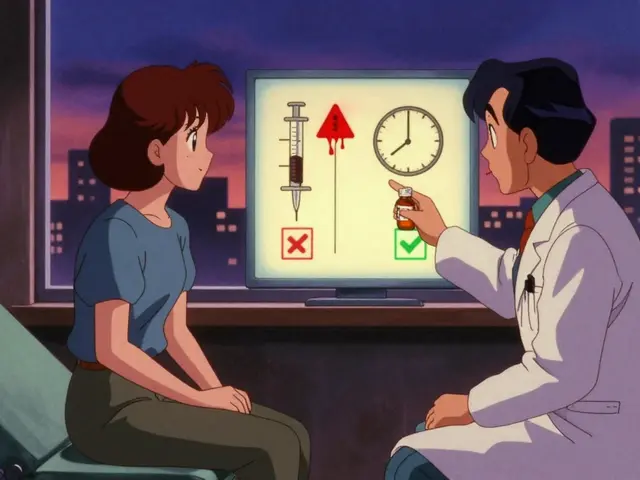
Imagine finding out you have a virus that has been quietly affecting your liver for years. For millions of people worldwide, this is the reality of Hepatitis B, a viral infection that can lead to serious liver disease if left unchecked. The good news? We’ve come a long way since the virus was first identified in the 1960s by Dr. Baruch Blumberg. Today, we have powerful tools to manage the infection, prevent transmission, and even stop it before it starts through vaccination.
If you or someone you care about is dealing with Hepatitis B, understanding the landscape of chronic infection, modern antiviral treatments, and prevention strategies is crucial. This guide breaks down what you need to know based on the latest medical guidelines from 2024 and 2025, helping you navigate conversations with healthcare providers and make informed decisions about your health.
Understanding Chronic Hepatitis B Infection
Not everyone who catches Hepatitis B gets sick long-term. Your body often clears the virus on its own within six months. However, when the hepatitis B surface antigen (HBsAg) stays in your blood for more than six months, it’s classified as a chronic Hepatitis B infection. This isn’t just a minor issue; chronic infection can silently progress to liver cirrhosis (scarring) or hepatocellular carcinoma (liver cancer) over decades.
The World Health Organization (WHO) estimates that around 296 million people were living with chronic HBV in 2019, leading to approximately 820,000 deaths annually. That’s a staggering number, but it highlights why early detection and management are so vital. In many cases, people don’t feel symptoms until significant liver damage has occurred. This “silent” nature is why regular screening is essential, especially for those born in regions with high HBV prevalence, such as parts of Asia and Africa, or for individuals exposed to infected blood or bodily fluids.
Diagnosing chronic Hepatitis B involves several key tests:
- HBsAg (Hepatitis B Surface Antigen): Indicates current infection.
- HBV DNA: Measures the amount of virus in your blood (viral load).
- ALT (Alanine Aminotransferase): A liver enzyme that rises when liver cells are inflamed or damaged.
- Fibrosis Assessment: Checks for scarring using non-invasive methods like FibroScan or blood tests, rather than always requiring a biopsy.
When Is Treatment Necessary?
You might wonder, “Do I need medication right away?” The answer depends on several factors. Medical guidelines have evolved significantly, moving toward earlier and broader treatment eligibility to prevent long-term complications.
The 2024 WHO Guidelines represent a major shift. They recommend antiviral therapy for all adults with an HBV DNA level ≥2,000 IU/mL, regardless of their ALT levels or stage of fibrosis. This simplifies decision-making and aims to reduce the global burden of liver disease by treating more people sooner.
Other guidelines offer slightly different thresholds but share the same goal:
- AASLD 2018 (Updated 2025 context): Recommends treatment for HBeAg-positive patients with HBV DNA >20,000 IU/mL and elevated ALT, or for anyone with significant fibrosis/cirrhosis.
- SABA 2022 Algorithm: Suggests treatment for HBeAg-positive patients aged 30 or older with HBV DNA >2,000 IU/mL, even if ALT is normal.
If you have compensated cirrhosis (scarring without liver failure), treatment is recommended for everyone, no matter the viral load. If you have decompensated cirrhosis (liver failure symptoms), immediate oral antiviral treatment is critical, along with evaluation for a liver transplant.
First-Line Antiviral Medications
When treatment is needed, the goal is to suppress viral replication, reduce liver inflammation, and prevent progression to cirrhosis or cancer. There are two main classes of drugs: nucleos(t)ide analogs (oral pills) and pegylated interferon (injections). Oral medications are generally preferred due to ease of use and fewer side effects.
The three primary first-line antiviral therapies are:
- Tenofovir Disoproxil Fumarate (TDF): Highly effective at suppressing the virus, but long-term use can affect kidney function and bone density.
- Entecavir (ETV): Another potent option with a strong barrier to resistance, suitable for most patients.
- Tenofovir Alafenamide (TAF): Marketed as Vemlidy, this newer formulation is now considered a preferred first-line therapy by five major guidelines, including AASLD and EASL.
Why is TAF gaining popularity? Clinical trials show it provides comparable viral suppression to TDF but with improved safety profiles for kidneys and bones. Studies indicate that switching from TDF to TAF can improve proteinuria (protein in urine) and bone mineral density within the first 24 weeks. This makes TAF an excellent choice for older adults or those with pre-existing renal or bone concerns.
| Medication | Form | Key Benefit | Considerations |
|---|---|---|---|
| Tenofovir Disoproxil Fumarate (TDF) | Oral Pill | Highly effective, low resistance | Monitor kidney function and bone density |
| Tenofovir Alafenamide (TAF) | Oral Pill | Better renal/bone safety than TDF | Higher cost in some regions |
| Entecavir (ETV) | Oral Pill | Strong efficacy, well-tolerated | Must be taken on an empty stomach |
| Pegylated Interferon (PEG-IFN) | Injection | Finite duration (48 weeks), potential for functional cure | Significant side effects (flu-like symptoms, mood changes) |

Vaccination: Prevention Is Key
While treatment manages existing infection, vaccination prevents new ones. The Hepatitis B vaccine is one of the safest and most effective vaccines available. It’s part of routine childhood immunization programs in most countries, including South Africa.
The standard schedule involves three doses given over six months. Adults who were not vaccinated as children should also get vaccinated, especially if they are at higher risk due to occupation (healthcare workers), lifestyle (multiple sexual partners, IV drug use), or travel to high-prevalence areas.
What if you’re already infected? The vaccine won’t help clear the virus, but it’s still important for protecting your liver from additional strains and preventing reinfection after a potential cure. Moreover, vaccinating close contacts (family members, sexual partners) is crucial to stop the spread within households.
Post-exposure prophylaxis (PEP) is another critical tool. If you’re unvaccinated and exposed to infected blood or bodily fluids, receiving both the Hepatitis B Immune Globulin (HBIG) and the first vaccine dose within 24 hours is highly effective at preventing infection. Don’t wait-time is of the essence.
Special Populations and Co-Infections
Hepatitis B doesn’t exist in a vacuum. Many patients have co-infections or specific conditions that require tailored approaches.
HIV-HBV Co-infection: The 2025 guidelines strongly recommend that all HIV-HBV co-infected patients start HIV treatment with HBV-active antivirals immediately upon diagnosis, regardless of CD4+ count. Drugs like TDF or TAF treat both viruses simultaneously, simplifying regimens and improving outcomes.
Hepatitis D Virus (HDV): HDV only replicates in the presence of HBV. Recent consensus recommends reflex HDV testing for all HBsAg-positive individuals. If HDV is present, treatment becomes more complex, often involving pegylated interferon, though new direct-acting antivirals are in development.
Pregnancy: Preventing mother-to-child transmission is a major public health success story. For pregnant women with high viral loads (HBV DNA ≥5.3 log10 IU/mL), starting tenofovir at week 28 of pregnancy, combined with vaccinating the newborn within 12 hours of birth, reduces transmission risk to less than 1%.

Living with Chronic Hepatitis B: Monitoring and Lifestyle
Starting medication is just the beginning. Living with chronic Hepatitis B requires ongoing monitoring and healthy lifestyle choices.
Your healthcare provider will likely schedule visits every six months to check:
- Viral Load (HBV DNA): To ensure the virus remains suppressed.
- Liver Function Tests (ALT/AST): To monitor for inflammation.
- Renal Function: Especially if taking TDF, to watch for kidney issues.
- Alpha-fetoprotein (AFP) and Ultrasound: Regular screening for liver cancer, typically every 6 months for those at high risk (cirrhosis, family history, Asian/African descent).
Lifestyle matters too. Avoid alcohol completely, as it accelerates liver damage. Maintain a healthy weight to prevent fatty liver disease, which can compound HBV-related injury. Be cautious with over-the-counter medications and supplements, as some can be toxic to the liver. Always consult your doctor before starting any new regimen.
Adherence to medication is non-negotiable. Skipping doses can lead to viral rebound and drug resistance. Set reminders, use pill organizers, and integrate medication into your daily routine. Remember, these treatments are usually long-term, potentially lifelong, but they dramatically improve quality of life and survival rates.
The Future of Hepatitis B Care
We’re on the cusp of exciting developments. While current treatments suppress the virus, they rarely eliminate it entirely because HBV hides in the liver cells as covalently closed circular DNA (cccDNA). Researchers are working hard to target this reservoir.
At least 15 novel compounds are currently in clinical trials, aiming for a “functional cure”-defined as loss of HBsAg with undetectable HBV DNA after stopping treatment. Experts predict that by 2030, combination therapies targeting multiple steps of the viral lifecycle could achieve functional cures for 30-40% of patients. Until then, sticking to proven antivirals and staying up-to-date with guidelines is the best strategy.
Stigma reduction is also a priority. The 2025 guidelines emphasize patient education and mandatory HBV training for primary care providers. Understanding that Hepatitis B is manageable, not a death sentence, empowers patients to seek care early and live full lives.
Can Hepatitis B be cured completely?
Currently, there is no complete cure that eradicates the virus entirely from the body. However, antiviral medications can effectively suppress the virus to undetectable levels, preventing liver damage and allowing patients to live healthy, normal lives. Research is ongoing for functional cures, where the virus is controlled without continuous medication.
Is the Hepatitis B vaccine safe for adults?
Yes, the Hepatitis B vaccine is very safe for adults. Common side effects are mild, such as soreness at the injection site or slight fatigue. Serious allergic reactions are extremely rare. It is recommended for all unvaccinated adults, especially those at higher risk of exposure.
How often do I need to see a doctor if I have chronic Hepatitis B?
If you are not on treatment, you should see a specialist every 6 to 12 months for monitoring. If you are on antiviral therapy, you’ll typically visit every 3 to 6 months initially to check viral load and liver function, then possibly every 6 months once stable. Regular ultrasound and AFP blood tests for liver cancer screening are also required every 6 months for high-risk individuals.
Can I transmit Hepatitis B to my family if I’m on medication?
Antiviral medications significantly reduce the amount of virus in your blood, lowering the risk of transmission. However, they don’t eliminate it entirely. Your family members and sexual partners should be tested and vaccinated if they are not immune. Using protection during sex and avoiding sharing personal items like razors or toothbrushes is also important.
What are the side effects of Tenofovir Alafenamide (TAF)?
TAF is generally well-tolerated. Some people may experience mild nausea, headache, or fatigue. Unlike older versions of tenofovir, TAF has a much lower risk of affecting kidney function or bone density. However, it may slightly increase cholesterol levels in some patients, so lipid profiles are sometimes monitored.