When a new product hits the market, you’d expect it to be expensive. That’s how companies recoup development costs, right? But here’s the twist: the very first time a competitor releases a direct alternative to a popular product, prices don’t just dip-they crash. And it’s not random. It’s a pattern, repeated across industries, and it’s happening faster than ever.
What Exactly Is a First Generic Entry?
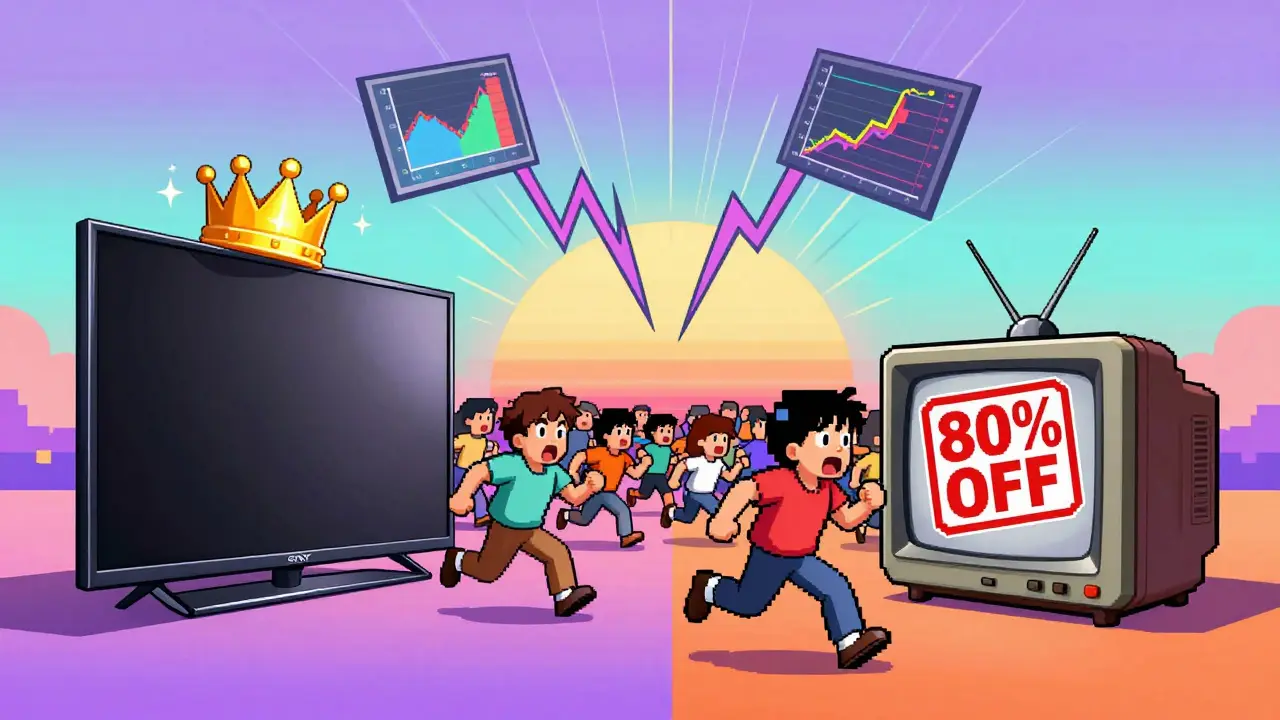
A first generic entry isn’t just another player in the market. It’s the first alternative that matches the core functionality of a dominant product, often after patents expire or through reverse engineering. Think of it like the first generic version of a brand-name drug. Once it arrives, the original product’s price starts to unravel. In software, this looks like a company launching a PostgreSQL-based database that works just like Oracle but costs 80% less. In electronics, it’s a TV brand releasing a 4K model with the same specs as Sony’s premium line-for half the price. These aren’t knockoffs. They’re functional replacements that solve the same problem at a fraction of the cost.Why Do Prices Plummet So Fast?
It’s not about the new product being better. It’s about what it forces the original to do. When the first generic arrives, customers suddenly have a choice. Why pay $5,000 for a legacy software license when a $1,000 alternative does 90% of the same work? That’s not a hard choice. And once even a small group of customers switch, the pressure on the original vendor becomes intense. Gartner found that 72% of enterprise buyers now care more about total cost of ownership than brand loyalty. That’s a massive shift. Companies aren’t buying software because it’s from a famous name-they’re buying it because it saves money. The first generic entrant doesn’t need to be perfect. It just needs to be good enough.Real-World Price Drops You Can Actually See
Look at the numbers:- In pharmaceuticals, the first generic drug entry cuts prices by an average of 76% within six months (Congressional Budget Office).
- When competitors entered the 4K TV market in 2015, Sony’s XBR55X900C dropped from $1,799 to $899 in under a year (Consumer Technology Association).
- Enterprise software vendors saw on-premise license fees fall 30-45% within 18 months of a competitive SaaS alternative launching (Gartner).
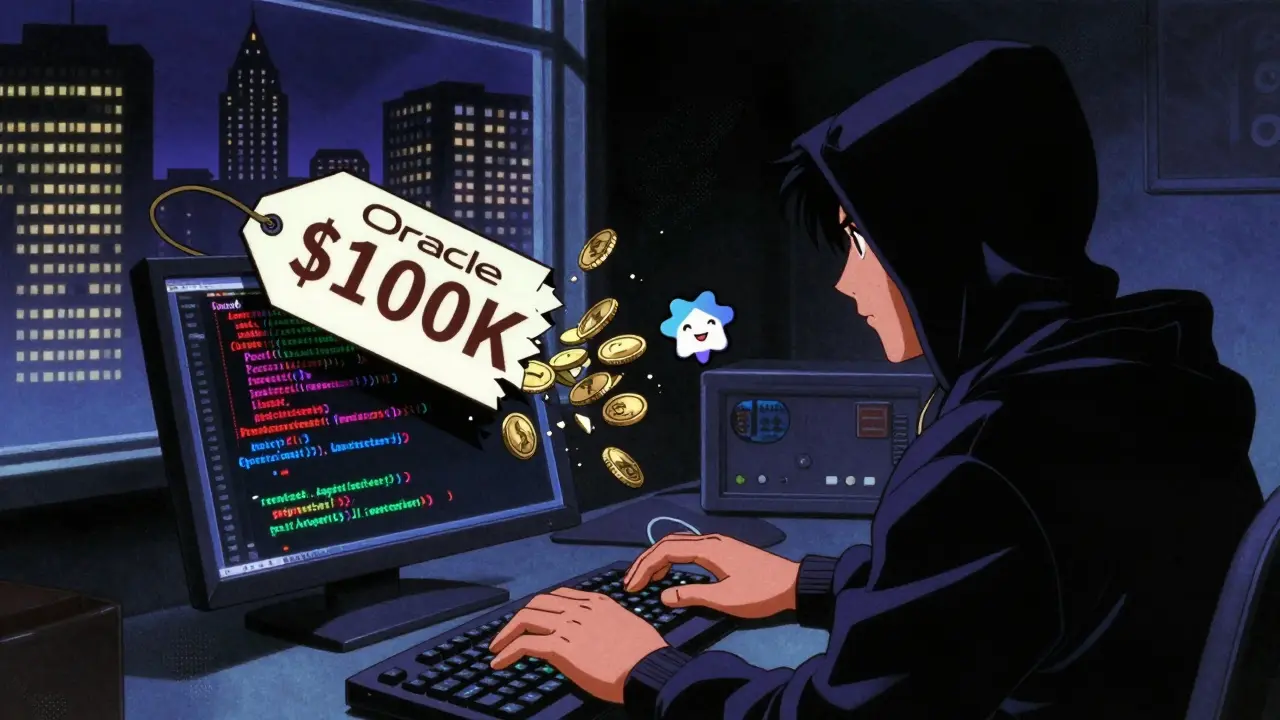
- Companies switching from Oracle to PostgreSQL reported 78% lower licensing costs with no performance loss (Reddit, r/sysadmin).
How Do Generic Alternatives Even Afford to Be So Cheap?
They don’t build from scratch. They stand on the shoulders of what came before. Many first generic entrants use open-source platforms like Linux, Apache, or PostgreSQL-tools that are free to use and already battle-tested. They skip the cost of building proprietary databases, UI frameworks, or backend systems. They also often outsource development to regions with lower labor costs, cutting expenses by 25-40%. Plus, they don’t need to spend millions on brand marketing. Their whole pitch is: “We’re the same, but cheaper.” No flashy ads. No celebrity endorsements. Just a clear price advantage.What’s the Catch? The Hidden Trade-Offs
You can’t get a 70% price cut without some trade-offs. Users report that first-gen alternatives often require 20-30% more setup time. Documentation is sometimes thinner. Support response times might be slower. And while performance is usually 80-90% of the original, edge cases can break. TrustRadius found that 28% of early adopters ran into integration problems. Some companies had to hire consultants just to migrate data. But here’s the thing: 81% of those same companies stuck with the cheaper option after six months because the savings outweighed the headaches. It’s not about perfection. It’s about value. If you’re spending $100,000 a year on software licenses and you can cut that to $20,000-even with a little extra work-you’re still way ahead.Why Is This Happening Faster Now?
Ten years ago, it took 18 months for a generic alternative to appear after a product launched. Today, it’s down to six months (Bain & Company). Why? Three reasons:- Cloud-native tools make it easier to build compatible software. You don’t need to replicate a whole on-premise system-you just need to mimic the API.
- Regulations like the EU’s Digital Markets Act now force companies to make their products interoperable, lowering the barrier for competitors.
- Open-source culture means developers are constantly building, sharing, and improving alternatives. GitHub isn’t just a code repository-it’s a launchpad for the next price disruptor.
What This Means for Businesses
If you’re a customer: wait. Don’t rush to buy the latest version of expensive software. Wait six to twelve months. The first generic will likely arrive, and you’ll save a fortune. If you’re a vendor: your pricing model is under attack. Charging high upfront license fees won’t work anymore. You need to pivot. Some are shifting to subscription models. Others are offering free tiers with paid support (like MongoDB Atlas). A few are moving to usage-based pricing-charging per query or per user, not per seat. PwC’s 2024 survey shows 78% of software vendors are now testing usage-based pricing. That’s not a trend. That’s a survival tactic.The Future: More Alternatives, Faster Price Drops
ARK Invest predicts open-source alternatives will capture 35% of enterprise software revenue by 2027. That’s not a guess-it’s a projection based on current momentum. The days of premium pricing for software are over. The market has spoken: functionality is a commodity. What matters now is cost, flexibility, and how well the product integrates into your existing systems. The first generic entry isn’t a threat. It’s a reset. And it’s happening in every industry where software runs the show.What Should You Do Today?
- If you’re evaluating software: Look for the first generic alternative. Check G2, Capterra, or Reddit for real user reviews. Don’t just trust the vendor’s sales pitch.
- If you’re locked into a long-term contract: Start planning your exit. Look at alternatives now. Migration takes 3-6 months.
- If you’re building software: Stop thinking about locking customers in. Start thinking about how to make your product the best value-not the most expensive.






Timothy Davis
29 January, 2026 11:21 AMLet’s be real - this isn’t some revolutionary insight. It’s basic supply and demand wrapped in a Gartner report. The moment something becomes commoditized, the price collapses. Oracle didn’t get crushed because PostgreSQL was ‘better’ - it got crushed because it charged like a monopoly. And guess what? That’s exactly what happens when you overprice a commodity. The market doesn’t care about your brand equity. It cares about ROI.
Stop pretending this is new. This has been happening since the 1980s with mainframes, then with Windows licenses, then with Adobe Creative Suite. Every time a vendor thinks they’re untouchable, someone builds a cheaper clone and the house of cards falls. The only surprise here is how slow some industries are to catch up.
And yes, the ‘trade-offs’ are real. But if your CFO is still signing 5-year contracts for $100k/year software while a $15k alternative exists, your problem isn’t tech - it’s leadership. Fix that first.
Howard Esakov
30 January, 2026 04:05 AMUgh. Another ‘wait for the generic’ post. 😒
Let me guess - you think PostgreSQL is ‘just as good’ as Oracle? Bro. You don’t even know what a window function is. You’re the same guy who thinks ‘free’ means ‘no learning curve.’
Good luck migrating your 12-year-old ERP system to a community-supported DB with no SLA. And when your audit fails because ‘someone on Reddit said it’s fine,’ don’t come crying to me.
Also, ‘open-source culture’? Please. Most of those ‘alternatives’ are just devs copying APIs and calling it innovation. Real engineering takes time. And money. And people who care about reliability, not just cost per line of code.
Bryan Fracchia
1 February, 2026 02:10 AMI love how this post flips the script on what ‘value’ even means.
We’ve been trained to equate price with quality - like if it’s expensive, it must be better. But that’s just marketing noise. The truth? Most enterprise software is just a fancy wrapper around basic logic. The real magic isn’t in the code - it’s in the support, the integrations, the ecosystem.
And honestly? I think this shift is beautiful. It’s like the internet finally broke the gatekeepers. People aren’t buying brands anymore - they’re buying outcomes. If you can get 90% of the job done for 20% of the cost, why wouldn’t you? It’s not about cutting corners - it’s about cutting the fluff.
Also, props to the devs building these alternatives. They’re not stealing. They’re liberating. And yeah, the setup’s a pain. But isn’t that what automation is for? We’re just in the awkward phase of the transition. It’ll get smoother.
Change is uncomfortable. But it’s also necessary. And honestly? I’m kind of excited to see what happens next.
Lance Long
1 February, 2026 14:57 PMOhhhhh, this is the moment I’ve been waiting for. 🎉
Remember when you paid $5,000 for a CRM that took six months to implement and still couldn’t send automated emails? And then came HubSpot? Not perfect. Not fancy. But $500/month and you’re up and running in a day?
That’s the same energy here. The old guard thought they were building castles. Turns out they were building sandcastles - and the tide came in.
And guess what? The people who suffered the most? The consultants who made a living selling ‘custom integrations’ for overpriced software. Now they’re retraining as cloud architects. That’s not a tragedy - that’s evolution.
Don’t fear the cheaper option. Fear being irrelevant. The market is rewarding agility, not legacy. And if you’re still clinging to ‘brand loyalty’? Honey, you’re already behind.
Trust me. I’ve seen it happen. Again. And again. And again. The winners? They adapt. The rest? They become case studies.
fiona vaz
1 February, 2026 21:09 PMOne thing people overlook: the first generic doesn’t just lower prices - it forces innovation. Companies that used to rest on their patents now have to actually improve their product. That’s a win for everyone.
I’ve worked with teams that switched from proprietary BI tools to Metabase. The migration took two months. The training was rough. But now, analysts can build their own dashboards without waiting for IT. That’s real empowerment.
And yes, support is slower. But if you’re not already using community forums, GitHub issues, or Stack Overflow, you’re doing it wrong. The open-source ecosystem is more responsive than most enterprise vendors’ ticket systems.
Just don’t go in blind. Test. Pilot. Measure. But don’t dismiss it because it’s cheap. Sometimes, cheap is just smart.
Sue Latham
3 February, 2026 05:19 AMOh sweetie, you really think this is some deep insight? 😏
Let me tell you something - if you’re still using on-premise software in 2024, you’re not ‘enterprise,’ you’re a museum exhibit.
And don’t get me started on ‘PostgreSQL is just as good.’ Honey, if you can’t configure a replication slot without crying, you don’t get to say that. The ‘cheaper’ option doesn’t mean ‘easier.’ It means ‘you’re on your own.’
But hey, if you like spending your weekends debugging connection pools instead of, I don’t know, sleeping? Go for it. Just don’t blame the vendor when your CFO finds out your ‘cost savings’ came with a $200k consulting bill to fix your mess.
Also, Gartner? Please. They’re paid by the vendors. 😘
James Dwyer
3 February, 2026 21:37 PMBeen there. Done that. Switched from IBM DB2 to PostgreSQL in 2021. Took 4 months. Had to rewrite 30% of our stored procedures. But we saved $1.2M in licensing alone. No regrets.
Support? We hired a part-time DBA who lives in Poland. Costs $30/hour. He’s better than our old IBM rep.
Bottom line: if your software vendor still charges per seat, they’re already dead. You’re just not paying attention.
jonathan soba
4 February, 2026 12:16 PMInteresting. But you’re missing the real driver: regulatory capture.
These ‘generic alternatives’ aren’t emerging because of open-source - they’re emerging because the EU and US are forcing interoperability. This isn’t market-driven. It’s compliance-driven.
Microsoft lowering prices? Not because of PostgreSQL. Because the DMA forced them to. The ‘first generic entry’ is just the symptom. The disease is regulation.
And if you think this trend is sustainable, you’re ignoring the fact that most open-source projects are underfunded. Who maintains them when the devs burn out? Who pays for security patches? Not the users. Not the vendors. The public.
This isn’t capitalism. It’s a subsidy disguised as innovation.
matthew martin
5 February, 2026 01:32 AMMan, this whole thing feels like watching a slow-motion car crash… but in the best way.
It’s like the tech world finally woke up and realized: ‘Wait, we’ve been paying for marketing, not software.’
Think about it - how many times have you bought something because it had a fancy logo, and then realized the actual product was… fine? Like, ‘meh.’
Now we’re seeing the reverse: no logo, no ads, no sales team - just a working tool that doesn’t try to sell you a dream. And people are like, ‘Huh. This is… actually good?’
It’s not about ‘disruption.’ It’s about honesty. The old players were selling fantasy. The new ones are selling function. And function? Function is cheaper.
Also, shoutout to the devs on GitHub who built this stuff after work. They didn’t need VC money. They just wanted to fix a problem. That’s the real magic.
doug b
6 February, 2026 01:39 AMSimple truth: if your software costs more than your team’s salary, you’re doing it wrong.
Stop overcomplicating it. The first generic isn’t ‘better.’ It’s just not trying to gouge you. That’s it.
Try it. Test it. If it works, keep it. If it doesn’t, go back. No one’s forcing you. But don’t pretend the expensive one is ‘safer’ - it’s just more expensive.
Save your money. Invest it in training. That’s the real ROI.
Mel MJPS
7 February, 2026 08:44 AMI switched our analytics stack from Tableau to Metabase last year. Honestly? I was terrified. My boss was like, ‘Are you sure?’
Turns out, the team loved it. They could build their own reports. No more waiting weeks for ‘the dashboard guy.’ We saved $80k/year. The only downside? I had to learn SQL. Which… was kind of fun?
It’s not perfect. But nothing is. And sometimes, ‘good enough’ is the perfect place to start.
Katie Mccreary
8 February, 2026 14:05 PMYou’re all so naive. The ‘first generic’ doesn’t save money - it shifts cost. You think you’re saving on licensing? Wait until your team spends 200 hours debugging undocumented APIs. That’s unpaid labor. That’s your time. Your mental health. Your sleep.
And who pays for that? You. Your company. Your family.
Stop romanticizing ‘cheap.’ It’s just another kind of exploitation - masked as empowerment.
SRI GUNTORO
8 February, 2026 17:41 PMWhy are you all celebrating this? It’s not innovation - it’s theft.
Companies spent billions developing these systems. Now some kid in a basement copies the API and calls it ‘open-source.’ That’s not progress. That’s greed.
And you people are fine with it? You think the world should reward laziness? No wonder everything’s falling apart.
Timothy Davis
9 February, 2026 19:00 PM@7271 - you’re right about the hidden costs. But here’s the thing: those 200 hours? They’re not wasted. They’re learning. You’re not just fixing a DB - you’re learning how the system works. That’s knowledge that stays with you. The vendor’s ‘support’? That’s a black box. You never learn anything.
And if your company can’t afford to invest in upskilling? Then maybe you’re the problem, not the software.
Also, your mental health? That’s on your manager. If they’re letting you burn out on a ‘cheap’ tool, they’re failing you. Blame the leadership, not the tool.