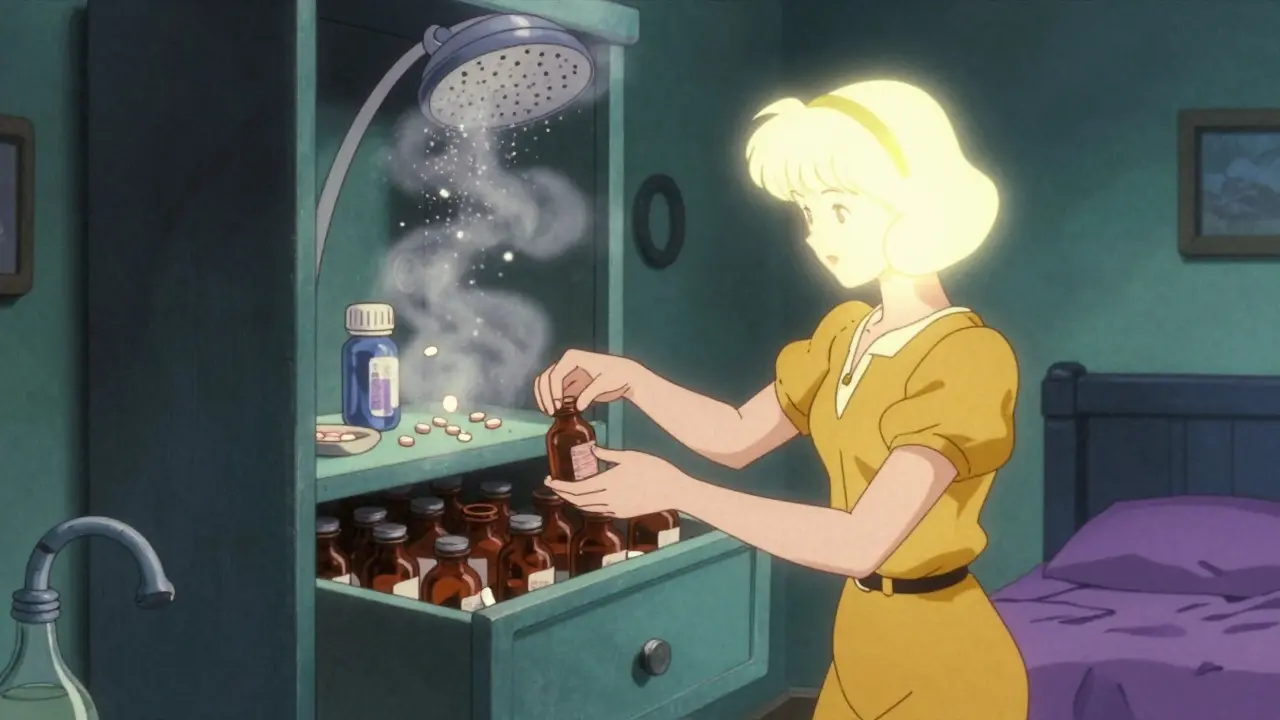
Most people throw away pills after the expiration date on the bottle. But what if those pills are still good? What if, with the right storage, your antibiotics, painkillers, or allergy meds could last years beyond that printed date? It’s not a myth. It’s science.
Expiration Dates Aren’t Death Dates
The date printed on your medicine bottle isn’t a hard cutoff. It’s a manufacturer’s guarantee that the drug will be at full strength and safe up to that point - not a promise that it becomes dangerous the next day. The FDA’s Shelf-Life Extension Program (SLEP), run with the Department of Defense, tested over 3,000 lots of medications. Results? 88% of them were still effective and safe to use, often for years after expiration. Some drugs, like naloxone, fentanyl, and halothane, stayed stable for 4 to 5 extra years. Tamiflu, when stored properly in stockpiles, was approved for use up to 10 years past its labeled date.Where You Store Medications Matters More Than You Think
The biggest killer of medication potency isn’t time - it’s heat, moisture, and light. Storing pills in the bathroom medicine cabinet? That’s a bad idea. Humidity from showers and steam can break down tablets and capsules. Heat from radiators or direct sunlight speeds up chemical breakdown. The ideal spot is a cool, dry place away from windows. A bedroom drawer or a closet shelf works better than the bathroom. For most solid oral medications - tablets, capsules, pills - the sweet spot is room temperature: 25°C (77°F) with 60% relative humidity. That’s not just a recommendation. It’s the standard used in pharmaceutical stability testing.Some Medications Need Refrigeration - But Not All
Not all drugs are created equal. Some, like insulin, certain vaccines, and liquid antibiotics, require refrigeration between 2°C and 8°C. Keep these in the main compartment of your fridge, not the door. The door opens and closes too often, causing temperature swings that can ruin the product. Freezer storage? Only if the label says so. Some medications, like certain biologics, need to be kept at -20°C. But freezing insulin or other non-frozen drugs can destroy their structure. Always check the original packaging or ask your pharmacist.Light and Air Can Ruin Your Medicine Too
Some medications are light-sensitive. Tetracycline, nitroglycerin, and certain antifungal creams degrade quickly when exposed to UV rays. That’s why they come in amber bottles or opaque packaging. Never transfer these into clear containers. Keep them in their original packaging, sealed tightly. Oxygen is another enemy. Pills in blister packs last longer than those in open bottles because the foil barrier keeps air out. If you’ve poured pills into a pill organizer, don’t leave them there for weeks. Use them within a few days. Long-term exposure to air can reduce potency.
What About Liquid, Creams, and Suspensions?
These are the tricky ones. Liquid antibiotics, eye drops, and reconstituted powders are far more vulnerable than solid pills. Once opened, they’re exposed to air and bacteria. Most liquid antibiotics expire within 14 days after mixing - even if the bottle says otherwise. Never use them past that point. Insulin pens, once opened, last about 28 days at room temperature. After that, they lose potency fast. Eye drops? Throw them out after 4 weeks, even if they’re still full. The preservatives wear off, and bacteria can grow. One study found that 30% of expired eye drops tested positive for microbial contamination.What’s Safe to Keep? What’s Not?
Here’s a quick guide:- Safe to potentially extend: Tablets and capsules like aspirin, ibuprofen, acetaminophen, antihistamines, blood pressure meds, and antidepressants. These are stable if stored properly.
- Use with caution: Nitroglycerin, epinephrine auto-injectors, insulin, and thyroid meds. These can lose potency quickly. Don’t risk it if you’re relying on them for emergencies.
- Don’t keep past expiration: Liquid antibiotics, eye drops, insulin vials after 28 days, and any medication that looks discolored, smells strange, or has changed texture.
Advanced Storage Tech - What’s Coming Next
The pharmaceutical industry is moving beyond printed dates. Companies are testing “intelligent packaging” with time-temperature indicators. These tiny chips change color if the drug has been exposed to too much heat. Imagine a pill bottle that turns red if it spent too long in a hot car - that’s already in trials. Modified Atmosphere Packaging (MAP), which replaces air inside the container with nitrogen or argon, is being used for high-value drugs to slow oxidation. High-pressure processing (HPP) is being explored for liquid medications, using pressure instead of heat to kill microbes without damaging the drug. The goal? To move from fixed expiration dates to real-time monitoring. By 2023, 68% of the top 50 pharmaceutical companies were using continuous stability tracking systems. This isn’t science fiction - it’s the future of drug safety.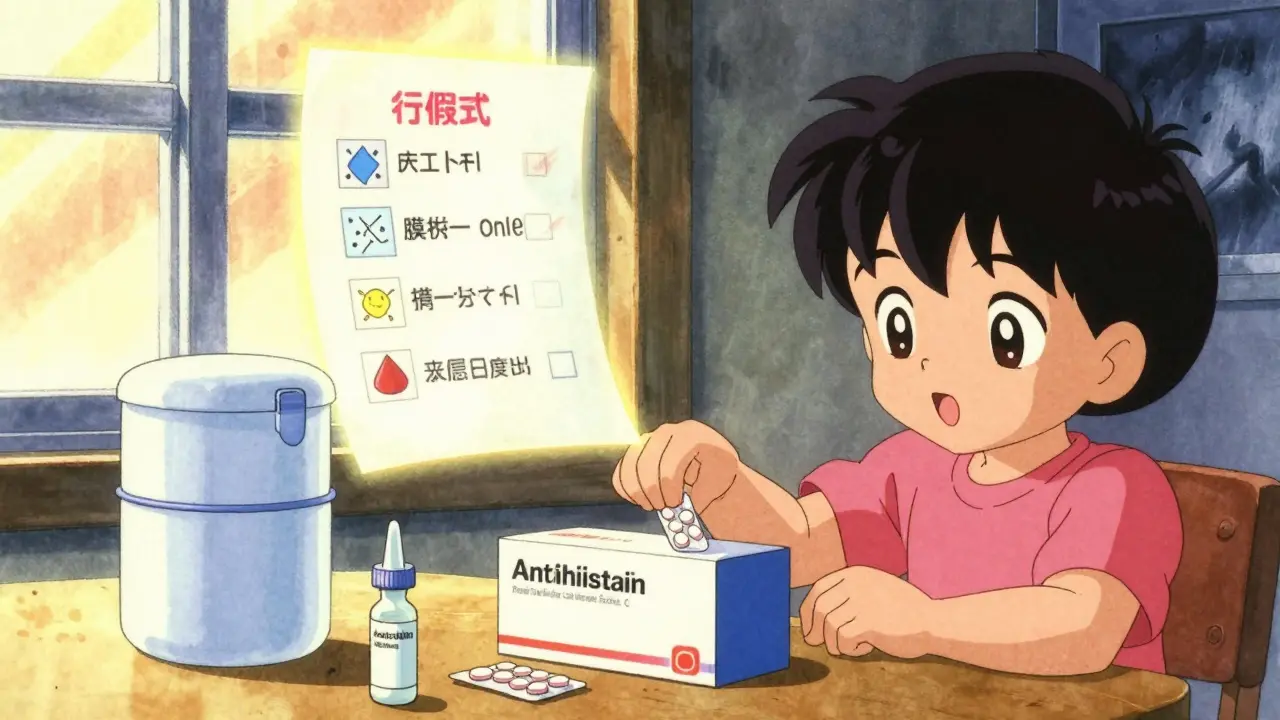
When in Doubt, Don’t Use It
Even with all the data, there’s no substitute for caution. If a pill is cracked, sticky, smells off, or has changed color, toss it. If it’s a life-saving drug - like an EpiPen or heart medication - and you’re unsure, get a new one. The cost of a replacement is nothing compared to the risk of failure. The FDA and experts agree: most properly stored pills are still safe and effective after expiration. But that doesn’t mean you should experiment. Use common sense. Store right. Check for changes. When in doubt, consult your pharmacist.What About Stockpiling for Emergencies?
The Strategic National Stockpile keeps millions of doses of antibiotics, antivirals, and antidotes - many of which are years past their original expiration dates. They’re tested regularly. Their shelf life is extended legally and safely. You don’t need to replicate that system. But you can learn from it. If you’re building a home emergency kit, focus on non-perishables: pain relievers, antihistamines, and antacids. Store them in a cool, dark drawer. Rotate them every 2-3 years. Don’t hoard antibiotics. They’re not magic bullets, and misuse can lead to resistance.Real Cost of Waste
The SLEP program has saved the U.S. government over $2.1 billion since 1986 by extending the life of stockpiled drugs. Veterinary clinics cut anesthetic waste by switching to longer-lasting propofol formulations. Pharmacies and hospitals are starting to do the same. But it’s not just about money. It’s about access. In a disaster, when supply chains break down, having access to safe, effective medication can save lives. Proper storage isn’t just good housekeeping - it’s public health.Final Checklist: Safe Medication Storage
- Store all pills in a cool, dry, dark place - not the bathroom.
- Keep liquids, insulin, and vaccines refrigerated at 2-8°C - never frozen unless specified.
- Never transfer pills into unmarked containers. Keep them in original packaging.
- Check for changes: discoloration, odor, stickiness, or crumbling = discard.
- Throw out opened liquids after 14-28 days (follow label instructions).
- For life-saving drugs (EpiPen, nitroglycerin, insulin), replace on schedule - don’t gamble.
- Rotate your home supply every 2-3 years. Use older ones first.
Medications aren’t like milk. They don’t spoil overnight. But they don’t last forever either. The key isn’t magic. It’s simple: store them right, check them often, and don’t take risks with your health.
Are expired medications dangerous to take?
Most expired medications aren’t dangerous - they just lose potency over time. Solid pills like aspirin or ibuprofen are usually safe to take after expiration if stored properly. But liquid antibiotics, insulin, or eye drops can grow bacteria or break down into harmful compounds. Never take anything that looks or smells off.
Can I store medications in the fridge?
Only if the label says to. Some drugs, like insulin, certain vaccines, and liquid antibiotics, require refrigeration between 2°C and 8°C. But storing pills like ibuprofen or antibiotics in the fridge can introduce moisture, which damages them. Always follow the manufacturer’s instructions.
How long do pills last after the expiration date?
Many solid medications remain effective for years beyond expiration - sometimes 5-10 years - if kept in a cool, dry place. The FDA’s SLEP program found 88% of tested drugs were still stable past their labeled date. But this doesn’t apply to liquids, injectables, or sensitive drugs like insulin or nitroglycerin.
Is it legal to use expired medication?
For personal use, there’s no law against taking expired medication - but pharmacists and doctors won’t recommend it. In emergencies, like natural disasters, the FDA has allowed expiration date extensions for stockpiled drugs. But for everyday use, it’s best to follow the label unless a professional advises otherwise.
What’s the best way to dispose of expired meds?
Don’t flush them or throw them in the trash. Use a drug take-back program at a pharmacy or hospital. If none is available, mix pills with coffee grounds or cat litter in a sealed bag before tossing. This prevents accidental ingestion and reduces environmental harm.
Can I extend the shelf life of my meds at home?
You can’t technically extend the shelf life - but you can preserve it. Store meds properly: cool, dry, dark, sealed. Avoid humidity and heat. Don’t leave them in the car or bathroom. For long-term storage, consider airtight containers with silica gel packs to absorb moisture. But don’t rely on DIY methods for critical medications.

Pawan Chaudhary
17 December, 2025 07:33 AMThis is such a helpful guide! I always thought expired meds were just trash, but now I get why storing them right matters. My grandma’s aspirin from 2018 still works fine-kept in a drawer, dry as a bone. No need to waste money or pills.
Philippa Skiadopoulou
18 December, 2025 00:38 AMThe FDA’s Shelf-Life Extension Program data is robust and frequently overlooked. Solid oral dosage forms, particularly those in original sealed packaging, demonstrate remarkable chemical stability under controlled environmental conditions. Humidity and thermal degradation remain the primary factors compromising pharmaceutical integrity. Refrigeration is not universally beneficial; it may introduce condensation risks for non-hygroscopic compounds.
Jonathan Morris
19 December, 2025 03:37 AMLet’s be real-this is all a government and pharma scam to sell you more pills. The FDA knows these drugs last decades. They don’t want you to know because then you’d stop buying new ones every year. That 88% stat? They only tested drugs they already knew were stable. The rest? Buried in redacted reports. Look up Project MKUltra’s connection to drug stability studies. It’s not coincidence.
Chris Van Horn
19 December, 2025 03:48 AMHow dare you suggest that ordinary citizens should be trusted with the nuanced science of pharmaceutical stability? This is not a DIY project. The very notion that a layperson could assess degradation of nitroglycerin or insulin based on ‘looks’ or ‘smell’ is not merely irresponsible-it is an affront to the centuries of rigorous clinical trial methodology that underpin modern medicine. I am genuinely appalled by the casual tone of this post. You might as well say ‘just taste it and see if it still kills the pain.’
Virginia Seitz
20 December, 2025 17:09 PMOMG YES. I just found my old allergy pills from 2020 and they still work 😍 Saved me $40 this month! 🙌 Also, never store meds in the bathroom-my cousin’s Xanax got soggy and looked like a tiny swamp. Yuck. 🏠💧
amanda s
22 December, 2025 04:29 AMWho even cares about this? In America, we have pharmacies everywhere. If you can’t afford new meds, you’re doing something wrong. This whole ‘stockpile for emergencies’ thing is just a way for liberals to prepare for the collapse. We don’t need to hoard pills-we need to fix the system. And no, your grandma’s aspirin isn’t saving lives-it’s just sitting there collecting dust.
Peter Ronai
22 December, 2025 21:51 PMOh, so now we’re supposed to trust pills from 2015? I’ve got news for you: that ‘88% stable’ stat is cherry-picked from military-grade storage conditions. Your basement? Your bathroom? Your car in July? That’s not ‘storage’-that’s a chemical experiment you didn’t sign up for. And don’t get me started on people who pour pills into plastic containers like they’re candy. You’re not a pharmacist. You’re a liability.
Steven Lavoie
24 December, 2025 04:26 AMI appreciate the depth of this post. I’ve worked in pharmacy for over a decade, and I’ve seen patients take expired ibuprofen with no issue-when stored properly. But I’ve also seen the opposite: a woman who took old liquid amoxicillin and developed a severe reaction. The difference? Moisture exposure. Storage matters more than expiration dates. Always check with your pharmacist. No shame in asking.
Michael Whitaker
24 December, 2025 22:12 PMWhile I acknowledge the empirical data presented, I must respectfully assert that the cultural normalization of ‘extending’ pharmaceutical shelf life may inadvertently erode the institutional trust that underpins public health compliance. The very act of questioning expiration dates, even in good faith, contributes to a broader epistemological crisis in medical authority. One might argue that this post, however well-intentioned, functions as a Trojan horse for pharmaceutical nihilism.
Brooks Beveridge
25 December, 2025 15:32 PMThis is such a thoughtful breakdown. I’ve been storing my meds in a sealed container with silica gel in my closet for years-no issues. It’s not about being cheap, it’s about being smart. And if you’re ever unsure? Just ask your pharmacist. They’re usually happy to help. You’re not alone in this. 💪❤️
Anu radha
26 December, 2025 13:51 PMI live in India, and many people here reuse old medicines because they can’t afford new ones. This post helps me explain to my family why some pills are okay and others aren’t. Thank you for the simple, clear advice.