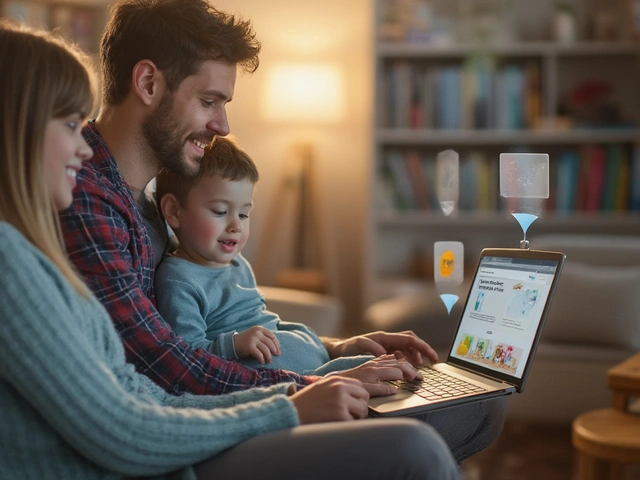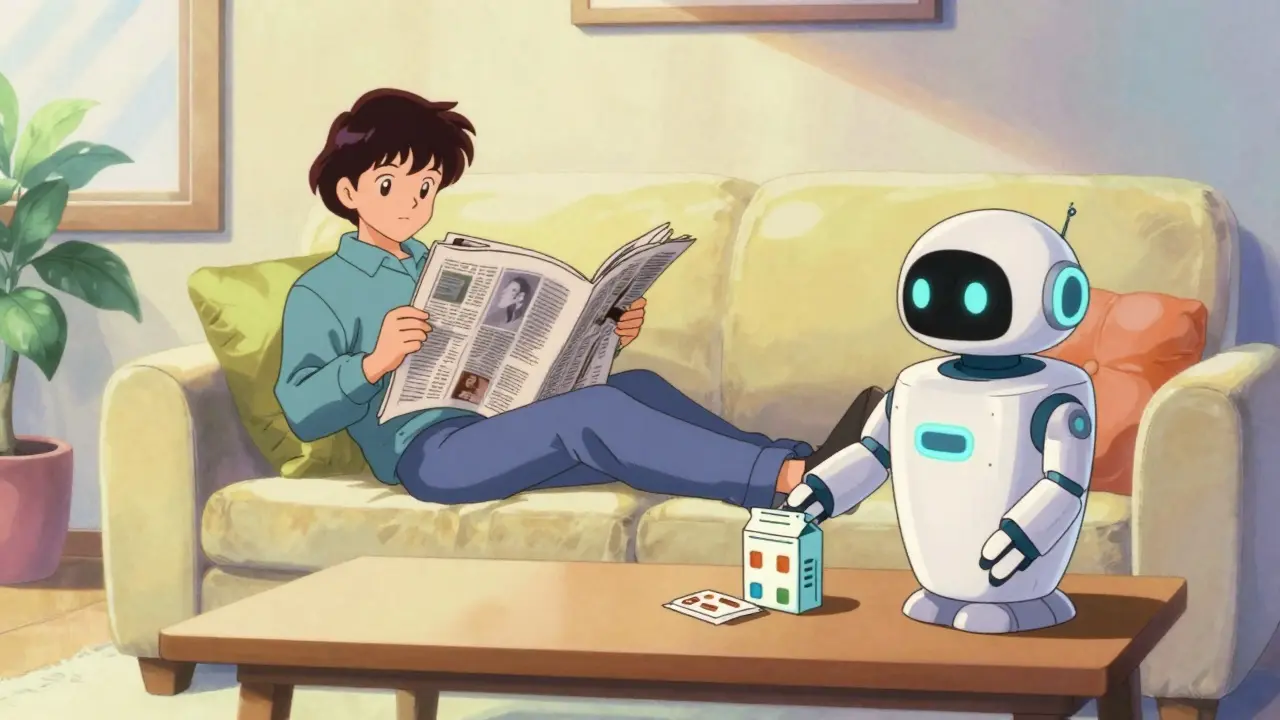
Imagine needing your monthly supply of blood pressure medication but being stuck in traffic, dealing with a broken car, or simply lacking the energy to stand in line. For millions of people, this isn't just an inconvenience-it's a barrier to staying healthy. This is where prescription delivery services are healthcare logistics solutions that transport prescribed medications directly to patients' homes, improving access and adherence change the game. They turn a chore into a background task.
The shift toward getting generic medications are pharmaceutical drugs that contain the same active ingredients as brand-name drugs but cost significantly less delivered to your door has moved from a nice-to-have luxury to essential infrastructure. In 2025, prescription delivery accounted for over 25% of the market share, driven by chronic disease management and aging populations. With global cancer cases projected to hit 35 million by 2050 (WHO, 2024), reliable access to consistent medication is no longer optional. It’s critical.
Why Generic Medication Delivery Matters More Than Ever
You might wonder why we focus so heavily on generics. The answer lies in volume and value. Generic drugs make up roughly 90% of all prescriptions filled in the U.S., yet they represent less than 20% of total spending. This means while you save money, the margins for distributors are razor-thin-prices have dropped about 30% over the last decade. Despite this, the demand is insatiable because these drugs keep chronic conditions like hypertension, diabetes, and high cholesterol under control.
For patients, the benefit is straightforward: lower out-of-pocket costs combined with the convenience of home delivery. When you remove the friction of travel and waiting rooms, you improve medication adherence is the extent to which patients take their medications exactly as prescribed by their healthcare provider. Studies consistently show that when refills arrive automatically, patients miss fewer doses. For someone managing multiple daily medications, this consistency can be the difference between stable health and a hospital visit.
How Modern Prescription Delivery Works
Gone are the days of simple mail-order boxes with long wait times. Today’s system is a complex digital ecosystem connecting you, your doctor, and the pharmacy. Here is how it typically functions:
- Digital Prescription Transfer: Your doctor sends an electronic prescription directly to the service platform. No more fax machines or lost papers.
- Insurance Verification: AI tools instantly check your coverage, calculate copays, and identify any prior authorization needs. This step often happens before you even click “order.”
- Fulfillment & Packaging: Pharmacists verify the order. For standard generics, this is automated. For temperature-sensitive drugs, specialized cold-chain packaging ensures integrity during transit.
- Last-Mile Delivery: Depending on your location and urgency, your meds arrive via courier, postal service, or increasingly, same-day local drivers. Real-time tracking lets you know exactly when to expect the package.
This integration reduces errors and speeds up the process. However, not all deliveries are created equal. Standard generics usually ship within 1-3 business days, while urgent needs may require a premium same-day service if available in your area.
The Race for Same-Day Delivery
In 2025 and moving into 2026, the biggest battleground in this sector is speed. Major players are investing heavily to offer next-day or even same-day delivery. Walmart expanded its same-day pharmacy delivery to 49 states in January 2025, becoming the first nationwide service to do so. Amazon aims to cover 45% of the country with similar capabilities by the end of 2025.
Why does this matter to you? Because "urgent" needs happen. You run out of antibiotics, or a child gets sick. Traditional pharmacies require you to drive there, wait, and hope they have stock. Digital-native services like Capsule is a digital pharmacy startup focused on simplifying prescription refills through mobile-first interfaces and Alto Pharmacy is an online pharmacy offering personalized medication management and home delivery compete on convenience, but traditional giants like CVS Health and Walgreens leverage their thousands of physical stores to act as micro-hubs for faster dispatch.
| Feature | Traditional Mail-Order | Same-Day Local Delivery | Digital-Native Platforms |
|---|---|---|---|
| Speed | 3-7 Days | Under 24 Hours | 1-3 Days |
| Cost | Lowest (often free) | Highest (delivery fees) | Moderate |
| Best For | Chronic maintenance meds | Urgent needs / acute illness | User experience & tech integration |
| Pharmacist Access | Limited | Variable | High (chat/video) |
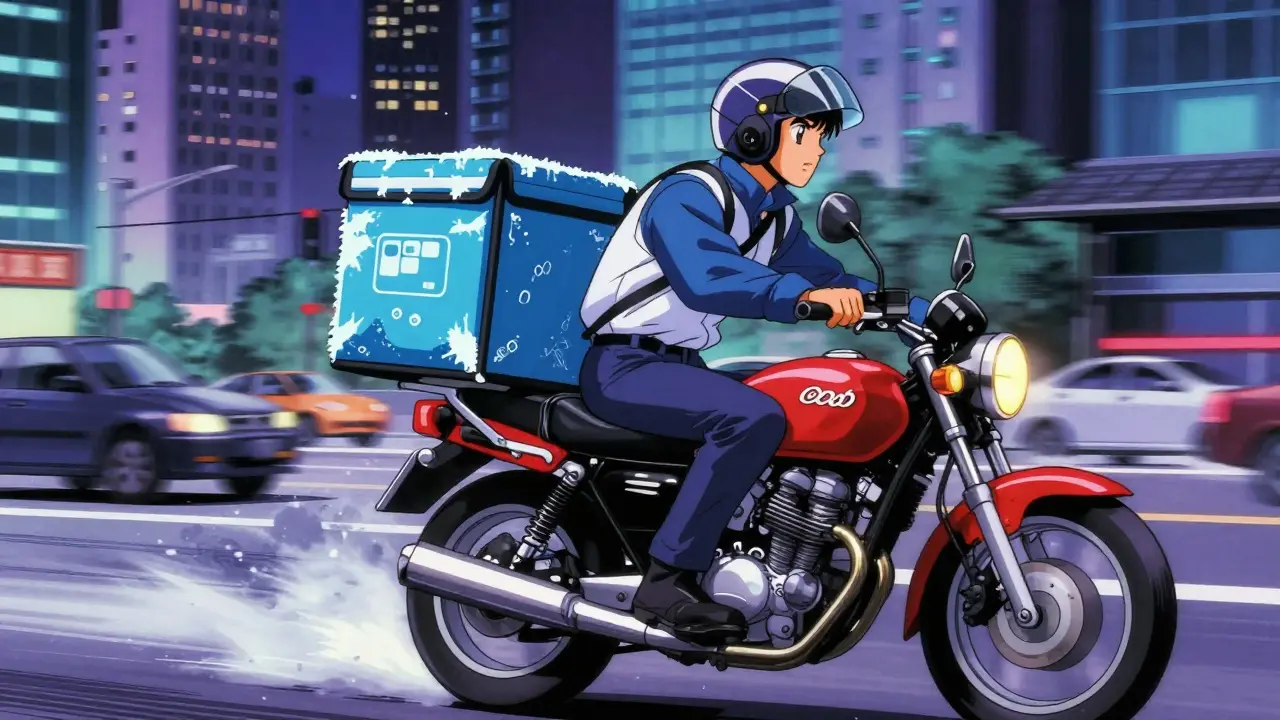
Challenges with Temperature-Sensitive and Specialty Drugs
Not all pills are easy to ship. While most generic tablets are stable at room temperature, newer classes of drugs present significant logistical hurdles. GLP-1 agonists, used for obesity and diabetes management, require strict cold-chain handling. These specialty medications drive top-line growth for distributors but squeeze margins due to the expensive packaging and monitoring required.
If you use injectable or refrigerated medications, you need to ask specific questions before switching to a delivery service:
- Does the service use validated cold packs or insulated shippers?
- Is there real-time temperature monitoring during transit?
- What is the protocol if the package arrives warm?
General delivery services may struggle here. Specialty pharmacies often handle these better but may charge higher fees or require more complex insurance authorizations. Always verify the chain of custody for sensitive meds.
Who Should Use Prescription Delivery Services?
While anyone can benefit from convenience, certain groups see the highest return on investment from using these services:
- Patients with Chronic Conditions: If you take daily meds for heart disease, diabetes, or mental health, automatic refills prevent dangerous gaps in treatment.
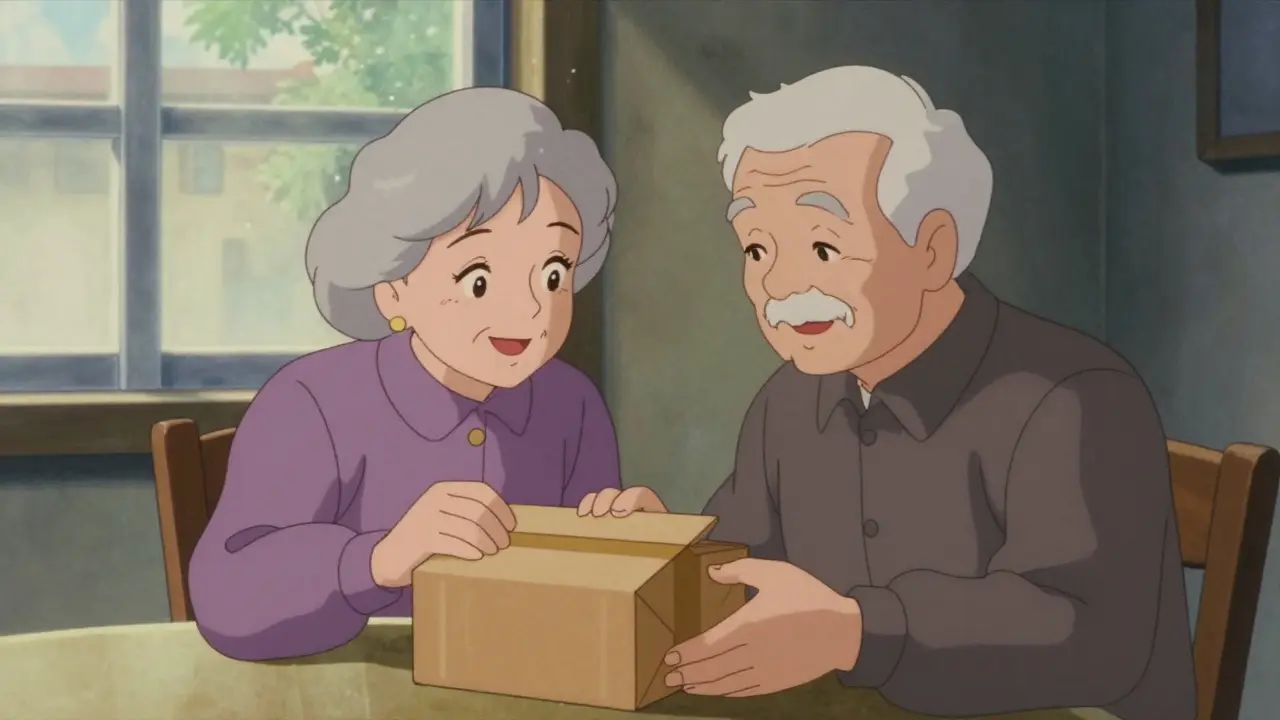
- Elderly Individuals: Mobility issues or lack of transportation make driving to a pharmacy difficult. Home delivery restores independence.
- Busy Professionals: Time is money. Saving 30 minutes per week adds up to hours annually.
- Rural Residents: If the nearest pharmacy is 20 miles away, delivery eliminates a major barrier to care.
However, if you prefer immediate face-to-face interaction with a pharmacist for every question, or if you frequently need emergency refills outside of planned schedules, a local brick-and-mortar pharmacy might still serve you better.
Privacy, Security, and Data Protection
When you move your healthcare data online, security becomes paramount. Prescription delivery services handle sensitive personal health information (PHI). Reputable providers comply with HIPAA (in the U.S.) or equivalent data protection laws globally. Look for platforms that use end-to-end encryption and two-factor authentication.
Be cautious of unknown third-party aggregators that promise cheap prices but lack clear privacy policies. Your medical history is valuable; ensure the company protecting it has a strong track record. Read the fine print on data sharing-some apps sell anonymized usage data to advertisers, which is legal but ethically questionable for many users.
Looking Ahead: The Future of Medication Access
The trend is clear: prescription delivery is becoming embedded in comprehensive care models. We are seeing increased integration with telehealth visits, where a doctor consults you via video and sends the prescription directly to a delivery partner simultaneously. AI-driven tools will soon predict when you’re running low and auto-refill without asking, provided your insurance approves.
As the market grows-projected to reach over $300 million by 2035-the competition will likely drive down costs further and improve reliability. For now, the key is choosing a service that aligns with your specific health needs, whether that’s speed, price, or specialized handling.
Are generic medications delivered safely?
Yes, reputable prescription delivery services follow strict regulatory guidelines for handling and shipping medications. Most generic oral solids are stable at room temperature and are packaged securely to prevent damage. However, always check if the service uses tamper-evident packaging and secure logistics partners.
Is same-day prescription delivery available everywhere?
No, same-day delivery is currently limited to urban and suburban areas where major retailers like Walmart or Amazon have established local fulfillment centers. Rural areas typically rely on standard mail-order delivery, which takes 2-5 business days.
Do insurance plans cover delivery fees?
Coverage varies by plan. Many insurance providers waive delivery fees for mail-order generics if you meet a minimum quantity threshold. For same-day or expedited shipping, you will likely pay out-of-pocket unless your specific plan includes a pharmacy benefit manager partnership that subsidizes rapid delivery.
Can I switch my existing prescriptions to a delivery service?
Yes, most services allow you to transfer prescriptions from your current pharmacy. This process usually involves providing your current pharmacy details and signing a consent form. Some services handle the transfer electronically within minutes, while others may take 24-48 hours depending on the original pharmacy’s responsiveness.
What should I do if my medication arrives damaged?
Contact the delivery service immediately and provide photos of the damaged packaging and medication. Reputable companies will replace the order quickly, often via expedited shipping at no extra cost. Do not consume medication if the seal is broken or the product looks compromised.