Imagine this: you’re out with friends, enjoying a drink, when suddenly your vision blurs and your hands start to shake. Is it just the alcohol kicking in? Or is your blood sugar crashing into dangerous territory? For people living with diabetes, a chronic condition affecting millions worldwide that requires careful management of blood glucose levels, this confusion is not just scary-it’s potentially life-threatening.
The interaction between alcohol, a central nervous system depressant found in beer, wine, and spirits that affects liver function and metabolism and diabetes is complex. It’s not as simple as “don’t drink.” In fact, moderate consumption might even offer some heart health benefits for certain individuals. However, without strict safety protocols, alcohol can trigger severe hypoglycemia, a medical emergency characterized by dangerously low blood sugar levels below 70 mg/dL that can lead to seizures or unconsciousness. This article breaks down exactly how alcohol affects your body, which drinks are safest, and the non-negotiable rules you need to follow to stay safe.
How Alcohol Messes With Your Blood Sugar
To understand the risk, you have to look at what happens inside your liver. Under normal circumstances, your liver acts like a backup generator, releasing stored glucose into your bloodstream to keep your levels stable, especially when you haven’t eaten for a while. But here’s the catch: your liver prioritizes metabolizing alcohol over everything else. When alcohol enters your system, your liver pauses its glucose production to break down the ethanol. This process, known as inhibiting gluconeogenesis, can last up to 12 hours after your last sip.
This creates a dual-phase problem. First, if your drink contains carbs (like beer or sweet cocktails), your blood sugar might spike initially. Then, as the liver gets busy processing the alcohol, that stored glucose stops being released, leading to a sharp drop later on. Dr. Osama Hamdy from the Joslin Diabetes Center notes that this delay makes timing critical. You might feel fine an hour after drinking, only to wake up in the middle of the night with dangerously low blood sugar.
The danger is compounded by the symptoms. Dizziness, confusion, slurred speech, and weakness are classic signs of both intoxication and hypoglycemia. If you’re alone or with friends who don’t know you have diabetes, they might assume you’re just drunk. They won’t realize you need fast-acting glucose immediately. This masking effect is why vigilance is so important.
Defining "Moderate" and Setting Limits
So, how much is too much? The medical community has established clear boundaries. According to the American Diabetes Association (ADA) and other major health organizations, moderation means:
- For women: No more than one standard drink per day.
- For men: No more than two standard drinks per day.
But what counts as a "standard drink"? Many people underestimate their intake because they pour larger servings. A standard drink is strictly defined as:
- 12 ounces (360 mL) of regular beer (5% alcohol).
- 5 ounces (150 mL) of wine (12% alcohol).
- 1.5 ounces (45 mL) of distilled spirits (80-proof, 40% alcohol).
If you’re having a craft beer that’s 9% alcohol, that’s almost two standard drinks in one bottle. If you pour yourself a generous glass of wine, you might be consuming 1.5 drinks. Keeping track of these units helps prevent accidental overconsumption, which exponentially increases your risk of nighttime hypoglycemia.
Choosing the Right Drinks: What to Sip and What to Skip
Not all alcoholic beverages are created equal when it comes to diabetes management. The carbohydrate content plays a huge role in how your blood sugar reacts. Here’s a breakdown of the safest options versus the risky ones.
| Beverage Type | Carb Content (Approx.) | Safety Profile | Key Considerations |
|---|---|---|---|
| Dry Wine (Red/White) | 4g per 5 oz | High | Low carb; monitor for delayed lows. |
| Light Beer | 3-5g per 12 oz | High | Much lower carb than regular beer. |
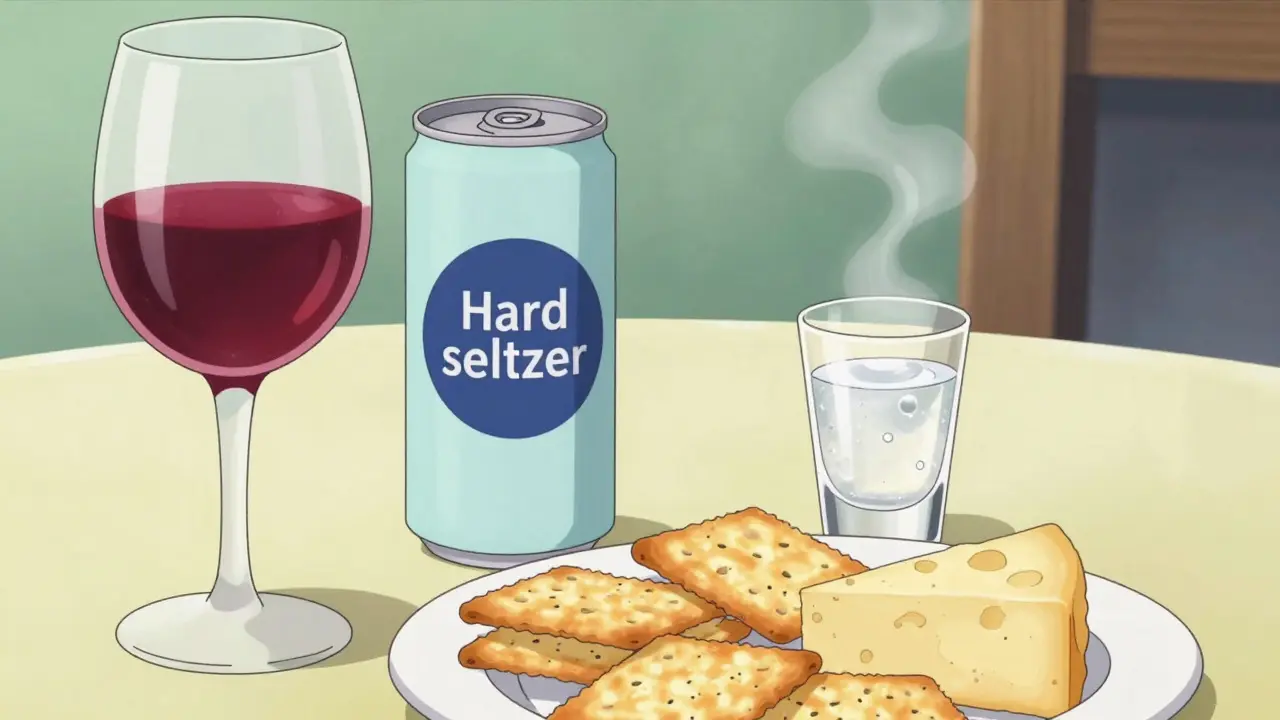
| Hard Seltzer | 2g per 12 oz | Very High | Minimal carbs; popular choice among diabetics. |
| Spirits (Vodka, Gin, Tequila) | 0g per 1.5 oz | High (if mixed right) | Must use sugar-free mixers only. |
| Regular Beer | 10-15g per 12 oz | Medium | Higher carbs can cause spikes then drops. |
| Sweet Cocktails/Margaritas | 20-25g+ per serving | Low | High sugar leads to unpredictable swings. |
| Liqueurs/Cream Liqueurs | 15-20g+ per shot | Low | Very high sugar and fat content. |
A common trap is buying "diabetic" beers or ciders. While they market themselves as low-sugar, they often contain higher alcohol concentrations to compensate for flavor. Higher alcohol content means your liver works harder, increasing the risk of hypoglycemia despite the lower carb count. Stick to dry wines, light beers, or spirits mixed with zero-calorie options like club soda or diet tonic.
The Non-Negotiable Safety Protocol
Knowing which drink to order is only half the battle. How you manage your blood sugar before, during, and after drinking is what keeps you safe. Follow this step-by-step protocol to minimize risks.
- Check Before You Drink: Never consume alcohol if your blood sugar is below 100 mg/dL or above 300 mg/dL. If it’s low, eat a snack first. If it’s high, wait until it stabilizes.
- Eat Food: Alcohol should never be consumed on an empty stomach. Have a meal containing 15-30 grams of carbohydrates alongside your drinks. This provides a steady source of glucose to counteract the liver’s pause in production.
- Monitor Frequently: Check your blood sugar every two hours while drinking. Don’t rely on how you feel; trust the numbers.
- The Bedtime Check: This is critical. Check your blood sugar right before going to sleep. If it’s trending down or below 100 mg/dL, eat a slow-digesting carb snack, like whole-grain crackers with cheese or a small apple with peanut butter. Avoid pure sugar snacks here, as they can cause a rapid spike followed by a crash.
- Carry Fast-Acting Glucose: Keep 15 grams of fast-acting carbs (glucose tablets, juice box) in your pocket or bag at all times. Share this info with your friends so they know where it is.
- Wear Medical ID: Wear a bracelet or necklace that states you have diabetes. If you become unconscious due to hypoglycemia, emergency responders need to know immediately so they treat you with glucose, not just assume you’re intoxicated.
Medication Interactions: What You Need to Know
Your diabetes medication plays a huge role in how alcohol affects you. If you take insulin or sulfonylureas (such as glipizide or glyburide), your risk of hypoglycemia is significantly higher. These medications stimulate insulin production or mimic its effects, which can compound the liver-suppressing effect of alcohol. Studies show that combining sulfonylureas with alcohol can increase hypoglycemia risk by 50%.
If you’re on metformin, heavy drinking (more than four drinks in two hours) can increase the risk of lactic acidosis, a rare but serious condition where lactic acid builds up in your bloodstream. While occasional moderate drinking is usually safe, it’s essential to discuss your specific medication regimen with your endocrinologist. They may adjust your dosage on days you plan to drink.
Also, consider the timing of exercise. Physical activity lowers blood sugar naturally. Combining post-exercise muscle recovery with alcohol consumption creates a perfect storm for hypoglycemia. Try to avoid drinking within two hours of working out, and be extra vigilant with monitoring if you do.
Technology as Your Safety Net
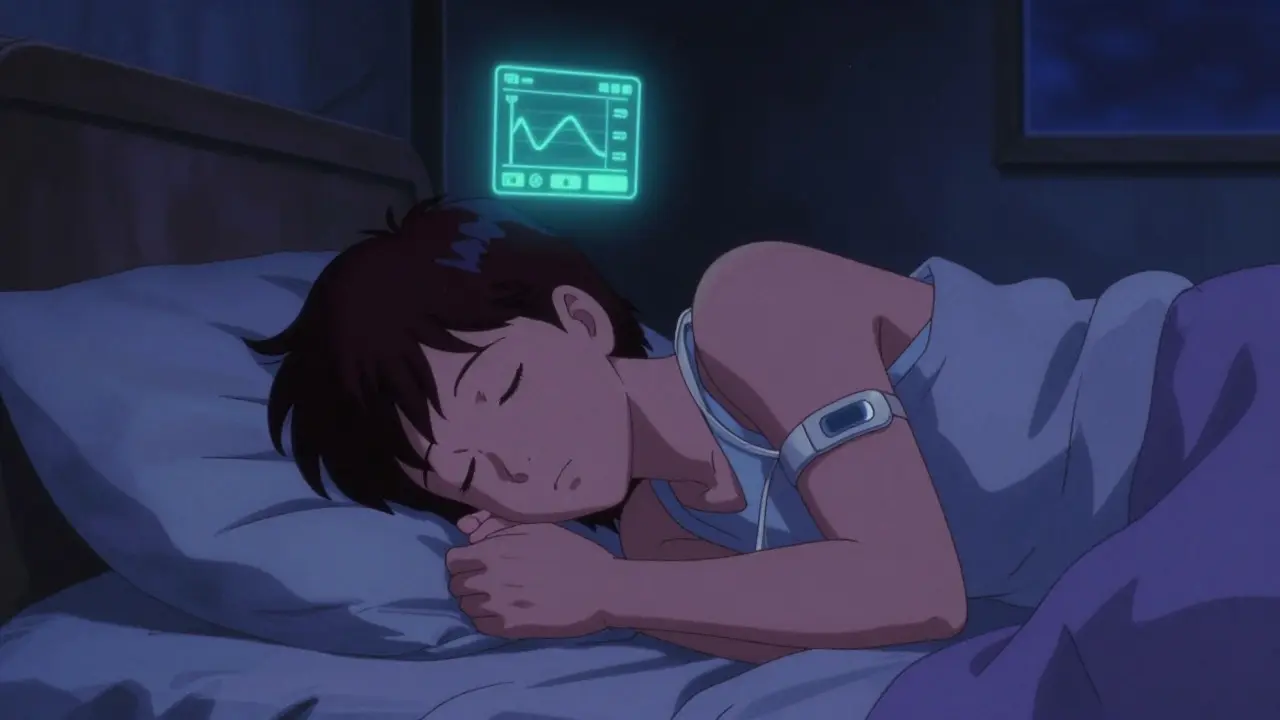
Modern technology has made managing alcohol and diabetes much easier. Continuous Glucose Monitors (CGMs) like the Dexcom G7 or Freestyle Libre are game-changers. Instead of pricking your finger repeatedly, you get real-time data on your phone. Many newer CGM models now include algorithms that alert you to trends, warning you if your blood sugar is dropping rapidly, even if it’s still within range.
These alerts are particularly useful late at night. Set your alarms to notify you if your blood sugar falls below a certain threshold while you sleep. This proactive approach can prevent a mild low from turning into a severe emergency. Additionally, sharing your CGM data with a trusted friend allows them to monitor your levels remotely, adding another layer of security when you’re socializing.
When to Avoid Alcohol Completely
While moderate drinking is safe for many, it’s not for everyone. You should likely avoid alcohol entirely if you have:
- Diabetic Neuropathy: Nerve damage can affect your ability to recognize hypoglycemia symptoms.
- Pancreatitis: Alcohol irritates the pancreas, worsening inflammation.
- Advanced Liver Disease: Since the liver processes alcohol, existing damage can lead to complications.
- Frequent Hypoglycemic Episodes: If you struggle to keep your blood sugar stable, adding alcohol introduces unnecessary variability.
- Pregnancy: The ADA recommends no alcohol during pregnancy, regardless of diabetes status.
Always consult your healthcare provider before making alcohol part of your routine. They can assess your individual health profile and provide personalized advice.
Frequently Asked Questions
Can I drink alcohol if I have type 1 diabetes?
Yes, most people with type 1 diabetes can drink alcohol in moderation. However, you must be extremely careful about monitoring your blood sugar, eating food with your drinks, and checking your levels before bed. The risk of nighttime hypoglycemia is significant, so having a support system and wearing medical ID is crucial.
Does red wine help with insulin resistance?
Some studies suggest that moderate red wine consumption may improve insulin sensitivity slightly due to antioxidants like resveratrol. However, the American Diabetes Association does not recommend starting to drink alcohol solely for health benefits. The potential cardiovascular benefits must be weighed against the risk of hypoglycemia and other side effects.
What should I do if my blood sugar drops while drinking?
Follow the "15-15 Rule": consume 15 grams of fast-acting carbohydrates (like glucose tablets or half a cup of fruit juice), wait 15 minutes, and check your blood sugar again. If it’s still low, repeat the process. Do not eat fatty foods like chocolate, as fat slows down sugar absorption. Inform your friends so they can assist if needed.
Is hard seltzer a good option for diabetics?
Yes, hard seltzer is generally one of the best choices. Most brands contain very few carbohydrates (around 2g per can) and minimal calories. Because it lacks the sugars found in beer or cocktails, it causes less fluctuation in blood glucose levels. Just remember to stick to the recommended limits for alcohol consumption.
How long does alcohol affect blood sugar levels?
Alcohol can inhibit your liver’s ability to release glucose for up to 12 hours after consumption. This means the risk of hypoglycemia persists well into the next day, especially if you drank heavily or didn’t eat enough carbohydrates. Always check your blood sugar before bed and consider a slow-digesting snack to maintain stability overnight.