
High blood pressure is often called the "silent killer" because it rarely shows symptoms until damage has already occurred. If you or a loved one has just been prescribed medication for hypertension, it can feel overwhelming to navigate the different types of drugs, their potential side effects, and how to stay safe while taking them. This guide breaks down the main classes of blood pressure medications, explains how they work, and offers practical advice on managing risks so you can make informed decisions with your healthcare provider.
Key Takeaways
- Thiazide diuretics, ACE inhibitors, ARBs, and Calcium channel blockers are the four most common first-line treatments for high blood pressure.
- Side effects vary significantly by drug class; for example, ACE inhibitors often cause a dry cough, while calcium channel blockers may lead to ankle swelling.
- Safety requires monitoring kidney function and electrolyte levels, especially when combining medications or if you have existing conditions like diabetes or kidney disease.
- Adherence is critical: about 50% of patients stop taking their medication within a year, often due to side effects or feeling "fine." Consistent use is key to preventing heart attacks and strokes.
- Individualized care is essential. Your doctor will choose a medication based on your age, ethnicity, other health conditions, and potential drug interactions.
Understanding the Main Classes of Blood Pressure Medications
There isn't a single "best" drug for everyone. Doctors select medications based on how they affect your specific body. The American Heart Association defines high blood pressure as systolic readings at or above 130 mmHg or diastolic readings at or above 80 mmHg. To bring these numbers down, doctors prescribe from several distinct categories, each targeting a different part of your cardiovascular system.
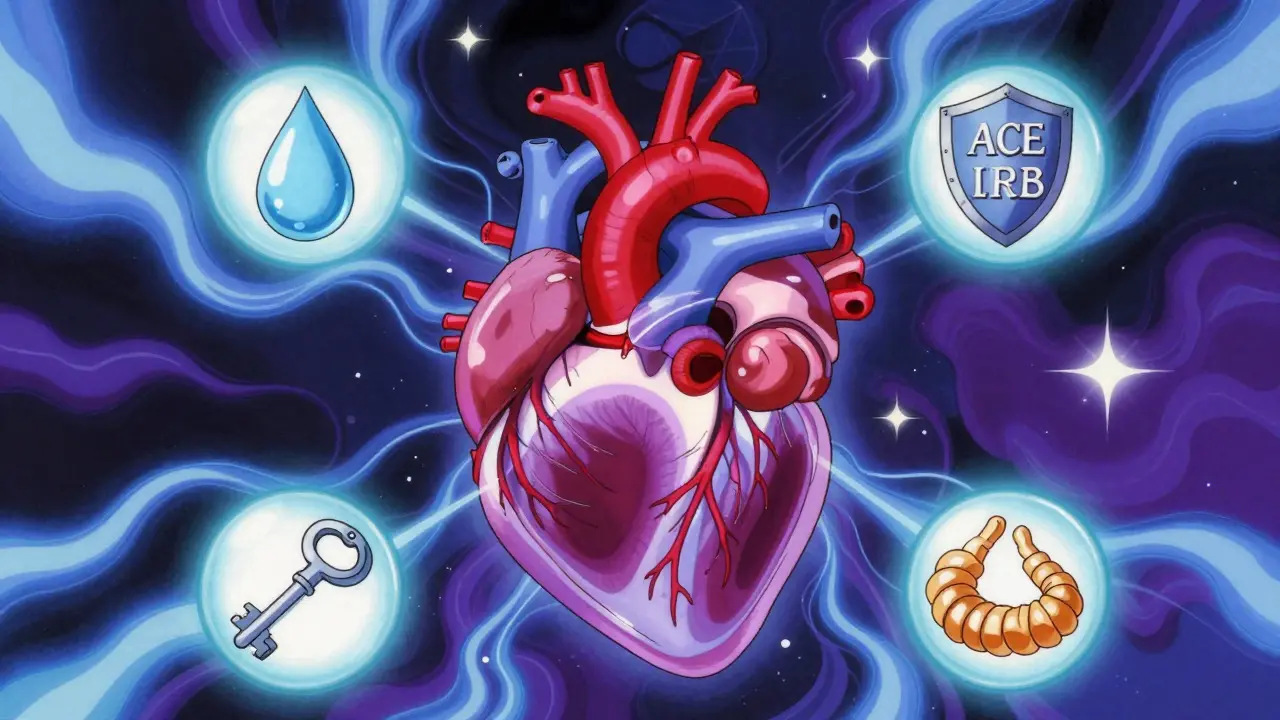
The most commonly prescribed options include:
- Diuretics (Water Pills): These help your kidneys remove excess sodium and water from your body. By reducing blood volume, they lower pressure on your artery walls. Hydrochlorothiazide is a widely used example. They are often the first choice for newly diagnosed patients.
- ACE Inhibitors: Drugs like lisinopril block the production of angiotensin II, a substance that narrows blood vessels. By preventing this narrowing, blood flows more easily. These are particularly beneficial for people with heart failure or kidney disease.
- ARBs (Angiotensin II Receptor Blockers): Similar to ACE inhibitors, ARBs like losartan prevent angiotensin II from tightening blood vessels. The main advantage is that they rarely cause the dry cough associated with ACE inhibitors.
- Calcium Channel Blockers: Medications such as amlodipine relax the muscles of your blood vessels. This allows more blood to flow through, lowering pressure. They are effective for many ethnic groups and are often used when other drugs don't work well enough.
- Beta-Blockers: These reduce the force and rate of your heartbeat. While not always the first line for simple high blood pressure, they are crucial for patients who have had a heart attack or have heart failure.
Your doctor might start with one type. If your blood pressure doesn't reach the target range, they may add a second medication from a different class. In fact, roughly 70% of patients need two or more drugs to achieve control.
Navigating Common Side Effects
Every medication has a side effect profile, but what affects one person might not bother another. Knowing what to expect helps you distinguish between a manageable nuisance and a sign that something is wrong.
ACE Inhibitors and ARBs The most famous side effect of ACE inhibitors is a persistent, dry cough. It happens in about 10-20% of users. If this bothers you, switching to an ARB usually solves the problem without losing the blood pressure benefits. Both classes can raise potassium levels, which is why regular blood tests are important, especially if you also take salt substitutes or have kidney issues.
Calcium Channel Blockers Amlodipine and similar drugs can cause fluid retention in the ankles (peripheral edema). You might also experience flushing, headaches, or gum overgrowth (gingival hyperplasia) if oral hygiene isn't strict. Dizziness upon standing is less common than with other classes but still possible.
Diuretics Since these increase urine output, you'll likely find yourself visiting the bathroom more often, especially at night. A major concern is electrolyte imbalance. Thiazide diuretics can lower potassium levels, leading to muscle cramps or weakness. They can also raise uric acid, potentially triggering gout in susceptible individuals.
Beta-Blockers These can slow your heart rate significantly, leading to fatigue, cold hands and feet, or sleep disturbances. For people with diabetes, beta-blockers can mask the warning signs of low blood sugar, such as tremors and rapid heartbeat, making it harder to detect hypoglycemia.
Safety First: Monitoring and Interactions
Safety isn't just about avoiding side effects; it's about ensuring the medication works effectively without causing new problems. This requires active monitoring and awareness of how your meds interact with other substances.
Kidney Function and Electrolytes Your kidneys filter waste and regulate electrolytes. Many blood pressure drugs affect this process. If you're taking ACE inhibitors, ARBs, or diuretics, your doctor will periodically check your blood for potassium and creatinine levels. High potassium (hyperkalemia) can be dangerous for the heart, while low potassium can cause irregular heartbeats. Never skip these routine blood tests.
Drug Interactions Some combinations are risky. For instance, taking non-steroidal anti-inflammatory drugs (NSAIDs) like ibuprofen regularly alongside ACE inhibitors or ARBs can strain your kidneys and reduce the effectiveness of your blood pressure medication. Similarly, combining an ACE inhibitor with an ARB is generally not recommended because it increases the risk of kidney injury and high potassium without offering extra benefit. Always tell your pharmacist about every supplement, over-the-counter painkiller, or herbal remedy you take.
Pregnancy Considerations If you are pregnant or planning to become pregnant, some blood pressure medications are strictly off-limits. ACE inhibitors, ARBs, and direct renin inhibitors can harm the developing fetus. Methyldopa and labetalol are typically preferred alternatives in these cases. Always consult your obstetrician before starting or stopping any medication during pregnancy.
Personalizing Your Treatment Plan
One size does not fit all in hypertension management. Guidelines suggest tailoring therapy based on individual factors. For example, initial treatment for Black patients often prioritizes thiazide diuretics or calcium channel blockers, as these tend to be more effective in this population compared to ACE inhibitors alone. Conversely, for patients with chronic kidney disease or protein in the urine, ACE inhibitors or ARBs are usually the top choice due to their protective effects on the kidneys.
If you have a history of heart attack, beta-blockers play a vital role in protecting the heart muscle. Age also matters. Older adults may start on lower doses to avoid dizziness or falls caused by sudden drops in blood pressure when standing up (orthostatic hypotension).
| Class | Common Examples | Primary Mechanism | Key Side Effects | Best For |
|---|---|---|---|---|
| Diuretics | Hydrochlorothiazide | Removes sodium/water | Frequent urination, low potassium | First-line therapy, elderly |
| ACE Inhibitors | Lisinopril | Blocks angiotensin II production | Dry cough, high potassium | Heart failure, kidney disease |
| ARBs | Losartan | Blocks angiotensin II receptors | High potassium (no cough) | Alternative to ACE inhibitors |
| Calcium Channel Blockers | Amlodipine | Relaxes blood vessel muscles | Ankle swelling, headache | Isolated systolic hypertension |
| Beta-Blockers | Metoprolol | Slows heart rate | Fatigue, cold extremities | Post-heart attack, heart failure |

Improving Adherence and Daily Management
The best medication in the world won't help if you don't take it consistently. Studies show that half of patients stop taking their blood pressure pills within the first year. Why? Often, they feel fine and forget that hypertension is silent. Or, a minor side effect makes them want to quit. To stay on track:
- Tie it to a habit: Take your pill with breakfast or brushing your teeth. Routine builds consistency.
- Use reminders: Phone apps or pill organizers can help, improving adherence rates by up to 20%.
- Monitor at home: Keeping a log of your home blood pressure readings gives your doctor valuable data. It helps confirm whether the current dose is working or needs adjustment.
- Communicate early: If you notice a new symptom, don't wait for your next appointment. Call your doctor. Small adjustments can often resolve issues before they become reasons to stop treatment.
Frequently Asked Questions
Can I stop taking my blood pressure medication if my readings are normal?
Generally, no. Normal readings mean the medication is working. Stopping abruptly can cause a rebound spike in blood pressure, increasing stroke risk. Only stop under medical supervision if your doctor determines your lifestyle changes have controlled your hypertension permanently.
What should I do if I get a dry cough from my ACE inhibitor?
Talk to your doctor. They will likely switch you to an ARB (like losartan), which provides similar blood pressure control without the cough side effect. Do not stop the medication on your own without consulting your provider.
Are blood pressure medications safe for people with diabetes?
Yes, but selection matters. ACE inhibitors and ARBs are often preferred because they protect the kidneys, which are vulnerable in diabetes. However, beta-blockers can mask low blood sugar symptoms, so careful monitoring is required if they are prescribed.
How quickly do blood pressure medications start working?
Most medications begin affecting blood pressure within days to weeks. However, full stabilization and assessment of efficacy usually require 4 to 8 weeks. Your doctor will schedule follow-ups during this period to adjust doses if necessary.
Can I take NSAIDs like ibuprofen with my blood pressure meds?
Use caution. Regular use of NSAIDs can weaken the effect of ACE inhibitors, ARBs, and diuretics, and may stress your kidneys. Acetaminophen is generally a safer alternative for pain relief, but always check with your pharmacist for specific interactions with your prescription.