Your medicine cabinet is probably the most dangerous place in your house right now. Not because of the pills themselves, but because of where they are sitting. If you have children under five or teenagers who might experiment with prescriptions, a simple drawer full of expired antibiotics could turn into an emergency room visit within seconds. But there is a bigger, less visible threat lurking in that same box: counterfeit drugs. With global supply chains getting more complex, ensuring what you buy is real is just as critical as keeping it safe from curious fingers.
Protecting your home supply isn't just about locking things away; it’s about creating a system that preserves potency, prevents accidental poisoning, and verifies authenticity. Here is how to build that defense without turning your bathroom into a fortress.
The Hidden Cost of Bad Storage
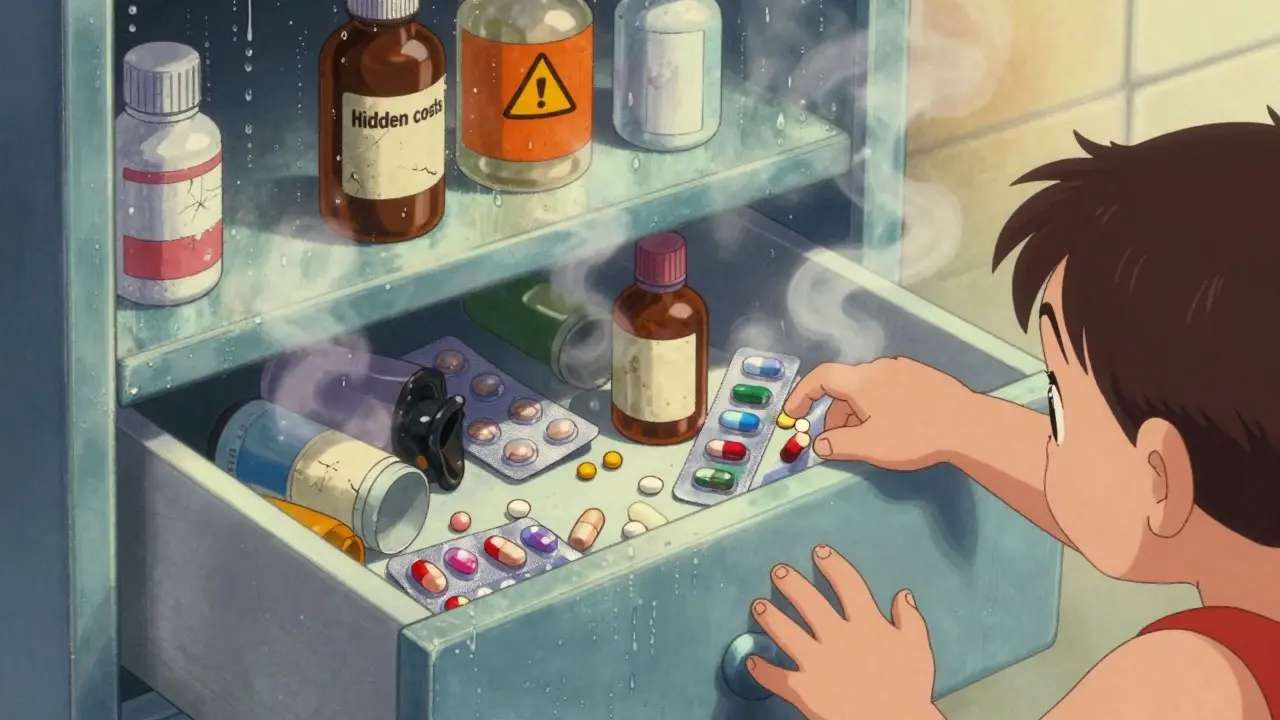
Most people assume that if a pill looks fine, it works fine. That assumption costs the healthcare system billions every year. According to recent data from the U.S. Environmental Protection Agency (EPA), nearly every household in America keeps prescription or over-the-counter meds at home. This creates a massive exposure risk. Children under five account for 60% of accidental medication poisonings treated in emergency departments. Why? Because we store our meds in places that are easy for us to reach but even easier for a toddler to access.
Beyond safety, there is the issue of efficacy. Did you know that storing aspirin in a humid bathroom can cause it to degrade into vinegar and salicylic acid in as little as 14 days? The heat and steam from showers create humidity spikes exceeding 80%, which destroys the chemical structure of many common drugs. Ampicillin, for example, loses 30% of its potency within just seven days at 75% humidity. So, that antibiotic you’re taking might not be doing half the job it should if it’s been sitting next to your toothbrush.
Identifying Counterfeit Medications
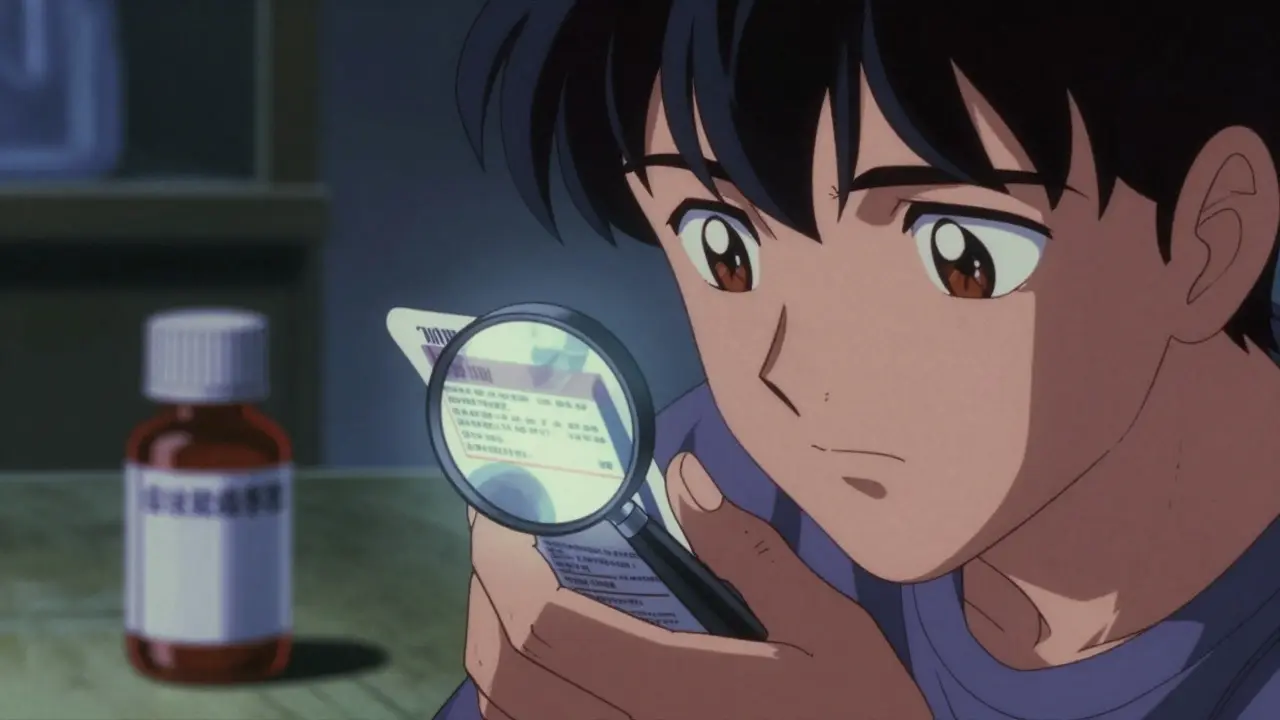
Before you worry about where to put your meds, you need to be sure they are genuine. Counterfeit drugs are a growing global problem, often slipping into legitimate supply chains or appearing through online pharmacies. How do you spot them? It’s rarely about the color of the pill. Instead, look at the packaging and the source.
- Packaging Quality: Genuine medications usually have high-quality printing. Blurry text, misspelled words, or peeling labels are red flags. Check the National Drug Code (NDC) number on the label against the manufacturer’s website.
- Sourcing: Buy only from licensed pharmacies. If a deal seems too good to be true-like buying insulin for half price online-it probably is. The FDA warns that unverified online sources are the primary entry point for fake drugs in households.
- Physical Changes: While counterfeits mimic appearance, they often fail in texture. Pills that crumble easily, change shape after a few months, or taste significantly different than before may be compromised by poor storage or outright fraud.
In 2024, the FDA began piloting blockchain-based verification systems with major pharmacy chains. While this tech isn’t fully in your home yet, it signals a shift toward digital authenticity checks. Until then, your best tool is skepticism toward unknown sources and careful inspection of every new bottle you bring home.
The Gold Standard: Locked Storage Solutions
If you want to stop accidental ingestions, child-resistant caps aren’t enough. The American Academy of Pediatrics notes that these caps reduce poisoning risk by only 45%. Combine that with a locked cabinet, and the risk drops by 92%. This is the single most effective intervention available to you today.
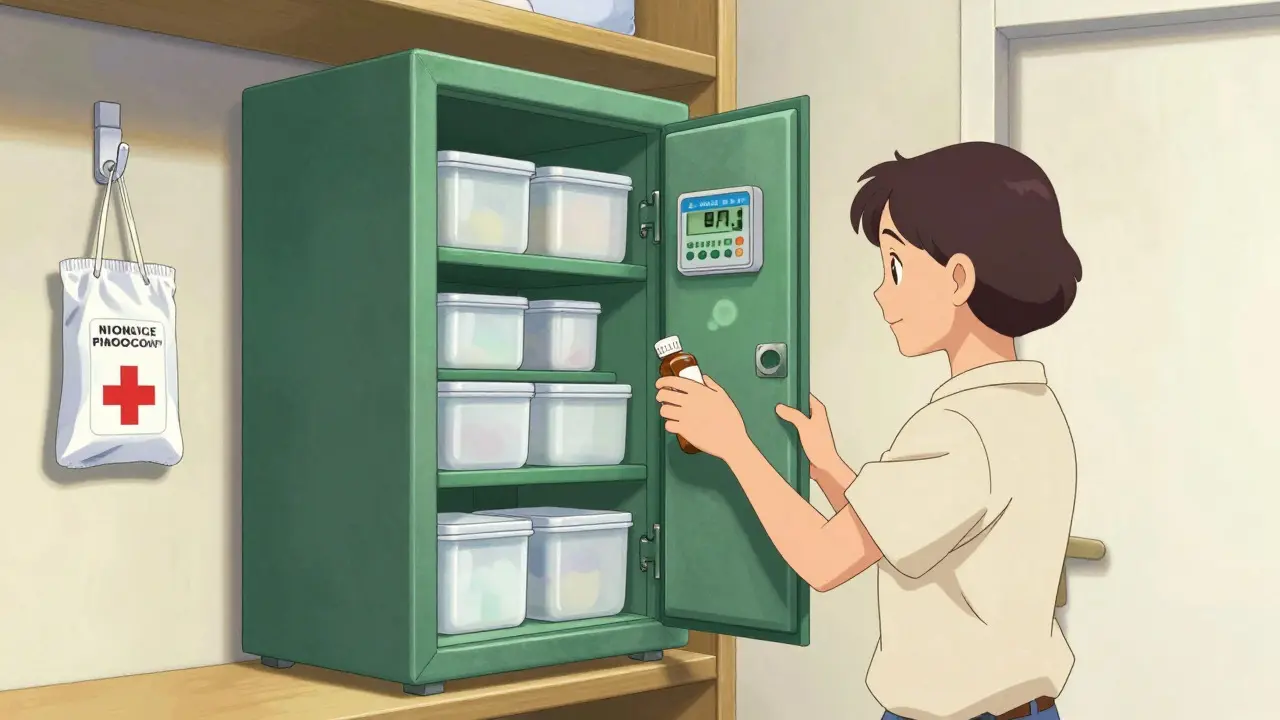
You don’t need a bank vault. You need a dedicated space that meets three criteria: it’s locked, it’s dry, and it’s out of sight. A fireproof document box, a small gun safe, or a dedicated medication lockbox all work well. The key is consistency. If you have one central location for all non-refrigerated meds, you eliminate the "scattered" problem where a leftover blister pack ends up in a purse or a coat pocket. Remember, 28% of accidental toddler ingestions happen because parents left meds in accessible personal items.
| Storage Method | Safety Rating (Pediatric) | Efficacy Preservation | Best For |
|---|---|---|---|
| Bathroom Cabinet | Low (High Humidity) | Poor (Degrades fast) | Quick access only (short-term) |
| Bedroom Dresser Drawer | Medium (Unlocked) | Good (Dry air) | Daily maintenance meds |
| Locked Wall Safe | High (ASTM F2090-19) | Excellent (Controlled env.) | Opioids, High-risk meds |
| Refrigerator (Lockable Bin) | Medium (Requires Lock) | Essential for Biologics | Insulin, Certain Antibiotics |
Specific Rules for Sensitive Medications
Not all meds play by the same rules. Some require specific environmental conditions to stay potent. If you ignore these, you aren’t just risking safety; you’re wasting money on ineffective treatment.
- Refrigerated Meds (e.g., Insulin): These need temperatures between 36-46°F (2-8°C). Do not store them in the main fridge compartment where temperature fluctuates. Use a dedicated, lockable container inside the fridge door shelf. Dr. Janet Woodcock from the FDA noted that improper storage causes 23% of reported efficacy failures, particularly affecting biologics like insulin which degrades rapidly at room temperature.
- Light-Sensitive Meds (e.g., Tetracycline): Direct sunlight can degrade tetracycline 40% faster. Keep these in opaque containers or dark corners of your locked cabinet. Avoid clear plastic organizers near windows.
- Emergency Meds (e.g., Naloxone/Narcan): This is the exception to the "lock everything up" rule. NACoA guidelines state that naloxone must be accessible within 10 seconds during an overdose emergency. Store it in a clearly marked, unlocked but secure spot, like a dedicated wall hook in the hallway, so any family member can grab it instantly.
Building Your Home Safety Protocol
Changing habits takes time, but the payoff is peace of mind. Start with a 15-minute audit. Go through every room and find where your meds are currently hiding. Count them. Note which ones are expired. Then, consolidate. Move everything to your two designated zones: the locked cabinet for long-term storage and the refrigerator bin for cold-chain items.
Next, establish a routine. The CDC suggests it takes 3-5 weeks for a new habit to stick. When you take your morning meds, put the bottle back in the locked cabinet immediately. Don’t leave it on the nightstand while you brush your teeth. That 30-second window is when accidents happen. For elderly family members with arthritis, consider combination locks with large dials rather than tiny keys, balancing security with ease of use.
Finally, check your inventory quarterly. Set a reminder on your phone for the first Sunday of each quarter. Pull out your meds, check expiration dates, and dispose of anything past its prime. Proper disposal matters too. Flushing most pills down the toilet contaminates water systems. Use take-back programs at local pharmacies or wait for DEA collection days. As of 2024, there are over 14,000 permanent collection sites in the U.S. alone.
Frequently Asked Questions
Is it safe to store medications in the bathroom?
Generally, no. The humidity from showers and baths can exceed 80%, causing drugs like aspirin and ampicillin to lose potency quickly. If you must store meds there, keep them in a waterproof, airtight container away from the shower stall. However, a bedroom closet or kitchen cabinet is a much safer and more stable environment.
How can I tell if my prescription is counterfeit?
Check the packaging for blurry text, misspellings, or poor print quality. Verify the National Drug Code (NDC) on the label with the manufacturer’s website. Be wary of buying from unverified online pharmacies. If the pill texture, smell, or taste has changed significantly since your last refill, consult your pharmacist immediately.
Do I really need a locked safe for my medications?
If you have children under five or live with teenagers, yes. Child-resistant caps alone reduce poisoning risk by only 45%, but adding a lock boosts that protection to 92%. A simple $20-$50 lockbox is sufficient; you don’t need a heavy-duty gun safe unless you are storing large quantities of opioids.
Where should I store insulin?
Unopened vials should stay in the refrigerator (36-46°F / 2-8°C). Once opened, most insulins can be kept at room temperature for 28-42 days, depending on the brand, but should never be frozen. Always check the specific insert for your brand. Store it in a lockable bin to prevent accidental ingestion by children, who might mistake it for juice.
What is the best way to dispose of old medications?
Look for a permanent drug take-back site at a local pharmacy or police station. If none are nearby, mix most meds (except those labeled "do not flush") with unpalatable substances like coffee grounds or cat litter, seal them in a bag, and throw them in the trash. Only flush medications specifically identified by the FDA as safe to flush, such as certain opioids, to prevent diversion.