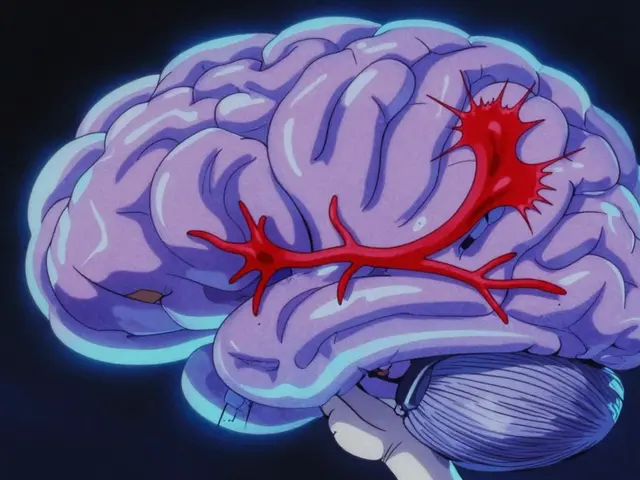
Imagine reaching for your coffee mug, only to find your hand trembling uncontrollably. Or try buttoning a shirt when your fingers feel stiff and slow. For millions of people, this isn’t a hypothetical scenario-it’s their daily reality. Parkinson’s disease is a progressive neurodegenerative disorder that affects movement by damaging dopamine-producing neurons in the brain. It was first described by James Parkinson in 1817, but it wasn't until Arvid Carlsson discovered dopamine's role in motor control in 1957 that we began to truly understand how to treat it.
If you or a loved one has received this diagnosis, the path forward can feel overwhelming. You might be wondering what these symptoms actually mean, how medications will help, and whether you’ll still be able to live independently. The good news? With the right knowledge and tools, many people manage their symptoms effectively for years. Let’s break down what you need to know about motor symptoms, treatment options, and practical strategies for daily life.
Understanding the Core Motor Symptoms
To manage Parkinson’s, you first need to recognize what’s happening in your body. Doctors diagnose the condition based on four main motor symptoms. If you have two or more of these, along with other supportive signs, a neurologist may confirm Parkinson’s.
- Tremor: This is often the most visible sign. About 70% of patients experience a resting tremor, usually starting in one hand. It looks like a “pill-rolling” motion between the thumb and forefinger. Interestingly, this shaking often stops when you move voluntarily, like picking up a glass.
- Rigidity: Your muscles become stiff and resist movement. There are two types: “cogwheel” rigidity (where stiffness alternates with relaxation) and “lead-pipe” rigidity (constant resistance). This stiffness can make simple movements painful or difficult.
- Bradykinesia: This Greek term means “slow movement.” It’s the most consistent symptom-present in nearly every patient. You might notice a mask-like face (hypomimia), fewer blinks, or trouble with fine tasks like buttoning shirts. Studies show dressing takes 2.3 times longer for people with Parkinson’s compared to others their age.
- Postural Instability: Balance issues usually appear later, after 5-10 years. This increases fall risk significantly. In fact, about 68% of patients fall at least once a year.
Beyond these four, you might also experience micrographia (handwriting getting smaller), hypophonia (voice becoming softer), or dystonia (muscle spasms). These aren’t just inconveniences-they’re signals from your nervous system that need attention.
How Medications Work to Manage Symptoms
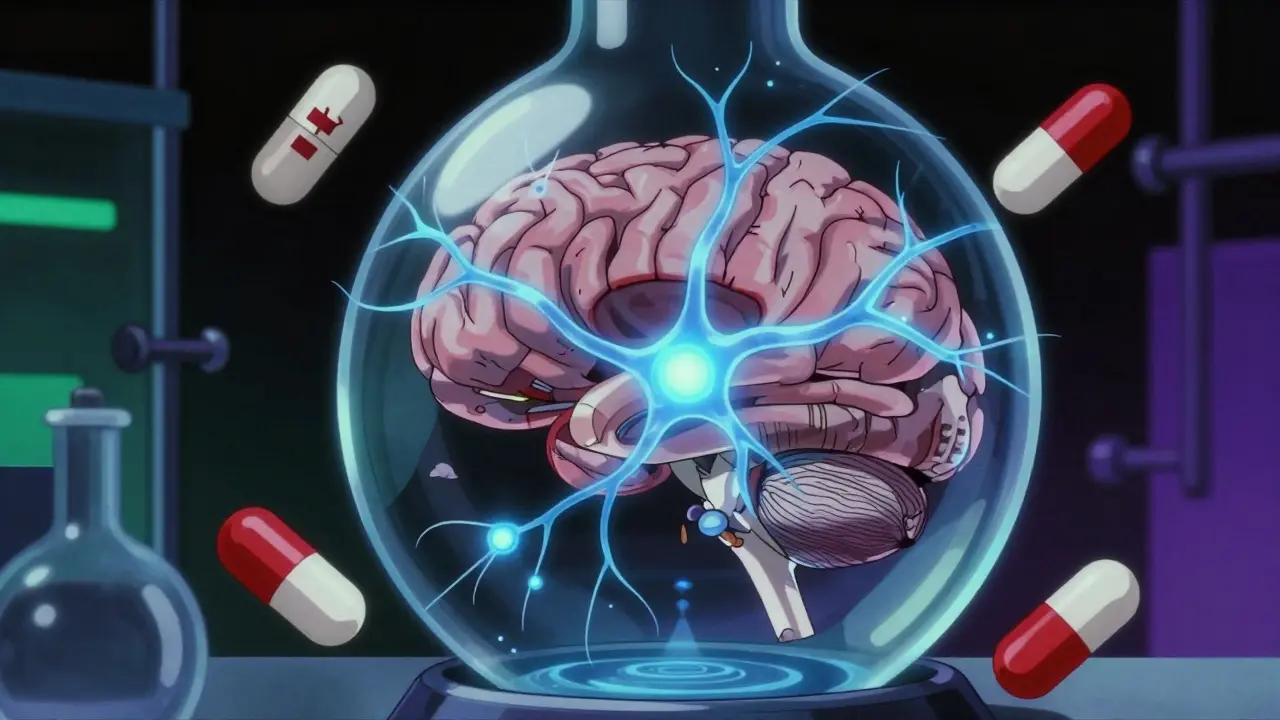
Medication is the cornerstone of Parkinson’s treatment. Since the disease damages cells that produce dopamine-a chemical messenger crucial for smooth movement-most drugs aim to boost dopamine levels or mimic its effects.
| Medication Type | How It Works | Best For | Key Considerations |
|---|---|---|---|
| Levodopa (L-DOPA) | Converts to dopamine in the brain | Most effective for motor symptoms; gold standard since 1967 | After 5 years, up to 50% of users develop motor fluctuations or dyskinesias (involuntary movements) |
| Dopamine Agonists (e.g., Pramipexole, Ropinirole) | Mimics dopamine’s action directly | Younger patients to delay Levodopa use | Controls symptoms in 50-60% of early-stage patients; may cause impulse control issues |
| MAO-B Inhibitors (e.g., Selegiline) | Prevents breakdown of existing dopamine | Early-stage mild symptoms | Often used as add-on therapy; generally well-tolerated |
Levodopa remains the most powerful tool, helping 70-80% of patients initially. But here’s the catch: long-term use can lead to “wearing-off” periods where medication stops working before the next dose. That’s why doctors often start younger patients with dopamine agonists first. They’re less potent but carry lower risks of long-term complications.
When medications no longer provide enough relief, about 30% of patients consider Deep Brain Stimulation (DBS) surgery after 10+ years. DBS involves implanting electrodes in specific brain areas to regulate abnormal signals. It’s not a cure, but it can dramatically reduce tremors and improve quality of life.
Navigating Daily Living Challenges
Living with Parkinson’s means adapting to new physical realities. But adaptation doesn’t mean giving up-it means getting smarter about how you do things.
Gait and Balance: Walking speed drops by 30-40%, and step length shrinks by 25-35%. Decreased arm swing affects coordination in 75% of patients. Try these tips:
- Use visual cues: Tape lines on the floor to step over.
- Practice turning in wide arcs instead of pivoting on one foot.
- Wear sturdy shoes with non-slip soles.
Fine Motor Skills: Buttoning shirts or tying shoelaces becomes frustratingly slow. Switch to elastic waistbands, Velcro closures, or magnetic buttons. Use adaptive utensils with thick handles if grip strength declines.
Speech and Swallowing: Voice volume drops by 5-10 decibels, making conversations hard. Practice speaking louder and pausing between phrases. Dysphagia (swallowing difficulty) affects 35% of early-stage and 80% of advanced-stage patients. Work with a speech therapist to learn safe swallowing techniques-this reduces pneumonia risk, which causes 70% of Parkinson’s-related deaths.
Sleep and Energy: Akathisia (restlessness) affects 15-25% of patients, disrupting sleep. Establish a strict bedtime routine, avoid caffeine after noon, and discuss sleep aids with your doctor if needed.
The Power of Non-Drug Therapies
Medications alone aren’t enough. A multidisciplinary approach yields the best results. Physical therapy, occupational therapy, and specialized exercise programs are proven to slow functional decline.
Research shows that 12 weeks of targeted exercise improves walking speed by 15-20% and cuts fall risk by 30%. Activities like boxing classes designed for Parkinson’s patients, dance therapy, or tai chi enhance balance, coordination, and mood. Don’t underestimate the mental health aspect-depression and anxiety are common companions to motor symptoms. Counseling or support groups can be lifelines.
Also, don’t ignore nutrition. Dysphagia leads to poor intake and weight loss. Eat smaller, frequent meals. Chew thoroughly. Sit upright while eating and for 30 minutes afterward. Stay hydrated-dehydration worsens constipation, another common issue.

What Experts Say About Diagnosis and Progression
Diagnosis isn’t always straightforward. Dr. Michael S. Okun, National Medical Director of the Michael J. Fox Foundation, notes that tremor is absent in 20-30% of cases at diagnosis. Bradykinesia, however, is nearly universal and highly specific (95%) when properly assessed. Look for unilateral onset (starting on one side), persistent asymmetry, and excellent response to Levodopa as key diagnostic clues.
Progression varies widely. The Hoehn and Yahr scale describes five stages:
- Stage 1: Unilateral symptoms, minimal impact.
- Stage 2: Bilateral symptoms, some postural instability.
- Stage 3: Mild to moderate disability, balance issues begin.
- Stage 4: Severe disability, unable to walk unassisted.
- Stage 5: Wheelchair-bound or bedridden, severe rigidity.
Remember: this scale is a guide, not a destiny. Many people stay in Stage 2 or 3 for decades with proper management.
Looking Ahead: Research and Hope
While no cure exists yet, research is accelerating. Alpha-synuclein targeting therapies are in clinical trials, aiming to modify disease progression rather than just treating symptoms. Gene therapy and stem cell research offer future possibilities. Meanwhile, wearable devices that monitor movement patterns help doctors adjust treatments in real time.
You’re not alone in this journey. Organizations like the Parkinson’s Foundation and Michael J. Fox Foundation provide resources, community support, and updates on breakthroughs. Knowledge is power-and understanding your condition empowers you to take charge of your care.
Is Parkinson’s disease curable?
No, there is currently no cure for Parkinson’s disease. However, treatments can effectively manage symptoms for many years. Research into disease-modifying therapies is ongoing, particularly targeting alpha-synuclein proteins.
What is the average life expectancy with Parkinson’s?
Life expectancy is near normal for most people diagnosed after age 60. Death is usually due to complications like pneumonia from swallowing difficulties, not the disease itself. Early diagnosis and proactive care significantly extend healthy lifespan.
Can exercise really slow Parkinson’s progression?
Yes. High-intensity aerobic exercise, strength training, and balance-focused activities like tai chi have been shown to improve motor function, reduce fall risk, and potentially slow neurological decline. Aim for at least 150 minutes per week.
When should I consider Deep Brain Stimulation (DBS)?
DBS is typically considered after 5-10 years when medications cause significant side effects (like dyskinesias) or lose effectiveness. Candidates must have good cognitive function and realistic expectations. Consult a neurosurgeon specializing in movement disorders.
Are there dietary changes that help with Parkinson’s?
A Mediterranean-style diet rich in antioxidants, fiber, and omega-3 fatty acids supports brain health. Protein timing matters too-high-protein meals can interfere with Levodopa absorption, so space them out from medication doses as advised by your doctor.
Why does my voice get quieter with Parkinson’s?
Hypophonia occurs because reduced dopamine affects the muscles controlling vocal cords. Speech therapy using techniques like LSVT LOUD can retrain your brain to produce louder, clearer speech. Practice daily exercises prescribed by a specialist.
Is young-onset Parkinson’s different from late-onset?
Yes. Young-onset (before age 50) accounts for 4% of cases. It often progresses slower but has higher rates of dystonia and dyskinesias. Treatment focuses heavily on delaying Levodopa use to preserve long-term mobility.