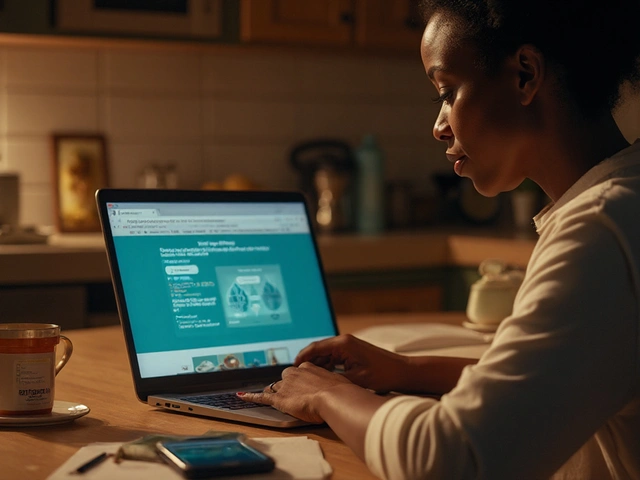
Imagine fixing a persistent whistling sound in your hearing aids, which are electronic devices designed to amplify sound for individuals with hearing loss without driving an hour to the clinic. Or getting a professional check-up while sitting in your favorite armchair. This is not a futuristic dream; it is the reality of teleaudiology, defined as the delivery of audiology services via telecommunication technologies, enabling remote diagnosis, treatment, and management of hearing conditions. For millions of people, especially those in rural areas or with mobility issues, this shift from traditional brick-and-mortar clinics to virtual care has been nothing short of life-changing.
The pandemic accelerated what was already happening: a massive move toward digital health. By late 2023, nearly two-thirds of U.S. audiology practices were offering some form of remote service. But does it actually work? Can you really trust a video call to fix something as complex as your ability to hear? The short answer is yes, but with specific boundaries. Understanding how remote hearing care works, its limitations, and who benefits most will help you decide if it’s right for you.
How Teleaudiology Actually Works
Teleaudiology isn’t just one thing. It operates through two main methods, each serving a different purpose. Knowing the difference helps you understand what to expect when you book a virtual appointment.
Synchronous teleaudiology is the real-time interaction model. Think of it like a Zoom call with your audiologist. You can see each other, talk instantly, and often use specialized software that lets the clinician control your hearing aids remotely. Some advanced setups, like the Clinic-in-a-Box® system, even allow the audiologist to run hearing tests on their end while you sit at home with a tablet. This method is excellent for fine-tuning devices, counseling, and follow-ups where immediate feedback matters.
Asynchronous teleaudiology, on the other hand, doesn’t require you and the provider to be online at the same time. You might complete a hearing screening via a mobile app in the morning. Your results are securely sent to your audiologist, who reviews them later and sends back recommendations or prescription adjustments via email or a secure portal. This is great for routine monitoring or initial screenings where instant conversation isn’t critical.
To make either method work, you need basic tech setup. A smartphone or computer with a stable broadband connection (at least 5 Mbps upload/download speed) is essential. Most modern Bluetooth-enabled hearing aids, such as those from Phonak, ReSound, Oticon, and Starkey, pair directly with these apps. Don’t worry if you aren’t tech-savvy; studies show that 82% of users aged 65 and older successfully navigate these systems after just a little guidance.
The Benefits: Why Patients Are Switching
The biggest advantage of teleaudiology is obvious: convenience. But the data shows deeper benefits beyond just saving gas money.
- Access for Rural Residents: Research published in the International Journal of Audiology found that teleaudiology improved access for 78% of rural patients who previously traveled more than 50 miles to reach a clinic. Average travel time dropped from 2.3 hours to near zero.
- Cost Savings: Virtual visits typically cost 15-20% less than in-person appointments. While an in-person visit might average $140-$180, a tele-audiology session often runs between $120-$150. Plus, you save roughly $87 per appointment on associated costs like fuel and parking.
- Real-World Adjustments: This is a game-changer. In a clinic, the room is quiet. In real life, you’re in noisy restaurants or crowded family gatherings. With remote programming, your audiologist can adjust your hearing aids while you are actually in those challenging environments. Case studies from Hearzap showed this approach improves patient outcomes by 31% for difficult listening situations.
- Higher Satisfaction: Patient satisfaction scores for remote hearing aid adjustments average 4.6 out of 5.0, slightly higher than the 4.2 out of 5.0 for in-person visits. Why? Because problems get solved faster, and you don’t have to wait in a lobby.

Limitations: When You Still Need a Clinic Visit
Despite the hype, teleaudiology cannot replace every aspect of traditional care. It is a powerful tool, but it has blind spots.
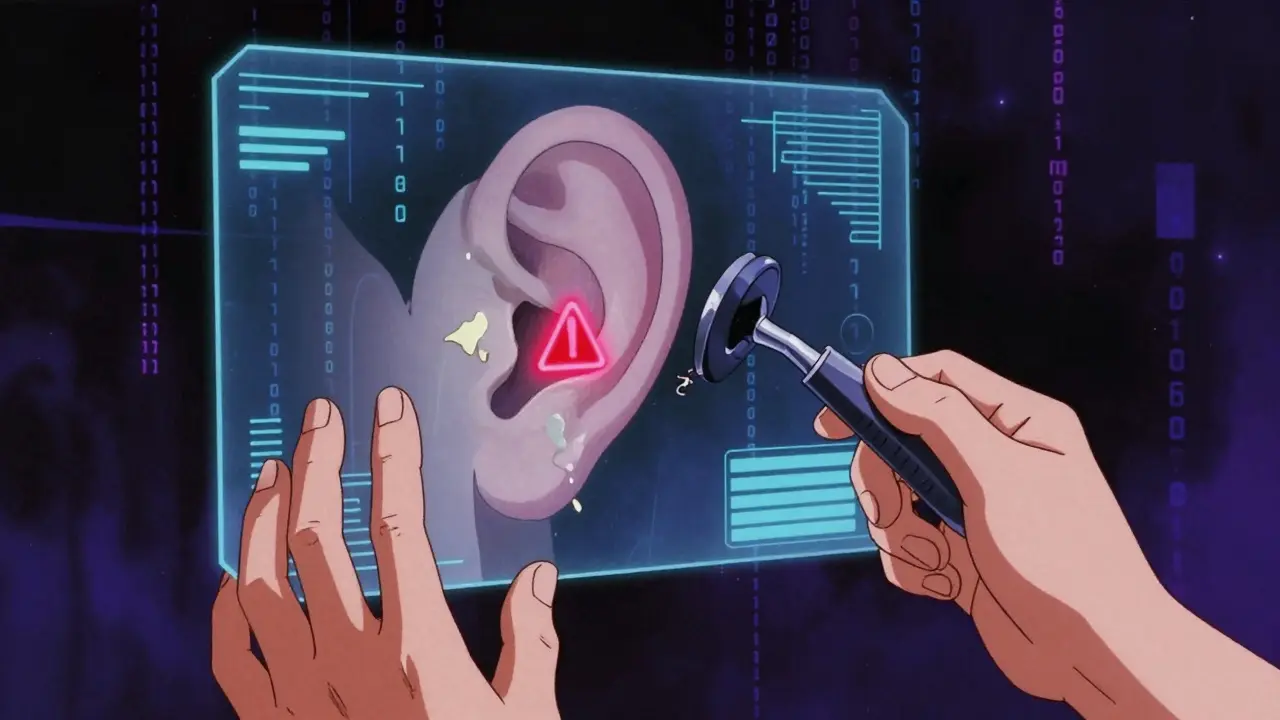
The most significant limitation is the inability to perform physical ear examinations. An audiologist cannot look inside your ear canal via a webcam. This creates a 12-15% risk of missing medically significant conditions, such as severe earwax blockages (cerumen impaction), infections, or eardrum issues, which would be immediately visible during an in-person otoscopy. If you suspect wax buildup, a virtual visit won’t help-you need a professional removal.
Acoustic environment is another hurdle. Home environments are rarely acoustically treated like clinical booths. Background noise from TVs, traffic, or household members can skew test results. Data indicates that ambient noise affects the accuracy of 37% of remote tests. While remote pure-tone audiometry achieves 92-95% accuracy in controlled home settings, this drops to 78-85% in suboptimal conditions.
Regulatory barriers also exist. In the United States, licensure laws vary by state. As of mid-2024, 28 states restrict cross-state practice for audiologists. Additionally, Medicare reimbursement for tele-audiology services remains limited to only 18 states, meaning insurance coverage can be patchy depending on where you live.
| Feature | Teleaudiology | In-Person Visit |
|---|---|---|
| Average Cost | $120 - $150 | $140 - $180 |
| Travel Time | Near Zero | 1 - 3+ Hours |
| Physical Ear Exam | Not Possible | Yes (Otoscopy) |
| Earwax Removal | No | Yes |
| Real-World Adjustment | Yes (In your home/environment) | No (Quiet booth only) |
| Patient Satisfaction | 4.6 / 5.0 | 4.2 / 5.0 |
Who Is the Best Candidate for Remote Care?
Teleaudiology is not a one-size-fits-all solution. It shines brightest for specific groups of people.
If you live in a rural area, you are likely the primary beneficiary. The reduction in travel burden is immense. Similarly, individuals with mobility issues, chronic pain, or transportation difficulties find virtual care liberating. One user on Reddit shared that saving three-hour round trips for minor adjustments was "life-changing" after hip surgery.
It is also ideal for routine maintenance. If you have had your hearing aids for years and just need a tweak because the battery life changed or a program feels off, tele-audiology is efficient. However, for new diagnoses, sudden hearing loss, or complex medical histories, experts recommend a hybrid approach. According to the American Academy of Audiology, 73% of complex cases still benefit from at least one in-person visit annually. Dr. Charles Berlin, a professor emeritus at Louisiana State University, cautions that relying solely on remote care for initial comprehensive evaluations can lead to missed diagnoses.
Getting Started: A Practical Checklist
Ready to try it? Here is how to prepare for your first session to ensure success.
- Check Your Internet Speed: Use a free online speed test. Ensure you have at least 5 Mbps. If your Wi-Fi is spotty, consider using your phone’s cellular data hotspot.
- Download the Right App: Contact your hearing aid manufacturer. Phonak uses myPhonak, ReSound uses the ReSound Smart app, etc. Create your account before the appointment.
- Prepare a Quiet Space: Find a room with minimal background noise. Close windows, turn off fans, and silence phones. Acoustic quality directly impacts test accuracy.
- Charge Your Devices: Ensure both your hearing aids and your smartphone/computer are fully charged.
- Test Bluetooth Pairing: Try connecting your hearing aids to your device 10 minutes before the call. Bluetooth pairing issues occur in 33% of initial sessions, so troubleshooting early saves time.
- Have a Backup Plan: Keep your audiologist’s phone number handy. If the video fails, you should be able to switch to a voice call quickly.
Most users become proficient after just one 30-minute tutorial session. Major manufacturers offer 24/7 technical support with average response times under 10 minutes, so you are not alone if things go wrong.
The Future of Hearing Care
We are only scratching the surface. The global tele-audiology market grew from $1.2 billion in 2019 to an estimated $4.7 billion in 2023. Experts predict it will represent 55-60% of all hearing aid follow-up appointments by 2027.
Artificial Intelligence is the next big leap. New features, like Widex’s AI-powered environment detection, automatically adjust settings based on where you are. The FDA’s recent guidance updates have also expanded tele-audiology applications for Over-The-Counter (OTC) hearing aids, potentially opening remote care to 40 million additional U.S. consumers. As technology matures, the line between virtual and physical care will continue to blur, creating a more accessible, affordable, and personalized hearing health ecosystem.
Is teleaudiology covered by insurance?
Coverage varies significantly. In the United States, Medicare currently reimburses tele-audiology services in only 18 states. Private insurance policies differ widely. Many major hearing aid manufacturers include remote support in their warranty packages, sometimes for a small monthly subscription fee (e.g., $29.99/month). Always check with your provider and insurer before booking.
Can an audiologist remove earwax remotely?
No. Teleaudiology cannot perform physical procedures like cerumen (earwax) removal or otoscopy (looking inside the ear). If you suspect a blockage, you must schedule an in-person visit. Attempting to adjust hearing aids over a wax blockage can cause feedback whistling and discomfort.
What equipment do I need for a virtual hearing test?
You need a smartphone, tablet, or computer with a stable internet connection (minimum 5 Mbps). You will also need compatible Bluetooth-enabled hearing aids and the manufacturer’s specific app. Wired headphones may be required for certain types of remote testing to ensure audio isolation.
Are remote hearing tests accurate?
Yes, but with caveats. In controlled home environments, remote tests achieve 92-95% accuracy compared to in-clinic audiometry. However, in noisy or uncontrolled environments, accuracy can drop to 78-85%. They are highly effective for monitoring changes and adjusting devices but may miss subtle nuances detectable only in soundproof booths.
Which hearing aid brands support tele-audiology?
Major manufacturers including Phonak, ReSound, Oticon, Starkey, Widex, and Signia offer robust tele-audiology platforms. These brands provide dedicated apps that allow audiologists to remotely program and adjust your devices. Older analog hearing aids generally do not support these features.