Author: Tristan Fairleigh - Page 2
 Mar 7, 2026
Lower GI Bleeding: Diverticula, Angiodysplasia, and How Doctors Diagnose It
Lower GI bleeding is often caused by diverticula or angiodysplasia. Learn how doctors diagnose and treat these two common sources of rectal bleeding - and why timing matters.
 Mar 4, 2026
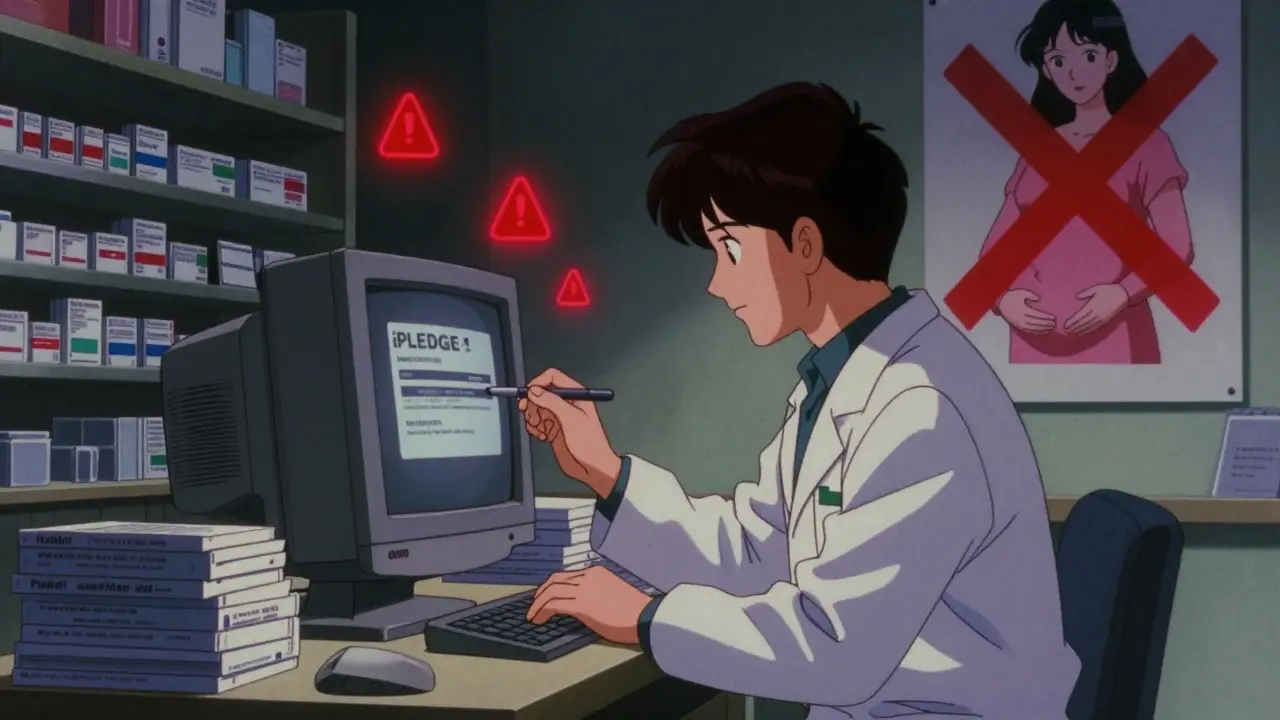
REMS Programs: Risk Evaluation and Mitigation Strategies Explained
REMS programs are FDA-mandated safety systems for high-risk drugs. They include training, registries, and special dispensing rules to prevent serious harm. Learn how they work, who they affect, and why they’re changing.
 Feb 28, 2026
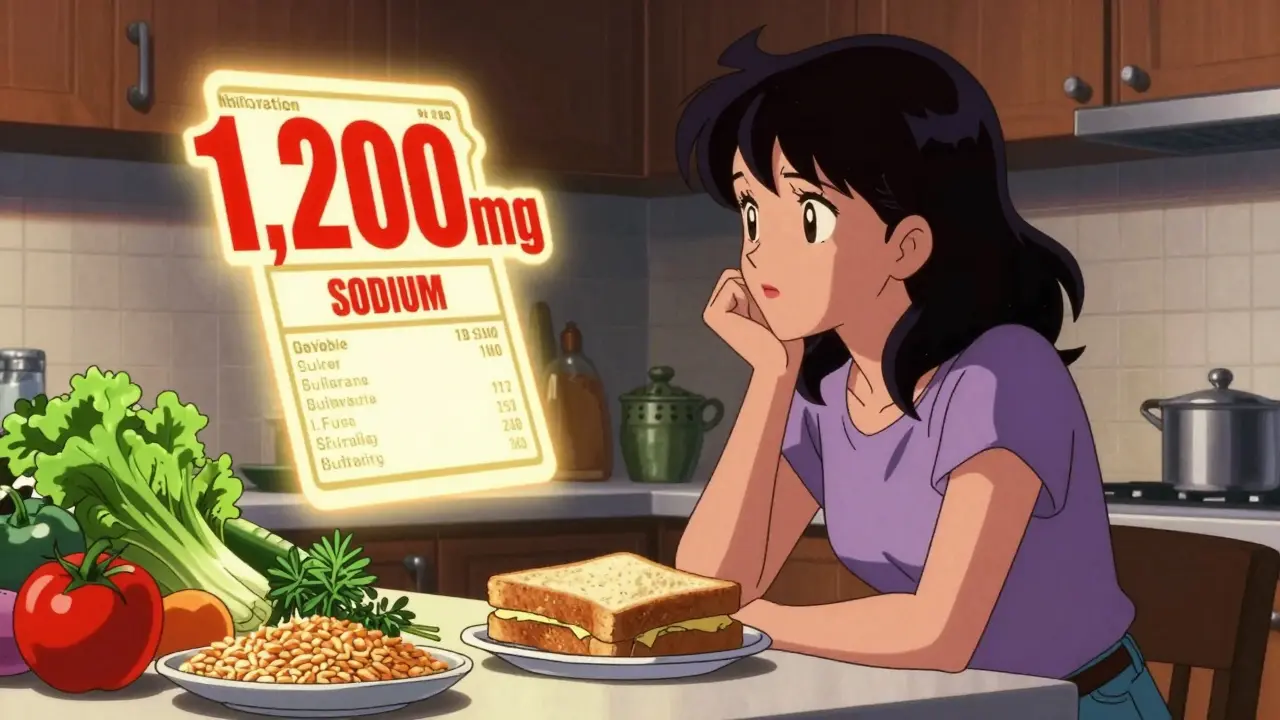
Sodium and Hypertension: Practical Ways to Lower Intake
Excess sodium raises blood pressure and increases heart disease risk. Learn practical, science-backed ways to cut sodium from processed foods, cook smarter, and lower your blood pressure-without giving up flavor.
 Feb 26, 2026
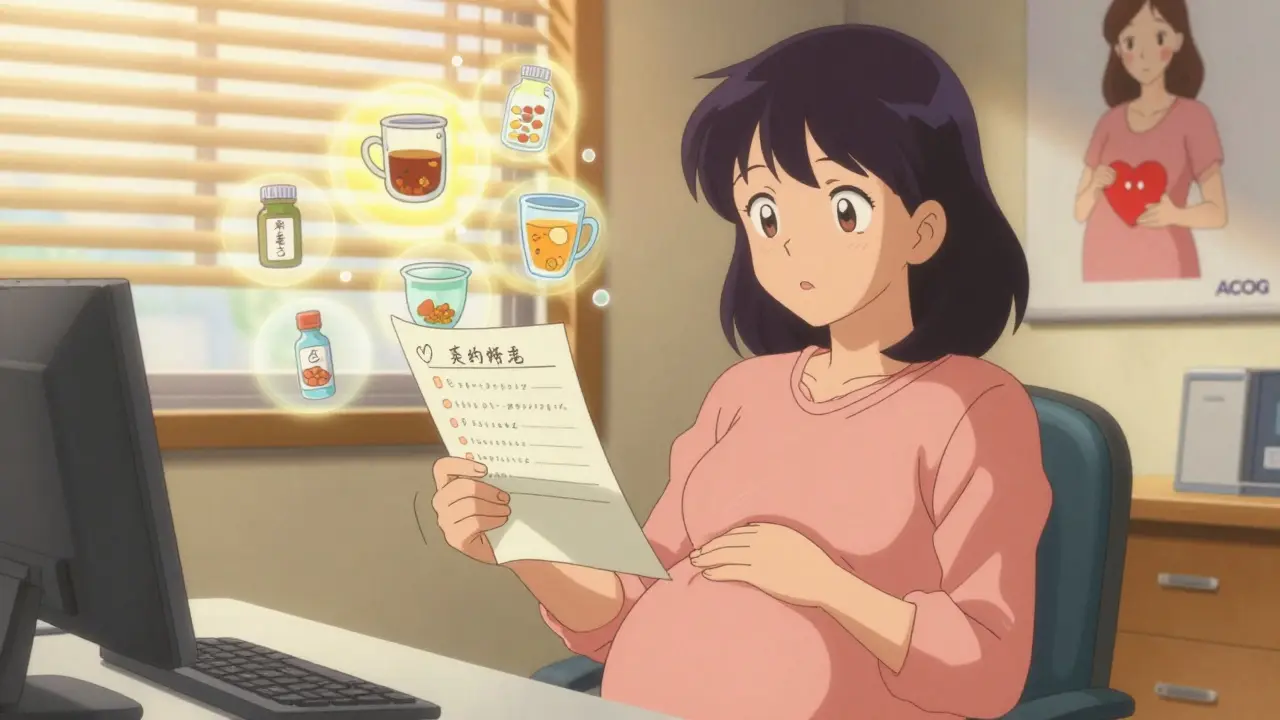
How to Prepare for and Ask the Right Questions About Medications During Your OB/GYN Visit
Learn how to prepare for your OB/GYN visit with a complete list of medications, supplements, and questions to ask about safety during pregnancy and breastfeeding. Get expert-backed tips to avoid risks and ensure the best care.
 Feb 25, 2026
Cumulative Drug Toxicity: How Side Effects Build Up Over Time
Cumulative drug toxicity is when side effects build up over time from long-term medication use - often unnoticed until serious damage occurs. Learn which drugs cause it, how to spot the signs, and how to protect yourself.
 Feb 21, 2026
How to Prevent Moisture Damage to Pills and Capsules
Moisture can ruin pills and capsules, making them ineffective or even harmful. Learn how to protect your medications using proper storage, desiccants, and coating knowledge to ensure they stay potent and safe.
 Feb 18, 2026
COPD Stages: Understanding Mild, Moderate, and Severe Progression
COPD stages range from mild to very severe, based on lung function tests like FEV1. Early detection and quitting smoking can slow progression dramatically. Learn how each stage affects daily life and what treatments actually work.
 Feb 14, 2026
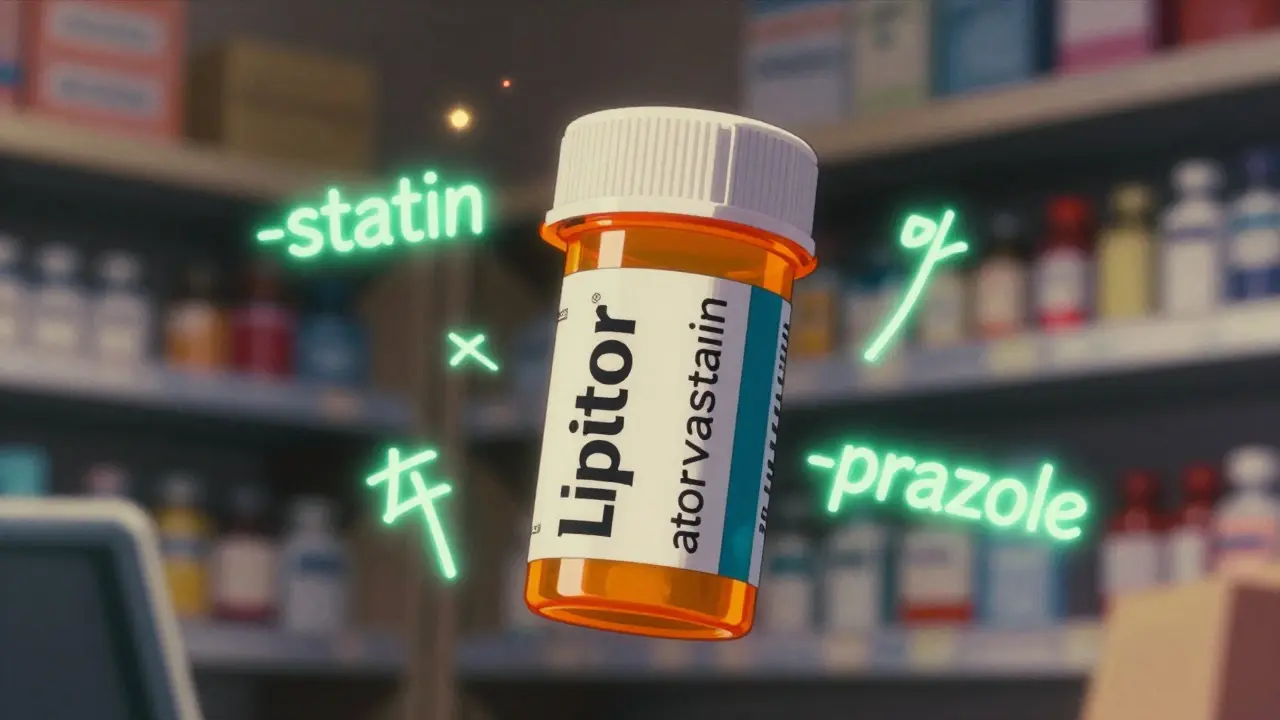
Generic Drug Naming: USAN, INN, and Brand Name Basics
USAN and INN are the two systems that give drugs their official generic names. They help prevent medication errors by using clear, consistent naming rules based on drug class. Understanding how they work can help you navigate prescriptions safely.
 Feb 12, 2026
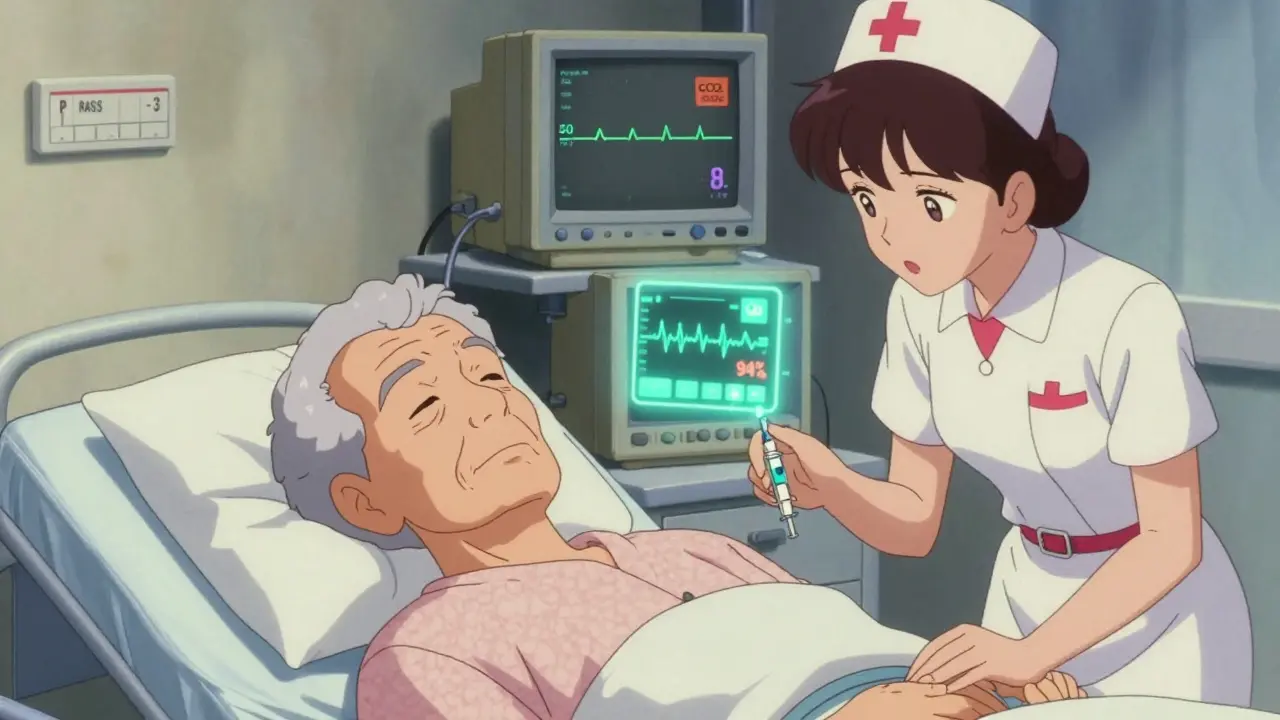
How to Monitor Seniors for Over-Sedation and Overdose Signs
Learn how to detect early signs of over-sedation and overdose in seniors using capnography, RASS scoring, and continuous vital sign monitoring. Prevent respiratory arrest with proven clinical strategies.
 Feb 11, 2026
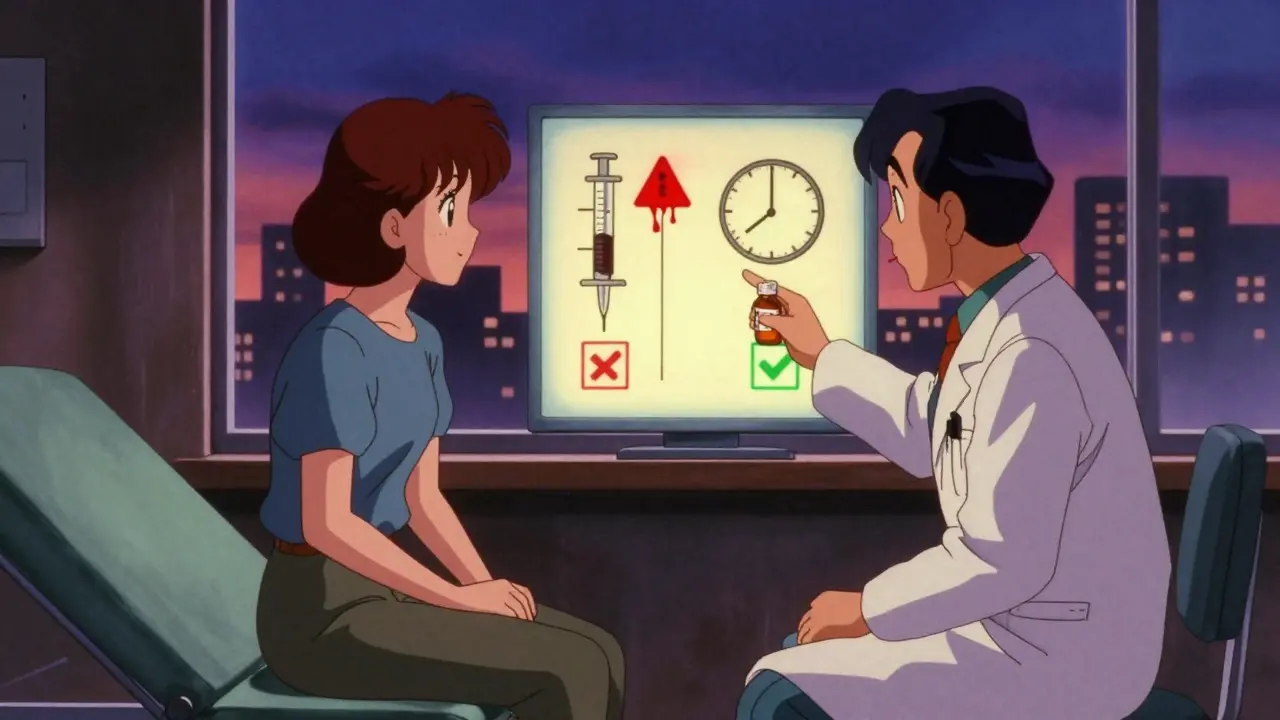
Bridging Therapy: How to Safely Switch Between Blood Thinners
Bridging therapy between blood thinners is often unnecessary and increases bleeding risk. Learn when it’s truly needed, how DOACs eliminate the need for it, and the safest way to transition between anticoagulants.
 Feb 7, 2026
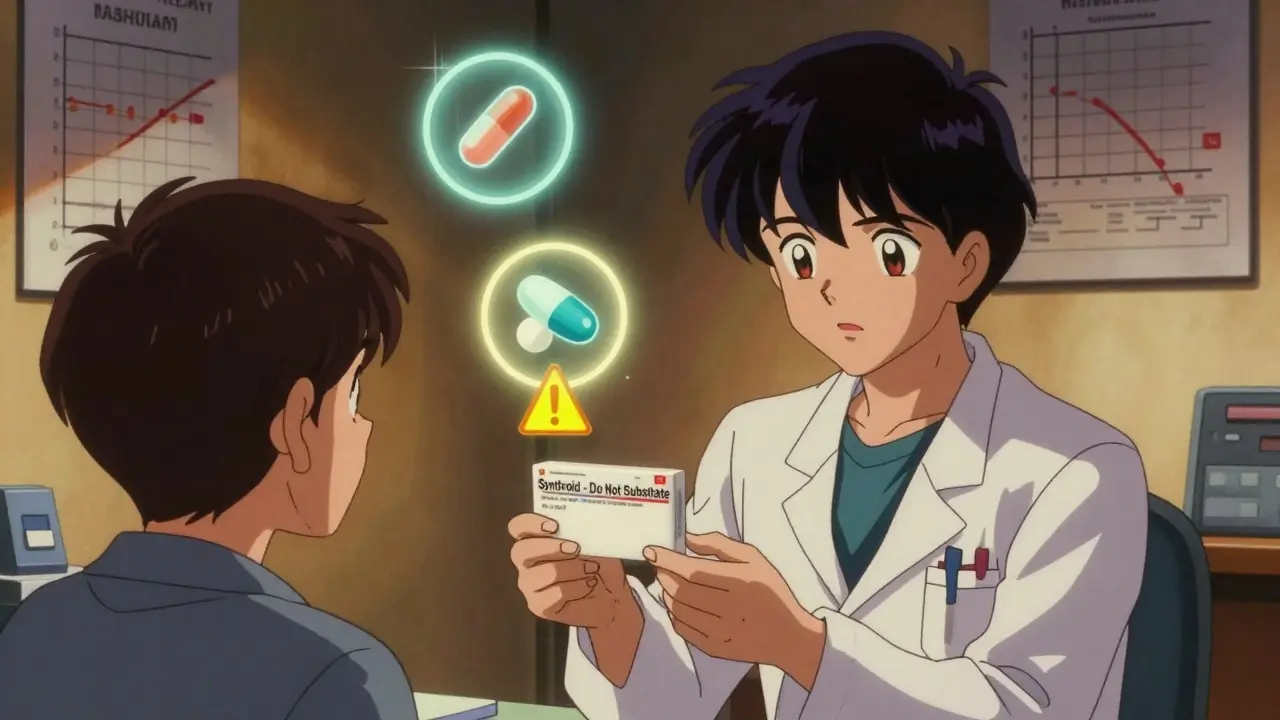
When Your Doctor Might Prescribe Brand-Name Only and Why
Doctors rarely need to prescribe brand-name drugs-but when they do, it’s usually because of a narrow therapeutic index, patient reactions, or documented failure with generics. For most medications, generics work just as well and save you hundreds a year.
 Feb 7, 2026
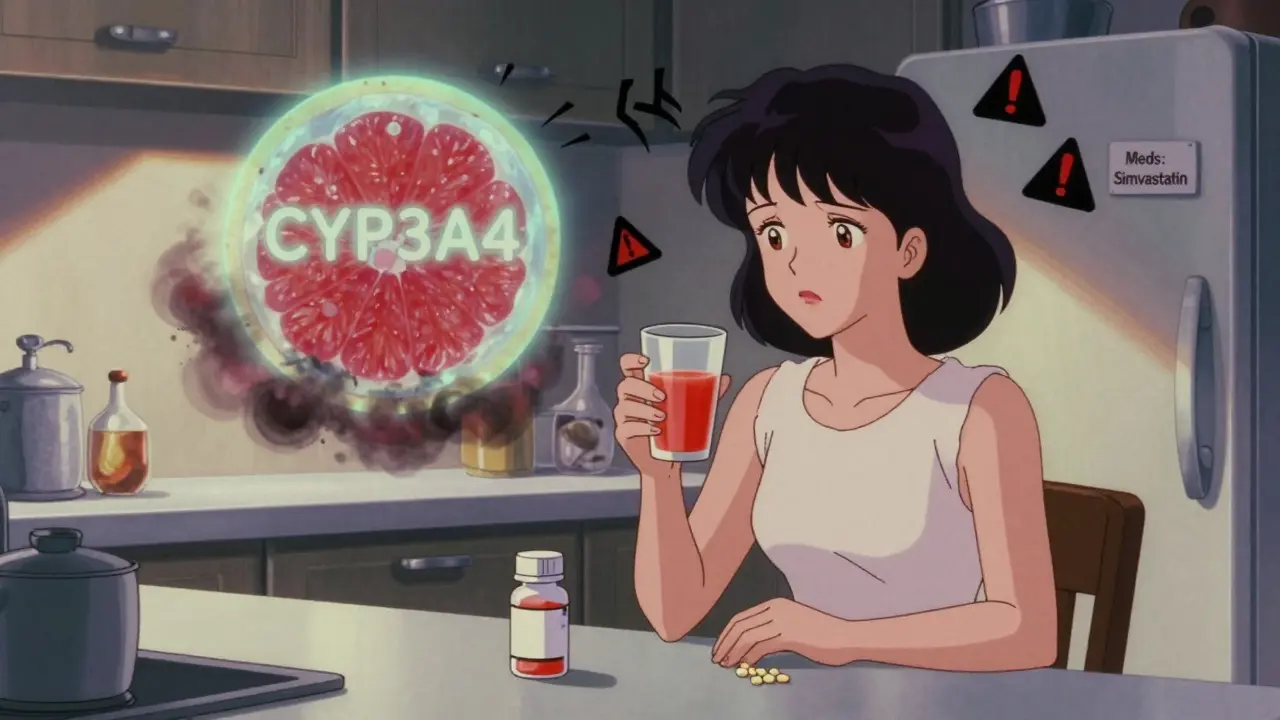
How Drug Interactions Make Medication Side Effects Worse
Drug interactions can turn mild side effects into life-threatening reactions. Learn how common combos like statins with grapefruit or warfarin with aspirin increase risks - and what you can do to stay safe.